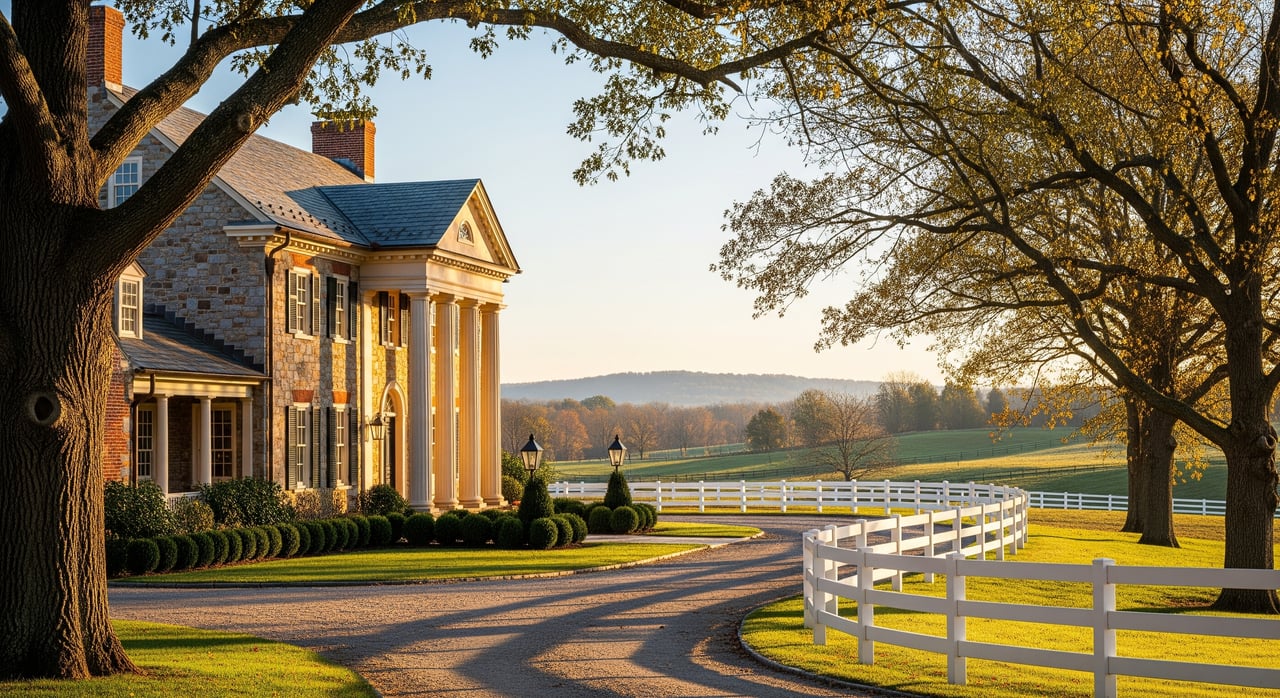
Is spring really the sweet spot to sell your horse property in Loudoun’s Hunt Country? If you are eyeing a spring launch, you are not alone, and timing your debut can be the difference between steady interest and a surge of qualified showings. Selling an equestrian or country property has unique considerations, from pasture presentation to fencing and septic documentation. In this guide, you will get a clear timeline, a prep checklist, and Hunt Country specific marketing and regulatory tips so you can list with confidence. Let’s dive in.
Loudoun seasonality at a glance
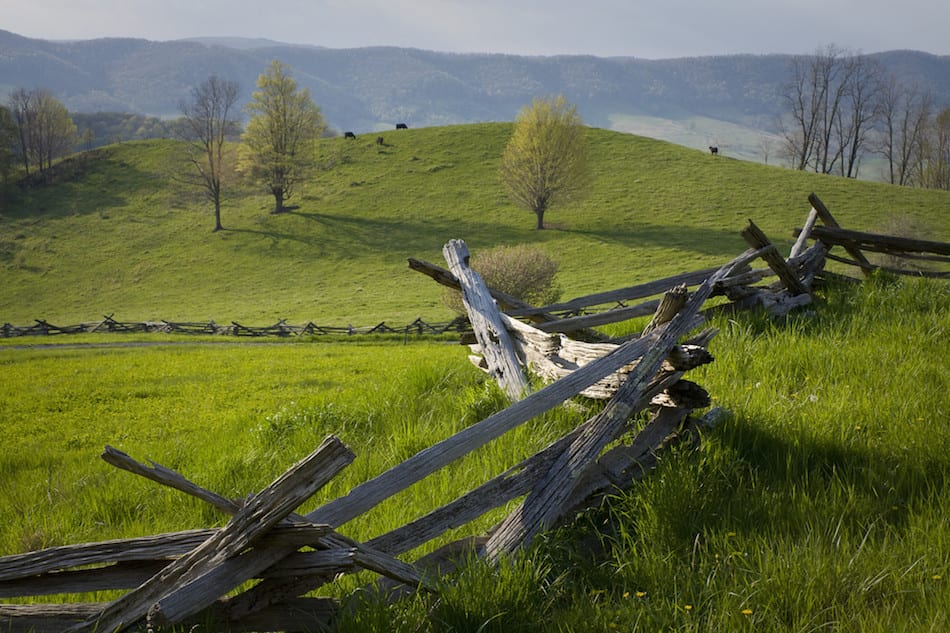
Buyer activity across the D.C. region typically builds from late winter through spring. In Hunt Country, equestrian and country buyers follow a similar rhythm with a few key twists. Spring is the prime shopping season because pastures green up, arenas thaw, and many buyers want to be settled for riding season. Early fall, especially September and October, often brings a second active window for buyers who missed spring.
Late summer can slow as vacations and haying pull focus. Winter can still work for serious buyers when there is less competition, but snow and frozen ground make it hard to evaluate drainage, pastures, and fencing. Before you set your date, confirm the latest Loudoun tempo with current Bright MLS and Northern Virginia REALTORS monthly stats.
Best months to list
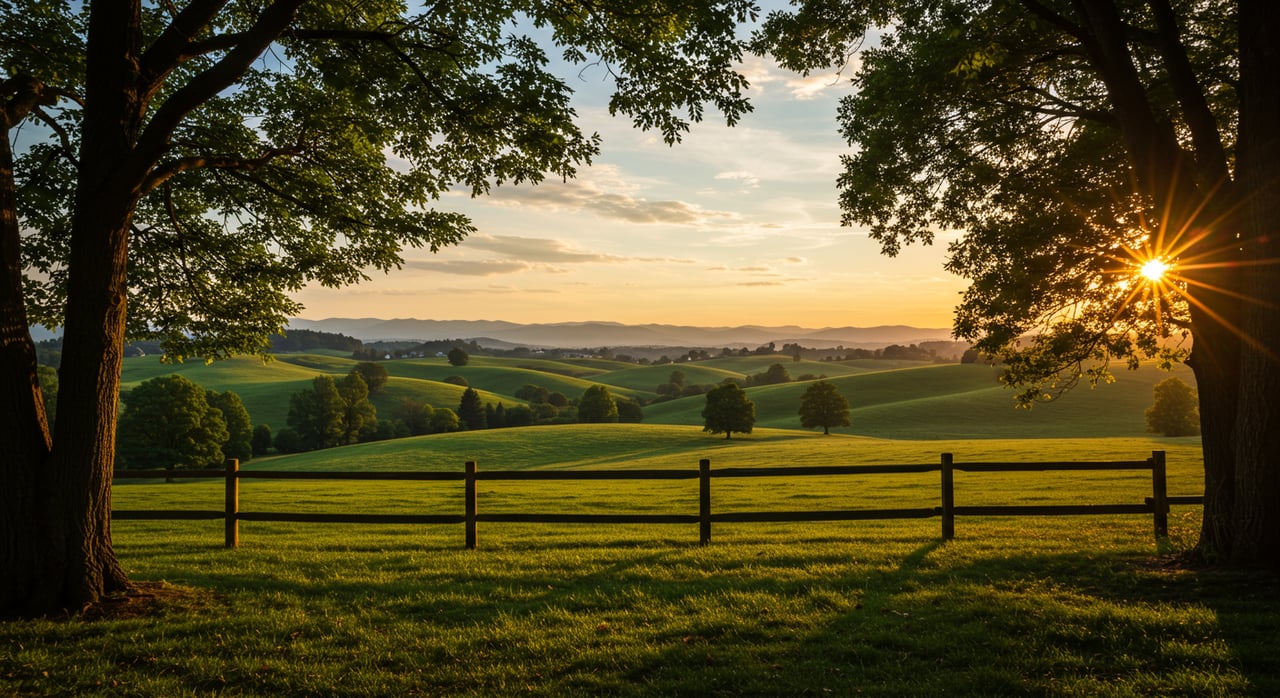
The primary window to launch in Loudoun’s Hunt Country is early March through mid May. This aligns with stronger buyer search patterns and the most attractive presentation of land and facilities. A strong secondary window runs September through October when riding conditions are still favorable and buyers remain active.
If you must list in winter, plan to include robust inspections, clear documentation, and high quality interior and barn imagery. Set an expectation to update exterior photos once the landscape greens up.
90–120 days out: inspections and repairs
Start 3 to 4 months before your target launch. This gives you time to complete repairs, secure permits, and improve pasture health.
- Order barn and fencing inspections. Prioritize structural safety, roof integrity, stall hardware, and gate function.
- Commission well yield and water quality tests plus a septic inspection. Begin remediation early if needed.
- Gather documentation: survey, prior permits and approvals, conservation easements, agricultural or land use program enrollment.
- Address pasture management. Reseed, lime, and correct drainage issues. These improvements often take weeks to show results.
- Plan larger projects like arena footing, stall upgrades, or fencing replacement. Start contractor bids and permitting now.
- Organize maintenance and service records, including vet and farrier logs and hay contracts.
45–60 days out: staging and marketing prep
With major items underway, focus on presentation and storytelling that speaks to equestrian buyers.
- Schedule professional photography for interiors, exteriors, and aerials. Time it for green pastures or late spring bloom when possible.
- Stage barns, tack rooms, and arena. Clear clutter, remove old feed bags and broken equipment, and groom paddocks.
- Create a property features sheet. Lead with equestrian metrics like usable pasture acreage, stall count and sizes, fencing type and age, water sources, and arena dimensions and footing.
- Map your buyer channels with your agent. Think local hunt clubs, equestrian groups, and regionally focused syndication in addition to standard MLS exposure.
- Consider a pre listing inspection to support buyer confidence and faster negotiations.
14–30 days out: final touches
In the final month, polish details that shape first impressions and showing flow.
- Finish fence and gate repairs. Refresh gravel at entrances and trailer parking areas.
- Mow and trim fields and riding areas. Remove visible manure piles and hay debris.
- Arrange safe logistics for animals during photos and showings. Temporarily relocating horses for photography keeps the focus on facilities.
- Establish a clear showing plan. Define parking for trucks and trailers, set barn tour routes, and outline safety rules.
Launch strategy and cadence
Aim to go live in early March through mid May for maximum exposure. If you list earlier or later, lean on high quality visuals and timely updates. Replace winter exteriors with fresh spring images as soon as the property greens up. Keep your features sheet downloadable and current so buyers have accurate technical details from day one.
Make equestrian features shine
Equestrian buyers screen for function first. Your listing should make it easy to evaluate the operation.
- Acreage and usable acreage. Note woodlots, wetlands, or floodplain that reduce usable pasture.
- Stall count and barn design. Include aisle width, ventilation, and stall type.
- Fencing. Describe materials, cross fencing, and paddock layout.
- Arena. Share size, footing type, irrigation, and maintenance routine.
- Water. Document well capacity, frost free hydrants, and trough locations.
- Septic. Confirm capacity and distance from barns and paddocks, plus drain field condition.
- Access. Show approach and turning radius for horse trailers, plus parking options.
- Proximity. Note nearby hunts, bridle paths, vets, farriers, and boarding facilities.
Professional aerials help buyers understand fencing patterns, barn and arena placement, and trailer access at a glance. Include closeups of stall interiors, tack storage, feed rooms, and wash stalls.
Documentation buyers expect
Prepared documentation builds trust and shortens contingency timelines. Assemble:
- Barn and fencing inspections with repair receipts and photo documentation.
- Well yield and water quality results, septic inspection and service history.
- Pasture assessments with notes on drainage, soil compaction, and forage management.
- Floodplain and wetlands checks and any conservation or land use program paperwork.
- Permits and approvals for barns, arenas, and accessory structures from the Loudoun County Department of Building and Development.
- Maintenance records for vet, farrier, arena grooming, and hay purchases.
Pricing for equestrian value
Price based on usable acreage and equestrian utility, not just total acres. Two properties with the same acreage can vary widely depending on pasture quality, fencing, water availability, and the quality and layout of barns and arenas. Use equestrian appropriate comps that match stall count, arena type, and fencing rather than only lot size.
Consider a market ready price that reflects verified improvements and certifications, including pre listing inspections and documented pasture upgrades. Check current Bright MLS and Northern Virginia REALTORS reports as you finalize pricing.
Marketing to the right buyers
Tell a lifestyle and operations story. Pair professional photography with short, polished drone video to show pasture flow, riding lanes, and approach for trailers.
- Lead with equestrian headlines and technical details in the first screen of your listing.
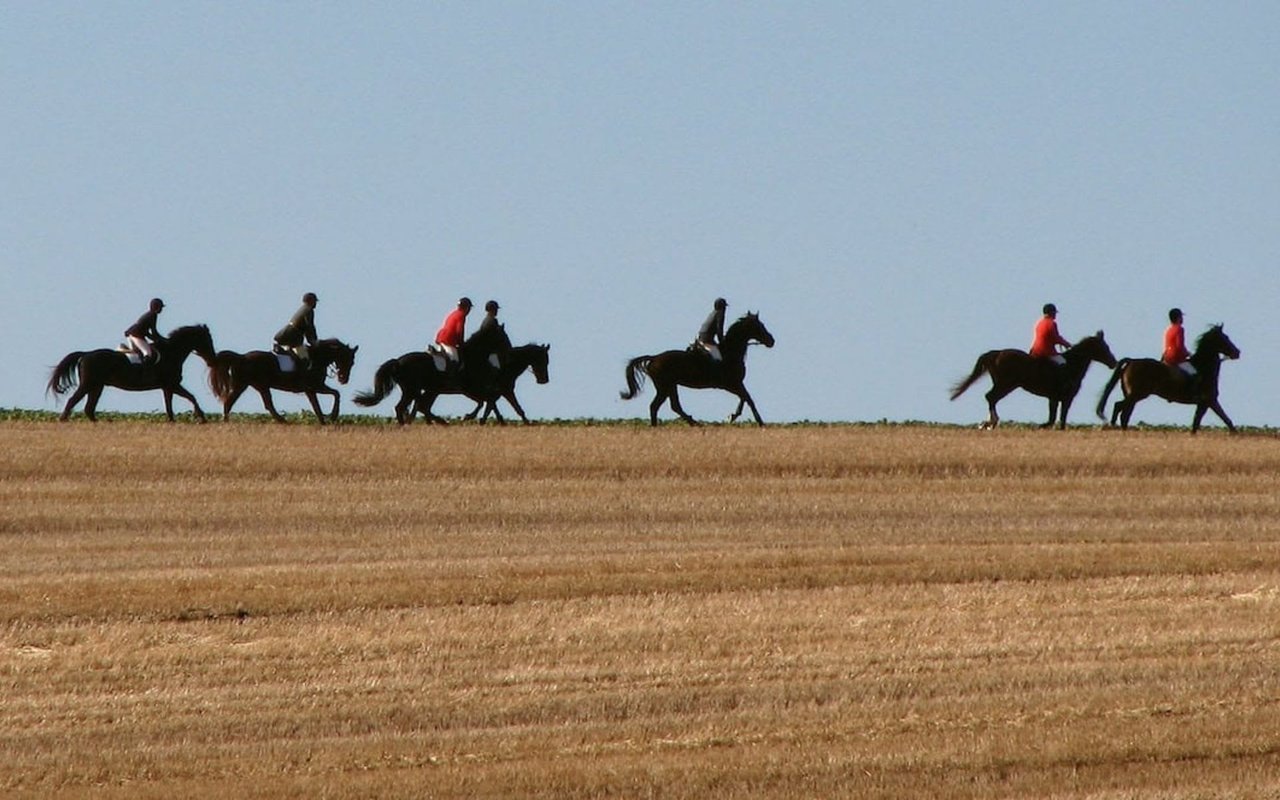
- Highlight proximity to hunt fixtures, equestrian events, large animal vets, farriers, and boarding.
- Syndicate broadly and target niche equestrian networks, including hunt clubs and regional groups, where allowed.
- Offer a downloadable property packet with well and septic specs, stall and aisle dimensions, fencing materials and age, and arena footing details.
Showing logistics and safety
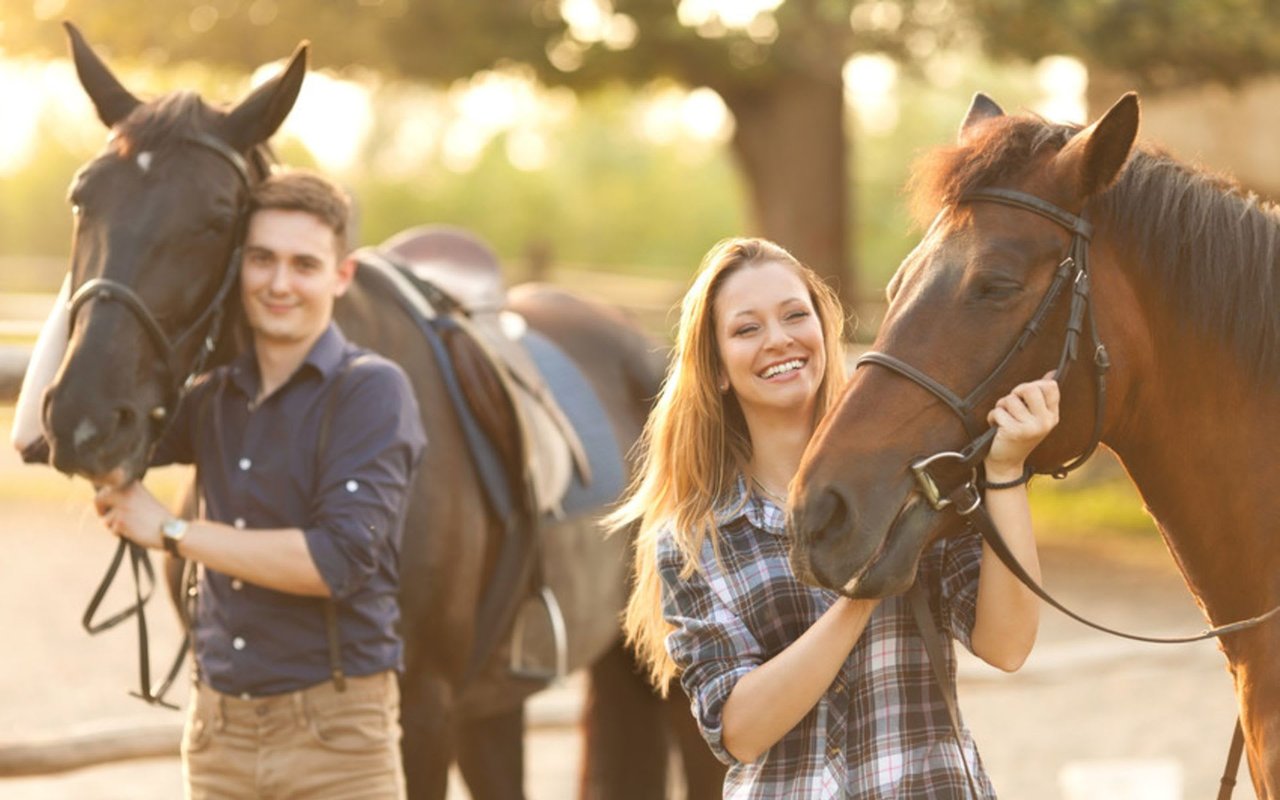
Keep showings supervised and structured. Your agent should be on site for barn tours to manage animal interactions and gate control.
- Use designated parking that accommodates trucks and trailers.
- Set clear rules for animal safety and no unsupervised access to stalls or paddocks.
- For privacy and security, consider limiting showings to pre qualified buyers and their agents.
Local rules to confirm before listing
Loudoun’s rural properties often intersect with specific zoning and land use rules. Before you launch, confirm the following with county offices and authoritative resources:
- Zoning and overlays. Verify permitted uses, accessory building rules, and subdivision constraints with the Loudoun County Department of Building and Development and the zoning office.
- Conservation easements and land use programs. Understand any sale restrictions, easement terms, and potential rollback taxes.
- Well and septic regulations. Check permit history with the Loudoun County Health Department and Building and Development.
- Floodplain and wetlands. Review FEMA mapping and any state wetland regulations.
- Pasture and soil guidance. Consult Virginia Cooperative Extension and USDA NRCS resources as you plan improvements.
Quick seller checklist
- Assemble documents: survey, permits, easements, land use enrollment, well and septic reports, maintenance and vet or farrier records.
- Repair critical barn and fence items. Confirm arena footing is safe and consistent.
- Improve approach and entrances. Refresh gravel and mark clear sight lines for trailers.
- Schedule drone and ground photography. Plan to update exteriors as foliage improves.
- Build a crisp spec sheet with equestrian metrics. Make it downloadable for buyers and agents.
- Set a safe showing plan with agent supervision and clear parking.
Final word
If you want maximum visibility and fewer days on market, aim for a launch between early March and mid May, with September and October as a strong backup window. Start your prep 3 to 4 months ahead so inspections, pasture work, and documentation are complete by photo day. When your listing showcases equestrian function and lifestyle with precision, you will attract the right buyers faster.
If you would like a tailored timeline and property specific marketing plan, connect with the team at Horse Farms & Country Homes. Our Hunt Country expertise, premium marketing, and Compass tools help country and equestrian sellers present with confidence.
FAQs
What is the best month to list a horse property in Loudoun?
- Early March through mid May is the primary window, with September and October as a strong secondary period. Confirm pace near launch with current local market stats.
How far in advance should I prepare barns and pastures?
- Begin major inspections and repairs 3 to 4 months before listing. Pasture work like reseeding and drainage fixes often needs weeks to show improvement.
Should I keep horses on site during showings?
- For photography, it is best to relocate or secure animals to keep visuals focused. For showings, use agent supervision and a clear safety plan with restricted barn access.
What documents do buyers expect for Loudoun equestrian properties?
- Expect requests for well yield and septic reports, barn and fencing inspections, stall and arena specs, fencing descriptions, surveys, permits, and any easement or land use paperwork.
Is winter a bad time to list my country property in Loudoun?
- Winter can work due to less competition and serious buyers, but frozen ground can hide pasture and drainage issues. Provide robust inspections and plan for spring exterior photo updates.