Dreaming about a stone cottage tucked into the trees or a larger estate with pasture, barns, and long views? In Fauquier County, those two paths can lead to very different buying decisions, even when both properties feel unmistakably country. If you want to buy with confidence, it helps to understand how land, zoning, easements, and rural infrastructure shape what you can actually do with a property. Let’s dive in.
Why Fauquier Feels Truly Rural
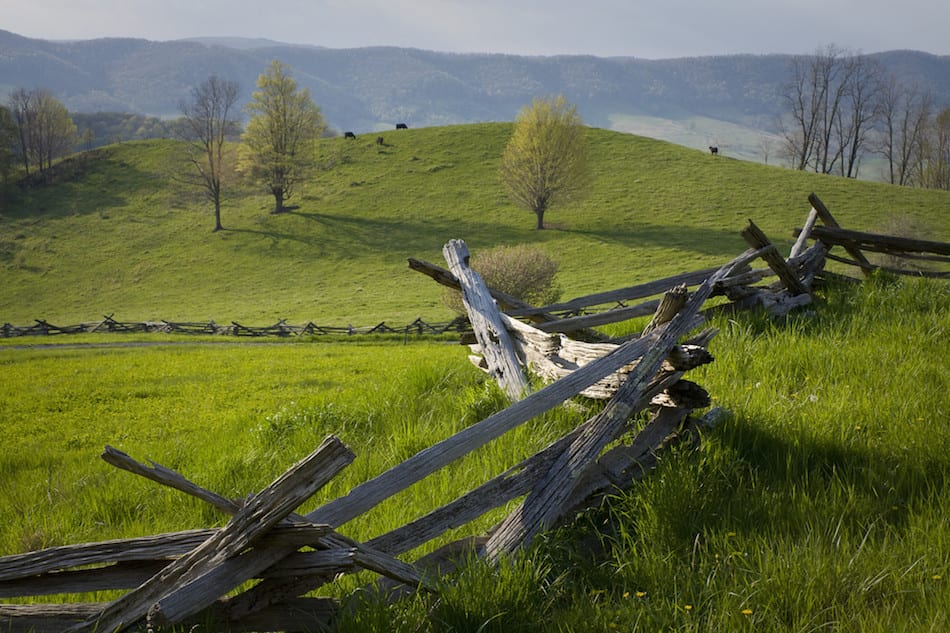
Fauquier County remains deeply rural by design. According to the county’s rural land use plan, the RA and RC zoning districts cover 90.7% of the county’s land area, with RA focused on agricultural and forestry uses and RC aimed at environmentally sensitive mountain land with very low-density residential use.
That rural character is reinforced by long-term land protection. The county says more than 25% of its land area, or about 107,000 acres, is in conservation easements or other land protection programs. For you as a buyer, that can mean lasting views, privacy, and open landscapes, but it can also mean added limits on future changes.
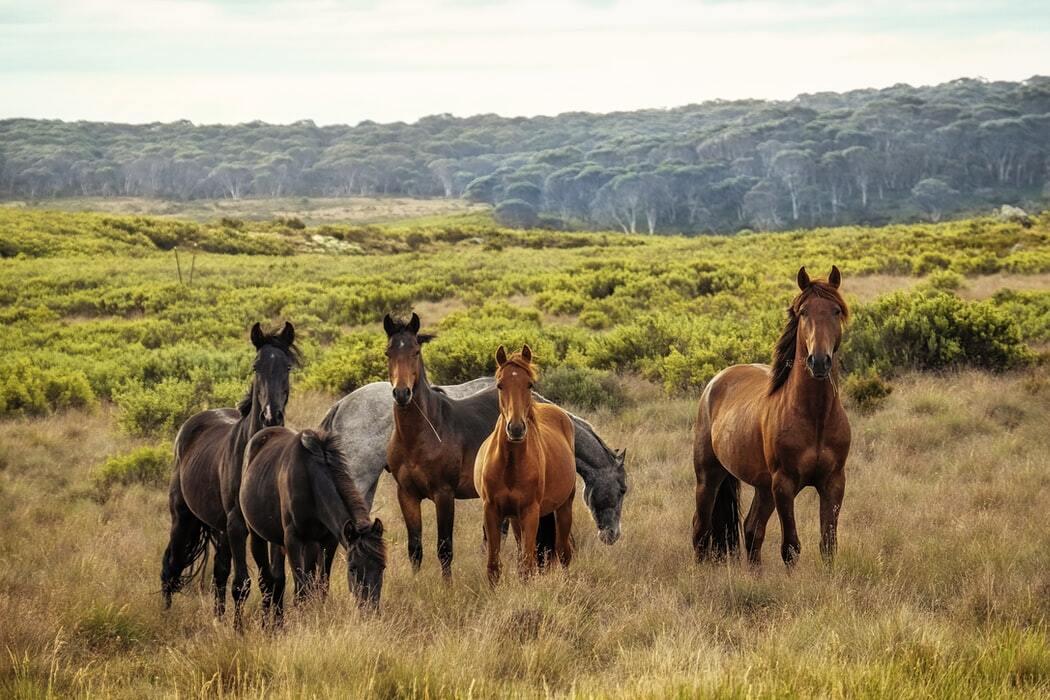
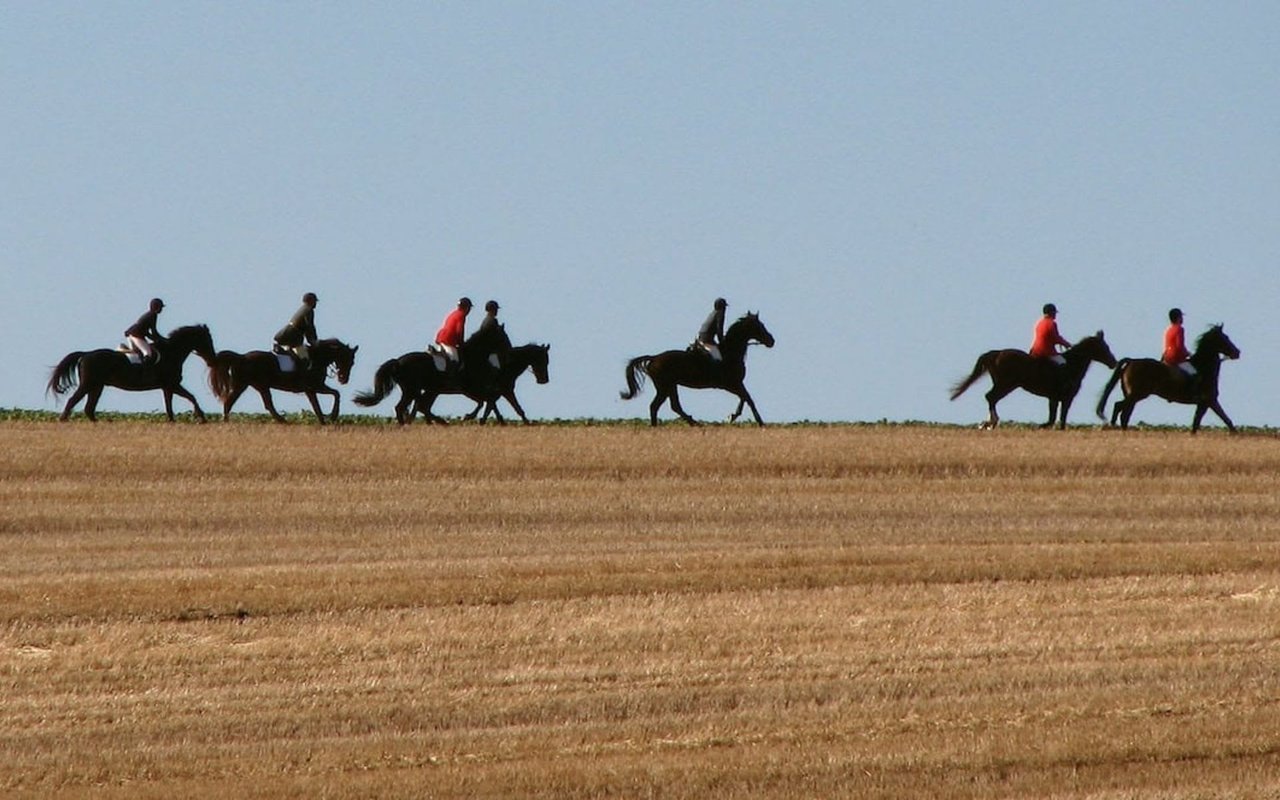
Fauquier is also a county of working land. The 2022 USDA Census of Agriculture reported 1,040 farms across 188,562 acres, with an average farm size of 181 acres. The same report counted 3,758 horses and ponies, which helps explain why equestrian use remains such a defining part of the local landscape.
Woodland matters here too. Fauquier says it contains more than 200,000 acres of forested land, which affects privacy, habitat, scenery, and how a property feels from season to season.
Country Estate vs Cottage
In Fauquier County, “country estate” and “cottage” are market descriptions, not formal zoning categories. That distinction matters because the charm of a property and the legal framework behind it are not always the same thing.
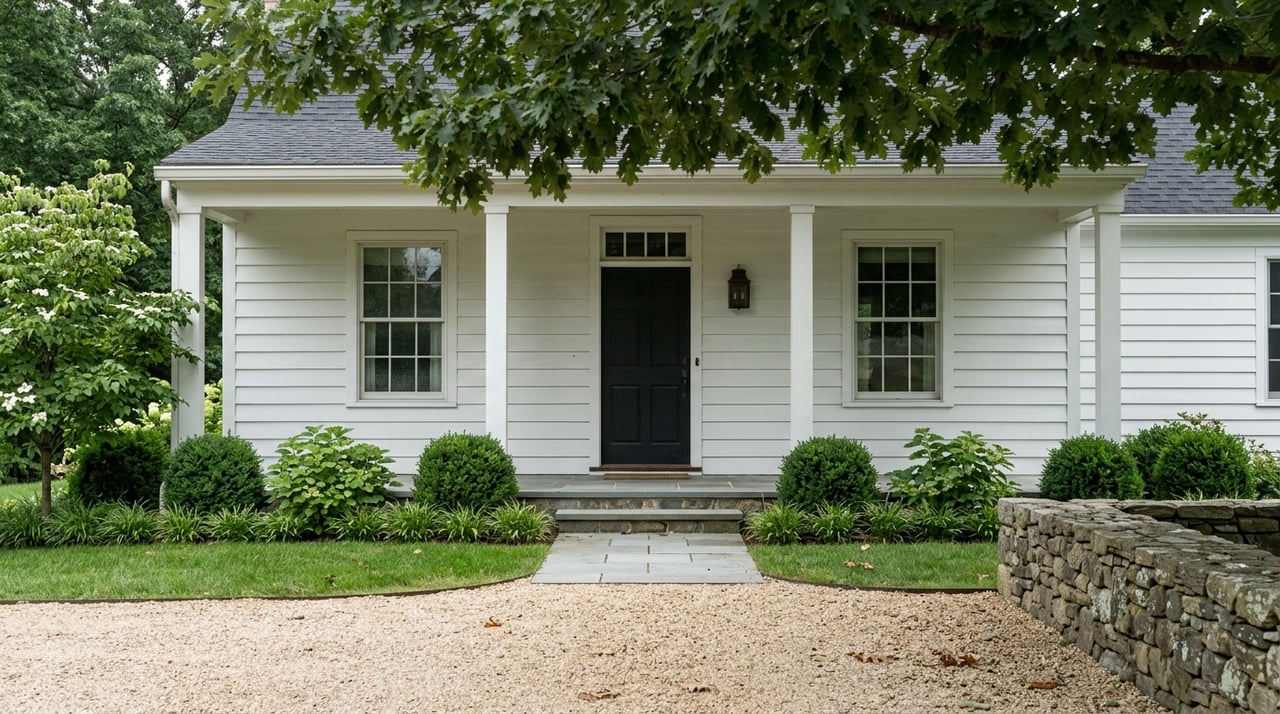
A country estate often refers to a larger rural parcel, commonly in RA or RC zoning, with a house set farther from the road and a mix of pasture, woods, barns, or other outbuildings. A cottage usually means a smaller home on fewer acres or an older home in a village or service-district setting.
The bigger question is often not the style of the house, but the structure of the land. Fauquier’s rural plan allows a wide range of parcel outcomes, from clustered development with a minimum 2-acre lot on part of a larger tract to large-lot development that can create 100-acre parcels or up to three 50-acre parcels. That means two properties with similar square footage can offer very different long-term options.
Start With the Land, Not Just the House
When you buy in Fauquier, the land often drives value and usability more than the floor plan. A beautiful house on a constrained parcel may offer less flexibility than a simpler home on land that supports your long-term plans.
As you compare properties, focus on questions like these:
- How many acres are included?
- What is the zoning designation?
- Is the land open, wooded, steep, or a mix?
- Are there existing barns, paddocks, or farm buildings?
- Is any part of the property in a floodplain?
- Could you add structures later?
- Can the parcel ever be subdivided?
- Are there recorded easements or district restrictions?
This is where experienced rural guidance matters. In country property searches, lifestyle appeal and operational fit need to line up.
Easements and Protected Land
Many buyers are drawn to Fauquier precisely because so much of it has been protected. Conservation easements and similar land protection tools can preserve scenic character and keep neighboring land from becoming more intensely developed.
At the same time, those protections can affect what you can do after closing. Fauquier notes that a property in a conservation easement, Agricultural and Forestal District, or PDR-protected setting may still offer the privacy and beauty you want, but recorded documents may restrict subdivision, timbering, additions, or certain exterior changes.
That does not automatically make a property less desirable. In many cases, it is part of the appeal. You just want to understand the tradeoff clearly before you commit.
Equestrian and Hobby-Farm Potential
If you are considering horses or a small farm setup, Fauquier is one of the places where that use feels natural. The county’s rural plan describes equine activity as a significant part of the rural economy, and current USDA data still shows a substantial horse presence.
Still, not every parcel that looks horse-friendly will function well in practice. The county highlights several practical issues that become important on smaller acreages, including manure handling, setbacks from wells and waterways, washing areas, grazing area per animal, pasture rotation, and water access points.
For you, that means a few acres can work beautifully for the right use, but only if the layout, drainage, and management plan make sense. A hobby farm or private horse property should be evaluated for day-to-day functionality, not just appearance.
Land Use Tax Considerations
Some buyers also ask about land use taxation. Fauquier’s special land use assessment requires bona fide production on at least 5 acres for agricultural or horticultural use, 20 acres for forest use, and 25 acres for open-space use.
The county also says livestock and poultry must be primarily for commercial sale, and one horse counts as one animal unit in the county’s acreage standard. If favorable tax treatment is part of your plan, confirm eligibility early rather than assuming the current setup will continue unchanged.
Agricultural and Forestal District Basics
If a property is in or may be considered for an Agricultural and Forestal District, there are additional rules to understand. Fauquier says a district must have a core of at least 200 acres, parcels under 5 acres are not eligible, and once in the district, no lot smaller than 50 acres may be subdivided except for family transfers and boundary line adjustments.
Those rules may support long-term land preservation, but they can also affect flexibility. If future division matters to you, review that issue before you finalize terms.
Due Diligence Before You Close
Rural purchases usually need deeper due diligence than a typical in-town home search. In Fauquier, that extra work can save you from expensive surprises.
The county’s zoning page is clear that zoning approval is required before any new structure is built, including agricultural buildings, and before grading, other land disturbance, or a new or changed use. If you hope to add a barn, arena, guest cottage, pool, or another outbuilding, verify that your intended use aligns with current rules.
For a new dwelling, Fauquier says the permit package requires approved well and septic permits from the Health Department or an approval letter from the public utility, plus VDOT approval or a permit for the entrance. On rural property, driveway access can be just as important as the house itself.
Virginia health guidance adds another important point. The state does not require a well inspection or water testing simply because a property is being bought or sold, though localities or lenders may require them. Fauquier-area septic and well records can be requested through Fauquier Environmental Health.
Soils, Floodplain, and Buildability
Two properties with the same acreage can perform very differently because of soils and topography. Fauquier’s soil maps are used to identify hydric soils, expansive soils, shallow bedrock, and seasonal or permanent high water tables.
Those conditions can influence septic options, excavation costs, drainage planning, foundation work, and whether wetlands review may be needed. If you are buying with plans to build, expand, or reconfigure the site, this review should happen early.
Floodplain is another factor that deserves attention. Fauquier says it has about 33,000 acres of mapped floodplain, or roughly 8% of the county’s land area.
The county also notes that standard property policies do not cover flood damage, and some banks require flood insurance. If any part of a parcel may fall in a mapped floodplain, that should be part of your cost and risk review before closing.
Subdivision and Future Plans
Many buyers think beyond today’s use. You may want a guest house later, room for family, or the option to divide land in the future.
In Fauquier, those plans need to be tested against county rules and the property’s physical conditions. The rural plan says subdivisions of 7 lots or more require central water and hydrogeologic testing, which can affect whether a parcel supports your intended future layout.
This is why recorded documents matter so much. Easements, district enrollment, zoning, and access conditions can shape the future of a property just as much as its current appearance.
Who to Contact Early
A strong rural purchase team starts gathering answers before you are fully committed. Fauquier identifies several local offices that can help buyers verify conditions.
At minimum, you should consider early contact with:
- The county zoning office
- The county soil scientist
- Fauquier Environmental Health
- The Agricultural Development Office
- VDOT
If the property is subject to an easement or district rules, Fauquier recommends reviewing those documents with an attorney and tax accountant. In country transactions, deed language and tax treatment can be just as important as the home itself.
How to Buy More Confidently
The right Fauquier County property is not always the one with the prettiest listing photos. It is the one that fits how you want to live, what you want the land to do, and what the county will allow over time.
That could be a compact cottage with manageable acreage and simple upkeep. Or it could be a larger country estate with equestrian potential, woodland, privacy, and room to steward the land for years to come.
Either way, the smartest approach is to match your lifestyle goals with careful due diligence. When you understand the land as well as the house, you put yourself in a much stronger position to buy well.
If you are considering a country estate, cottage, or equestrian property in Fauquier County, Horse Farms & Country Homes can help you evaluate the land, the lifestyle fit, and the practical details that matter before you move forward.
FAQs
What does country estate mean in Fauquier County?
- In Fauquier County, “country estate” is a market term, not a zoning category, and it usually refers to a larger rural parcel with features like pasture, woods, barns, and a house set farther from the road.
What does cottage mean in Fauquier County?
- In Fauquier County, “cottage” is typically used to describe a smaller home on a few acres or an older home in a village or service-district setting, rather than a formal legal property type.
What zoning should you check before buying Fauquier County land?
- You should confirm the property’s zoning, often RA or RC in rural areas, because zoning affects whether you can build new structures, change uses, disturb land, or pursue future improvements.
What should horse buyers review on a Fauquier County property?
- Horse buyers should review acreage, layout, manure handling, setbacks from wells and waterways, grazing space, pasture rotation, water access, and whether the site supports the intended level of animal use.
What are Fauquier County land use tax minimums?
- Fauquier County requires at least 5 acres for agricultural or horticultural use, 20 acres for forest use, and 25 acres for open-space use under its special land use assessment standards.
Should you test a well or review septic records in Fauquier County?
- Virginia does not require well inspection or water testing just because a property is sold, but localities or lenders may require them, and Fauquier-area septic and well records can be requested through Fauquier Environmental Health.
Why do soils matter when buying Fauquier County rural property?
- Soils matter because hydric soils, shallow bedrock, expansive soils, and high water tables can affect septic approval, drainage, excavation costs, foundation work, and possible wetlands review.
Can conservation easements affect a Fauquier County purchase?
- Yes, conservation easements and similar protections can limit subdivision, timbering, additions, or exterior changes, so you should read recorded documents carefully before closing.