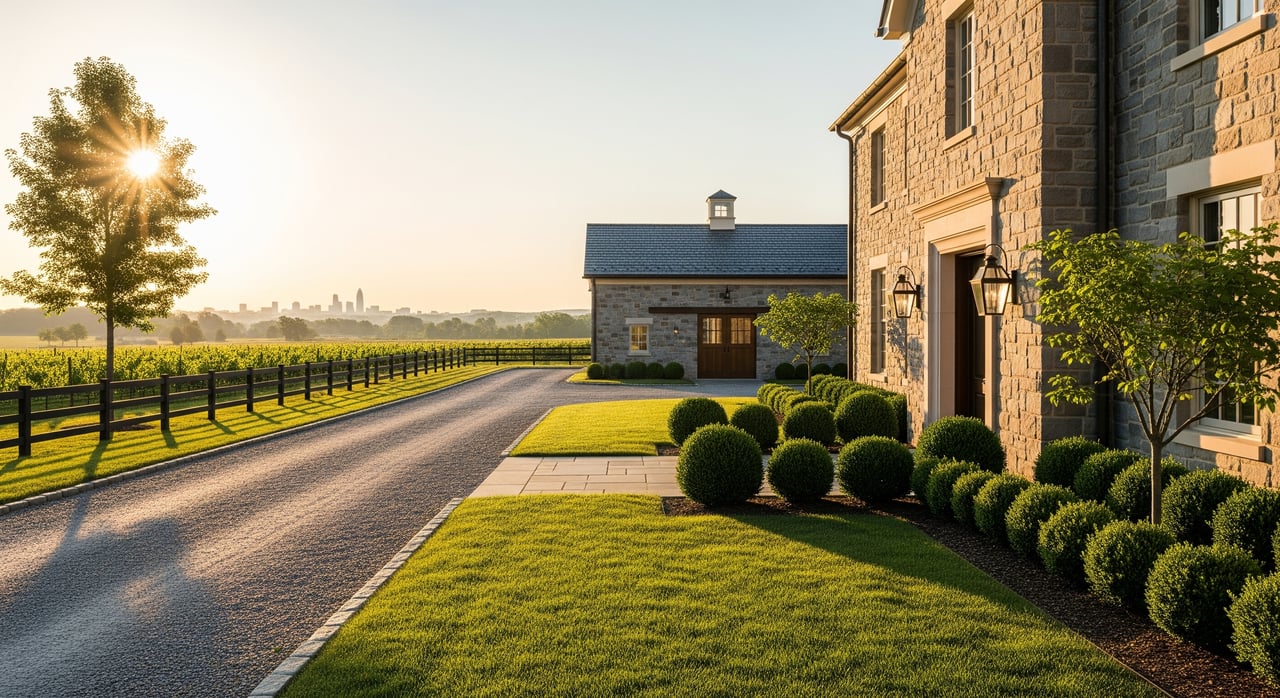
Craving acreage and sunrise pasture views but worried about the weekday drive into DC or the Dulles Corridor? You are not alone. Many buyers who love Hunt Country weigh space and serenity against commute time and predictability. In this guide, you will get a clear, realistic picture of typical routes, travel times, and transit options from western Loudoun so you can decide what fits your lifestyle. Let’s dive in.
Where Hunt Country begins
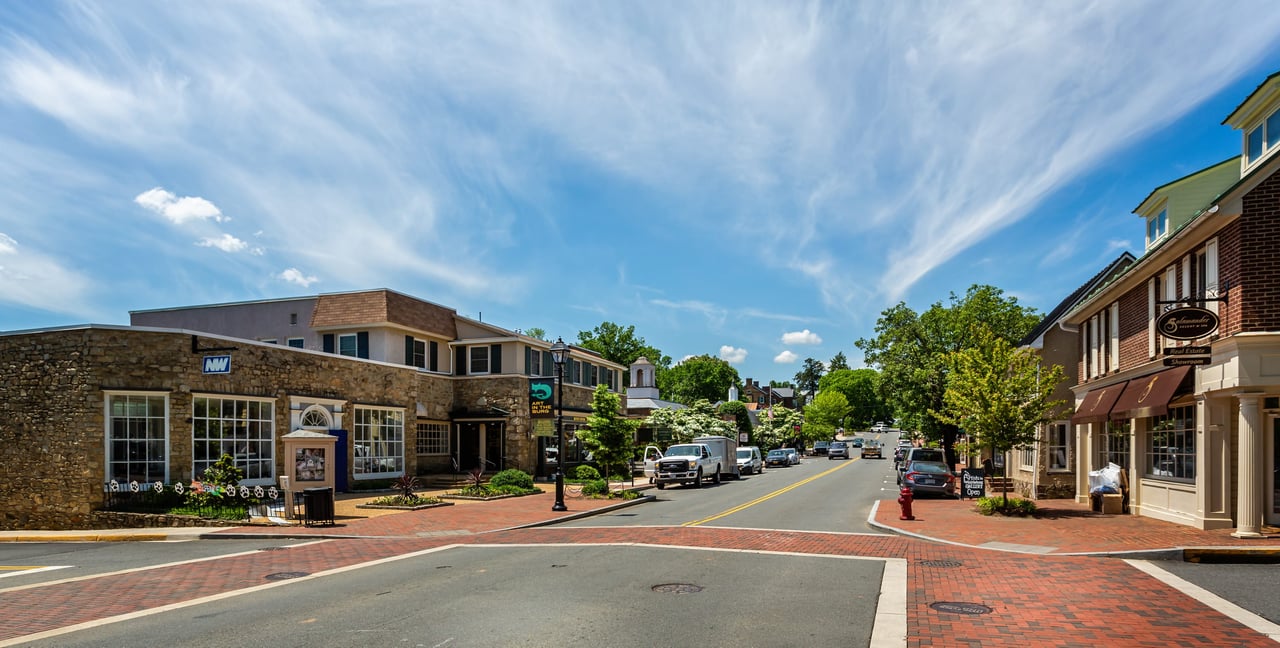
Western Loudoun includes towns like Round Hill, Purcellville, Hillsboro, Waterford, Hamilton, Lovettsville, and Bluemont. The setting is rural to rural‑suburban, with larger lots and fewer neighbors than eastern Loudoun. Daily rhythms feel quieter, and that is part of the appeal.
For commuting, roadway layout matters. Most drives funnel east in the morning and west in the evening on a limited set of corridors: VA‑7, VA‑9, the Dulles Greenway and Toll Road (VA‑267), VA‑28, and I‑66 farther south. Congestion is directional, which means timing and route choices have a big impact on your day.
Driving routes and times
Travel time varies by time of day, season, weather, and incidents. The ranges below reflect typical weekday rush‑hour conditions in the peak direction. Off‑peak can be significantly quicker.
Dulles Corridor: Reston, Herndon, Route 28
- Common routes: VA‑7 east to VA‑267 or east on VA‑7 to VA‑28 south, depending on origin. Many drivers from the Purcellville and Round Hill areas head to Leesburg and pick up the Dulles Greenway or remain on VA‑7.
- Typical AM peak: from Purcellville or Round Hill to Route 28 office parks or Dulles/Herndon is often 35 to 60+ minutes. In lighter congestion, you may see 25 to 50 minutes.
- Practical tip: Toll facilities (Greenway and Dulles Toll Road) can shave time at a cost. Some employers reimburse part of your commute. Verify before you commit.
Tysons Corner
- Common routes: VA‑7 east from Leesburg into Tysons via the Great Falls and Chain Bridge corridors or VA‑7 to I‑495, based on exact destination.
- Typical AM peak: plan for 45 to 75+ minutes at heavier peak times. Off‑peak can run 35 to 60 minutes.
- Practical tip: Tysons sees heavy inbound morning and outbound evening congestion. Some commuters park at a Silver Line station and ride Metro the last leg to avoid parking fees and traffic around the malls and corporate campuses.
Downtown Washington, D.C.
- Common routes: Two broad patterns. Many take VA‑7 east and connect to I‑66 toward DC. Others use I‑495 with the George Washington Parkway depending on the final address. A popular alternative is to drive to a Silver Line station and Metro in.
- Typical AM peak: to central DC, 60 to 90+ minutes is common from many western Loudoun origins. Incidents on I‑66 or the Beltway can stretch the trip.
- Practical tip: Driving door to door into downtown is less common among western Loudoun residents. Park‑and‑ride plus Metro often provides a more predictable arrival time.
Arlington and I‑66 corridor
- Common routes: VA‑7 east to I‑66, then east toward Arlington or south DC.
- Practical tip: Express lanes and time‑of‑day pricing on I‑66 influence both timing and cost. Build in flexibility and know your alternate exits.
Transit and park‑and‑ride strategies
Western Loudoun does not have direct heavy‑rail service, so most public‑transit commutes start with a short drive and a parking strategy. The right “hub” can make your door‑to‑desk time smoother and more predictable.
Silver Line access
- How it works: Drive to a Silver Line station in eastern Loudoun or Reston/Herndon, park, and ride into Tysons, Arlington, or downtown DC. Transfers at Rosslyn or Metro Center get you to most employment hubs.
- Stations to consider: Ashburn area stations for proximity, plus Reston or Herndon if you prefer different parking or access patterns.
- Practical tip: Some station garages fill early on weekdays. Check rules, permits, and payment methods. The rail segment is congestion‑free, which is often the most stress‑reducing part of the trip.
Virginia Railway Express (VRE)
- Access pattern: VRE does not run through western Loudoun. Many commuters who prefer commuter rail drive to stations on the Manassas Line in Fairfax or Prince William.
- Schedule fit: VRE focuses on inbound AM and outbound PM service. It works well for traditional office hours but is less flexible for off‑peak schedules. Expect a 25 to 50+ minute drive to the station from many Hunt Country addresses.
MARC commuter rail
- When it fits: MARC serves Maryland corridors into Union Station. For Loudoun residents, this means a longer initial drive into Maryland. It is used less often than Metro or VRE.
- Practical note: If your office is near Union Station and your schedule aligns, MARC can be an option, but plan the first leg carefully.
Commuter buses and shuttles
- County and private buses: Loudoun County and private operators run commuter routes to Metro stations and sometimes directly to downtown employment centers.
- Employer shuttles: Some Dulles Corridor employers run shuttles from park‑and‑ride lots or nearby housing clusters. This can simplify the last mile and reduce parking costs.
Lifestyle tradeoffs to weigh
Choosing western Loudoun usually means a tradeoff: more space and privacy for a bit more time in transit. Here is how to think about it.
Time versus space
- Expect a longer door‑to‑door time than you would have in eastern Loudoun or closer‑in suburbs. In exchange, you get acreage, quiet, and a countryside rhythm that many buyers want.
- Hybrid work changes the equation. If you are onsite fewer days per week, the weekly time cost drops fast.
Direct and indirect costs
- Direct: Fuel, tolls on the Dulles Greenway or Dulles Toll Road, I‑66 express lane charges, vehicle maintenance, and parking.
- Indirect: Time in the car can affect family schedules, school pick‑ups, and leisure. Many buyers budget both money and minutes to avoid surprises.
Reliability and weather
- Rural connectors can slow in poor weather and may take longer to clear after snow. Incidents on I‑66, VA‑7, or the Beltway can create multi‑hour delays.
- Build a contingency plan. Keep alternative routes and flexible departure times in mind.
First and last mile
- If you combine driving with rail or bus, the first and last mile matters. Think about parking availability, garage opening times, and safe access to stations.
- Some properties are many miles from the nearest hub. A reliable car is not optional.
Everyday practicality
- Map out grocery runs, medical care, service providers, and broadband options for a home office. Country properties often require planning for deliveries and snow removal.
- Many affluent buyers allocate a dedicated office and technology setup to reduce commute frequency.
Workweek scenarios that work
- Two to three remote days per week: Often the sweet spot for Hunt Country living. Your weekly commute time drops while you enjoy space and privacy.
- Compressed schedules: Four 10‑hour days or similar patterns reduce the number of peak‑hour drives.
- Daily onsite: Still doable, but plan for significant time and cost. If you must be in the office every weekday, consider eastern Loudoun or closer‑in neighborhoods.
Test the commute: a simple checklist
- Drive your likely route during real rush hours, both AM and PM, from the property you are considering to your workplace and to your preferred transit hub.
- Time multiple options: VA‑7, the Dulles Greenway and Toll Road, I‑66, and alternates to handle incidents.
- Verify employer policies: remote days, flexible hours, parking reimbursement, and shuttle options.
- Confirm station parking: capacity, permits, costs, and opening times for your chosen Silver Line or park‑and‑ride hub.
- Check internet speeds at the property to support video calls and large file transfers.
- Plan for winter: snow removal at home, access to main arteries, and whether a second vehicle is wise.
- Budget tolls and vehicle costs. Ask about pre‑tax commuter benefits.
- Talk to neighbors or any HOA about real‑world commute experiences and contractor recommendations.
Making the Hunt Country choice
If your work includes hybrid days or flexible hours, western Loudoun often delivers the best of both worlds. You gain privacy, land, and a slower daily cadence while keeping reliable access to Tysons, the Dulles Corridor, and downtown DC. The key is to choose a property with good access to your preferred corridor and to test the commute before you bid.
When you are ready to explore properties that fit your commute and your lifestyle, our boutique team is here to guide you with patient, local expertise. From equestrian facilities and country estates to cottages and land, we help you weigh operational fit, resale considerations, and commuting reality so you can buy with confidence. Connect with Horse Farms & Country Homes to start the conversation.
FAQs
How long is a Purcellville to DC rush‑hour drive?
- Plan for about 60 to 90+ minutes to central DC on a typical weekday morning. Incidents on I‑66 or the Beltway can extend the trip.
What is the fastest way to Tysons from western Loudoun?
- Most drivers use VA‑7 east from the Leesburg area into Tysons, with peak times commonly 45 to 75+ minutes. Some reduce stress by parking at a Silver Line station and riding Metro the last leg.
Is the Silver Line practical for Hunt Country commuters?
- Yes. Many drive to Ashburn, Herndon, or Reston stations, park, and take Metro into Tysons or DC for a more predictable arrival time.
Are tolls worth it on the Greenway and Toll Road?
- They often shorten travel time to the Dulles Corridor but add cost. Check employer reimbursement and compare time savings against your schedule.
Does winter weather significantly affect rural commutes?
- It can. Rural roads may take longer to clear after snow, and poor weather can add time before you reach main arteries like VA‑7 or I‑66.
Is daily onsite work realistic from western Loudoun?
- It is possible, but expect higher time and cost. Many daily onsite commuters choose eastern Loudoun or closer‑in neighborhoods for shorter drives.