Thinking about trading a closer-in address for open views, more land, and a quieter daily rhythm? If you work in or around Washington, D.C., Fauquier County can offer a very different kind of home base, one that blends country living with realistic access to the wider metro area. Below, you’ll get a practical look at commute patterns, town options, lifestyle benefits, and what makes Fauquier especially appealing for professionals who want more space without losing touch with the region. Let’s dive in.
Why Fauquier Appeals to DC Professionals
Fauquier County sits in Virginia’s north-central Piedmont and is part of the Washington, D.C. metro area. According to the county’s 2024 community profile, it had an estimated population of 75,865 spread across nearly 648 square miles, which works out to about 112.6 people per square mile. That lower-density pattern helps explain why Fauquier feels meaningfully more rural than many closer-in suburban markets.
The housing profile also supports that country-living appeal. In 2020 to 2024, 78.8% of occupied housing units in Fauquier were owner-occupied, and the median owner-occupied home value was $573,700, according to Fauquier County’s demographic report. For many buyers, that points to a market centered on long-term ownership and lifestyle fit rather than high-turnover density.
Fauquier is not simply a scenic weekend backdrop. The U.S. Census QuickFacts for Fauquier County show that 41.7% of adults age 25 and older hold a bachelor’s degree or higher, and 67.1% of residents age 16 and older are in the civilian labor force. In other words, many people who choose Fauquier are balancing professional careers with a preference for more room, more privacy, and a stronger connection to the landscape.
What Country Living Really Means Here
One of Fauquier’s biggest advantages is variety. By 2020, about 15% of residents lived in incorporated towns, 38% lived in service districts, and 47% lived in rural lands, based on county reporting. That mix means your experience can range from town-centered convenience to a more tucked-away country setting, depending on what you want from your next move.
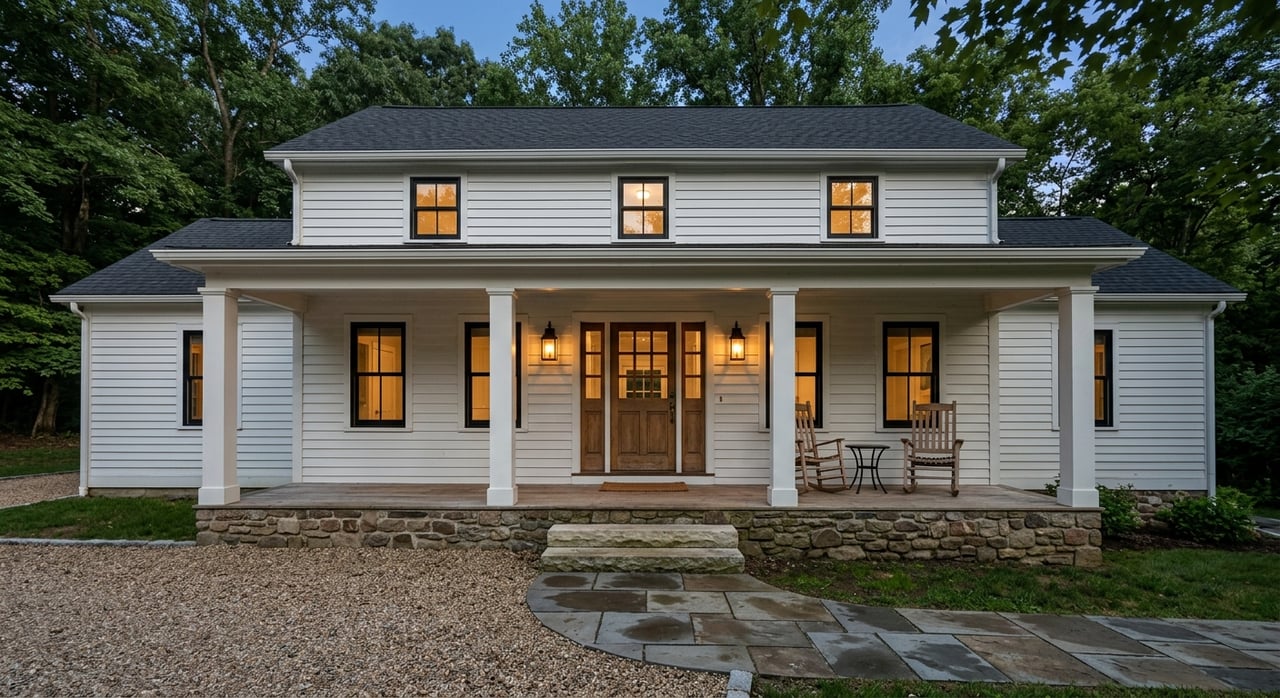
If you are coming from D.C. or nearby job centers, that flexibility matters. You may want a property with acreage, a cottage feel, room for horses, or simply enough space to work from home comfortably while still staying connected to shopping and services. Fauquier gives you more than one path to that lifestyle.
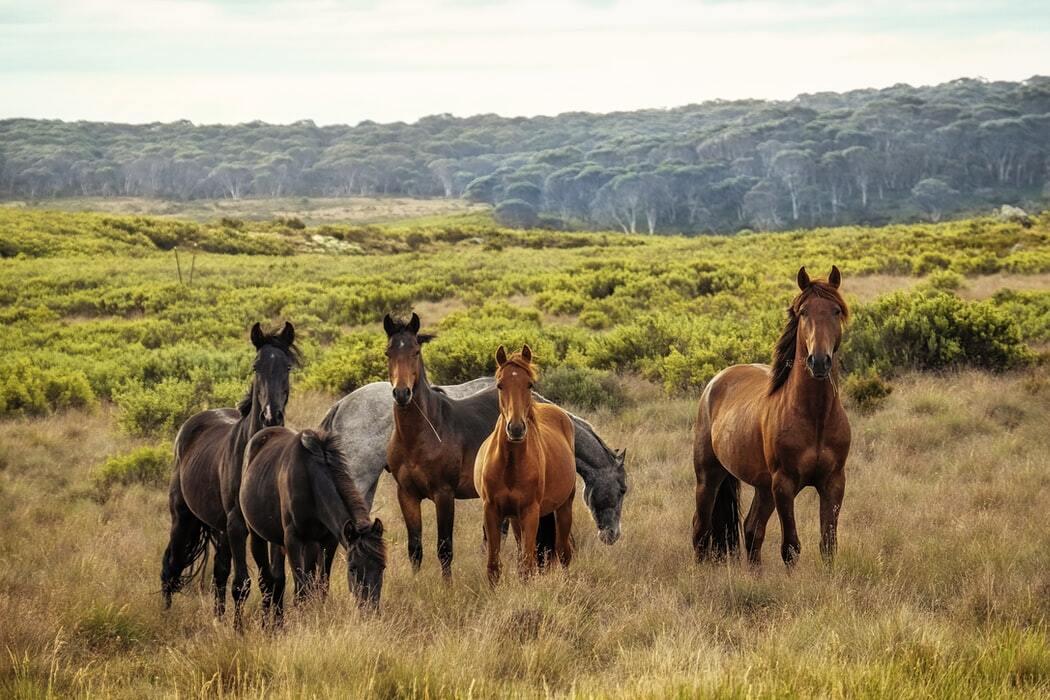
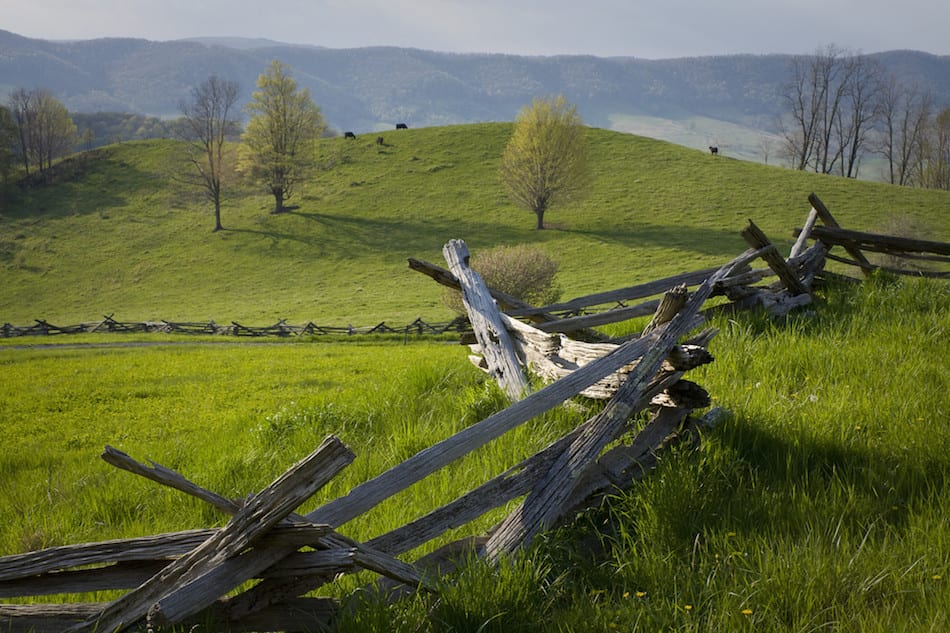
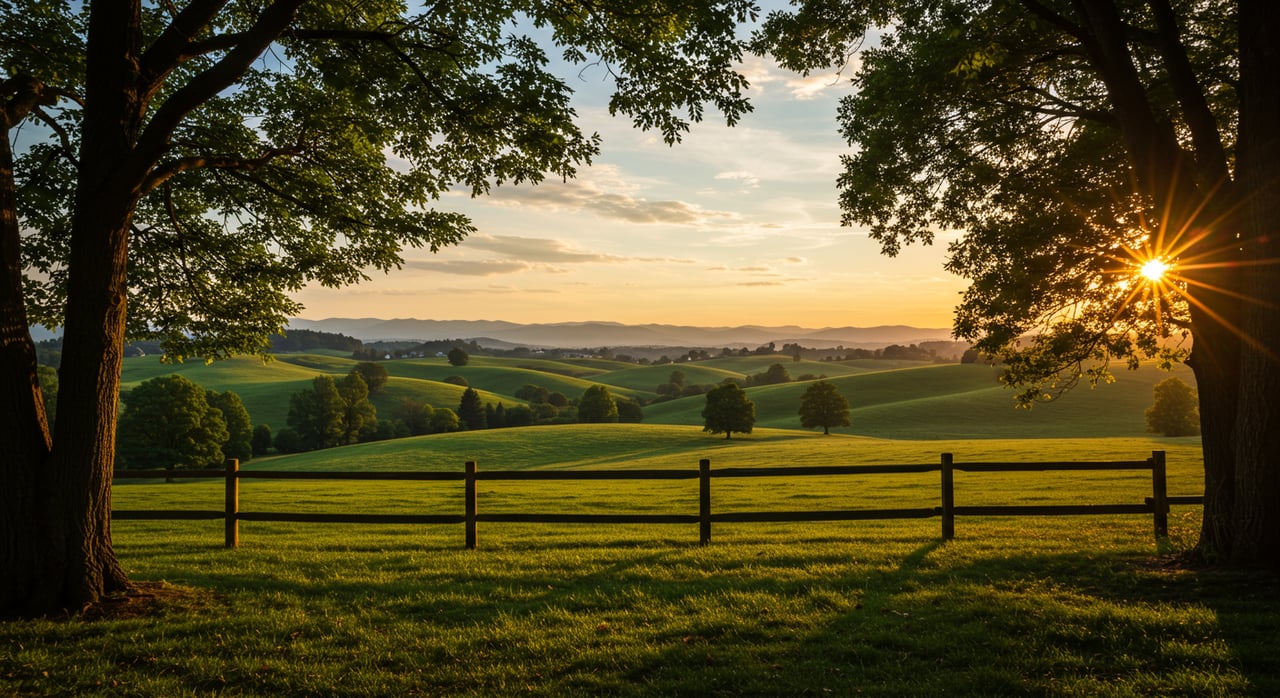
For buyers drawn to Virginia’s Hunt Country character, this is also a market where the setting is part of the value. Rolling land, board fencing, vineyards, equestrian properties, and small-town centers all shape the local identity. That is a major reason professionals and relocators continue to look west when they want a home that feels like a retreat, not just a place to sleep between workdays.
Commuting From Fauquier to the DC Region
The honest answer is that Fauquier offers a tradeoff. You are gaining space and a country setting, but you are also accepting a more car-oriented lifestyle than you would in many inner-ring suburbs.
The Census QuickFacts data lists Fauquier’s mean travel time to work at 35.8 minutes in 2020 to 2024. The county’s own report placed the average at 38.7 minutes in 2021, which was above both Virginia and Washington metro averages. More than half of resident workers drove 25 or more miles one way in 2021, and 78.9% of residents commuted outside the county for work.
Top work destinations included Fairfax County, Prince William County, and Loudoun County. The same county report also found that 82.5% of workers used personal automobiles and about 92% of those drove alone. So if your job requires daily travel, it is smart to think through your route, your flexibility, and how often you truly need to be in the office.
That said, hybrid work has changed the equation for many buyers. The county reported that 14.2% of workers were working from home in 2022, and 92.3% of households had a broadband subscription in 2020 to 2024. Fauquier has also highlighted an accelerated fiber expansion project intended to reach roughly 10,000 previously unserved locations. For professionals who commute a few days a week instead of five, Fauquier may feel far more practical than it would have in an earlier era.
How Far Is Fauquier From Washington?
For many readers, this is the first question. Fauquier County is generally described as about 40 miles west of Washington, D.C., and the county seat of Warrenton is about 45 miles southwest of the city, according to Visit Fauquier and the Town of Warrenton community profile.
Those numbers matter, but day-to-day experience matters more. A map distance may sound manageable, yet your actual routine will depend on where in Fauquier you live, where you work, and how often you need to make the trip. Buyers who thrive here tend to be the ones who value what they gain at home enough to make peace with the drive.
Warrenton vs. The Plains
If you are starting your search, Warrenton and The Plains offer two very different entry points into Fauquier County living.
Warrenton for Convenience
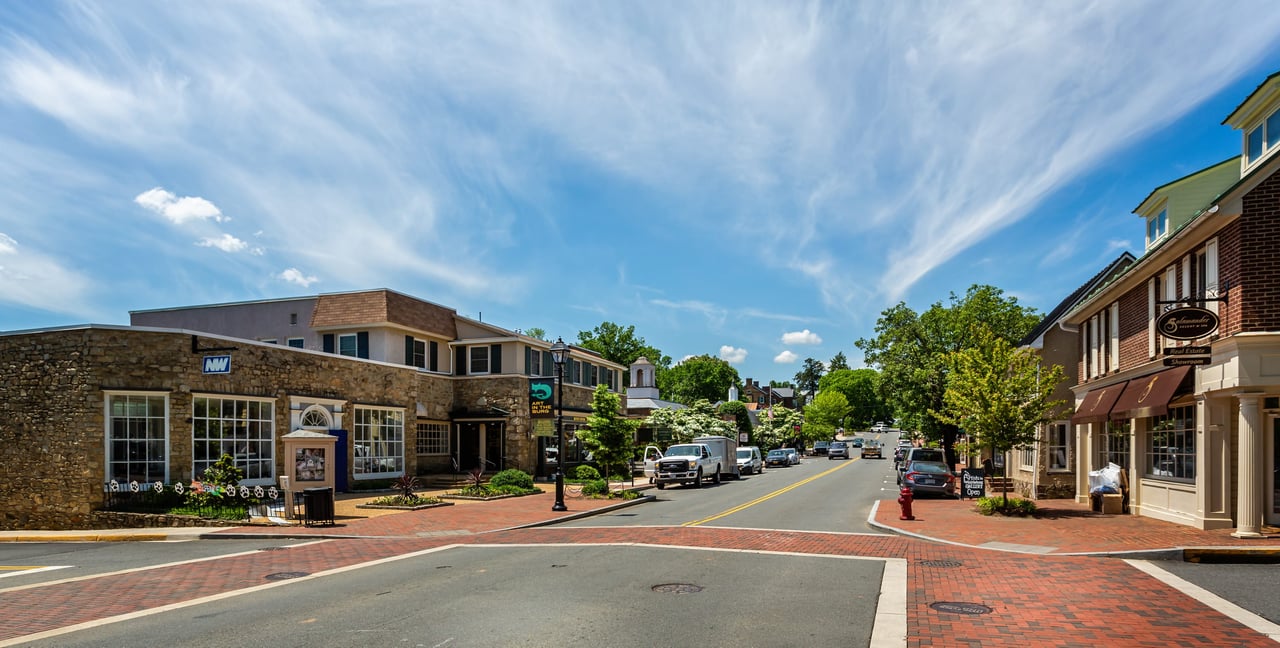
Warrenton is the county seat and the largest town in Fauquier. The town profile lists a 2020 population of 10,057 and a land area of 4.7 square miles. It serves as a practical hub for daily needs while still keeping you connected to the county’s rural character.
The Warrenton community profile and Visit Fauquier tourism materials highlight Old Town, shopping, vineyards, and horse country, along with access to the capital region within roughly an hour’s drive. If you want a country lifestyle with easier access to services and a more town-centered feel, Warrenton is often the logical place to begin.
The Plains for Village Scale
The Plains is much smaller, with a 2020 population of 245 according to county data. Visit Fauquier’s guide to The Plains describes it as a northern Fauquier town surrounded by horse farms and shaped by equestrian tradition.
For many D.C.-area professionals, The Plains feels more like a true retreat. The pace is slower, the setting is more village-like, and the surrounding landscape strongly reflects Hunt Country identity. If your priority is atmosphere, open land, and a deep connection to horse country, The Plains may be the better fit.
Lifestyle Benefits Beyond the House
Country living in Fauquier is not only about the home itself. It is also about what surrounds you once the workday ends.
Fauquier’s identity is closely tied to horse country and wine country. The county’s tourism website notes that the area is about 40 miles west of Washington, D.C. and promotes 24 wineries, while local tourism materials emphasize the Blue Ridge foothills, vineyards, and scenic rural roads. For buyers looking for a lifestyle change, those details are not extras. They are part of the daily experience.
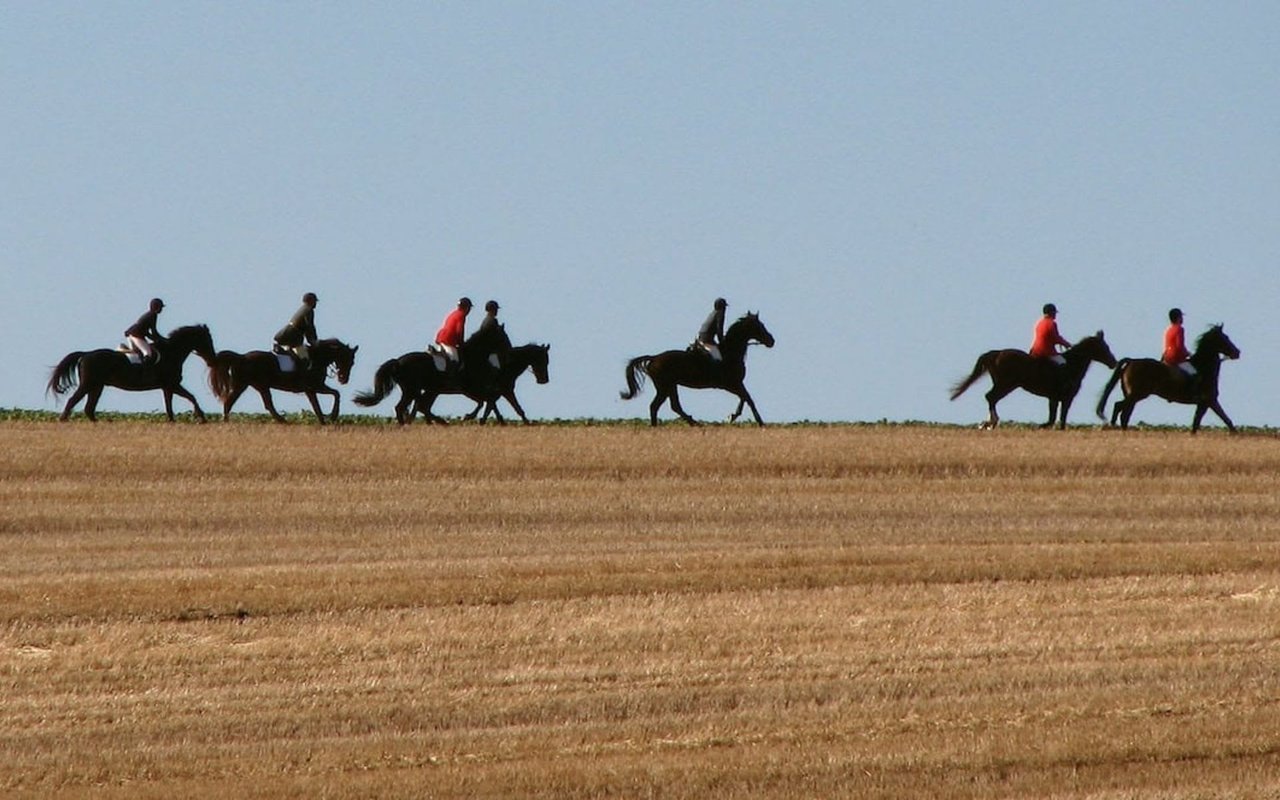
The equestrian influence is especially visible in and around The Plains. Great Meadow is a 374-acre equestrian event park created to preserve open space and support equestrian sport. It hosts well-known events such as the Virginia Gold Cup, International Gold Cup, Twilight Polo, and other recurring gatherings that give the county a strong sense of place.
For everyday recreation, Fauquier also offers practical options close to home. The Warrenton Branch Greenway is 2.22 miles long, ADA accessible, and was designated a National Recreation Trail in 2012. Nearby, Sky Meadows State Park offers 10.5 miles of bridle trails, 22 miles of hiking trails, 9 miles of bike trails, and access to the Appalachian Trail. If your version of balance includes walking, riding, hiking, or simply spending more time outdoors, Fauquier delivers that in a tangible way.
Is Fauquier Best for Hybrid Buyers?
For many professionals, the answer is yes. The county’s commuting patterns show that residents have long balanced local life with jobs outside the county, but today’s work flexibility makes that balance easier for some households.
If you work remotely full-time or on a hybrid schedule, you may be able to enjoy the benefits of a larger property, a quieter setting, and stronger privacy without facing a daily long drive. Broadband access, expanding fiber infrastructure, and an established base of professional residents all support that possibility. Fauquier is not a one-size-fits-all answer, but it can be a strong fit if you value land, scenery, and breathing room more than a short commute every single day.
It can also be a compelling choice if you want a weekend-retreat atmosphere that still works as a primary residence. That is especially true for buyers interested in country estates, cottages, acreage, or equestrian properties where the land is part of the lifestyle.
What to Consider Before You Move
Before making a move to Fauquier County, it helps to think through your non-negotiables clearly.
Ask yourself:
- How many days each week do you need to be in the office?
- Are you comfortable with a mostly car-based routine?
- Do you want town convenience, village scale, or a more rural setting?
- Is outdoor access, acreage, or equestrian potential part of your long-term plan?
- Do you want a home that feels like a retreat at the end of the workday?
The right answer is personal. Some buyers want Warrenton for its balance of convenience and character. Others want The Plains or surrounding rural areas for a stronger sense of escape. The key is finding the version of country living that fits your real routine, not just your wish list.
Finding the Right Fit in Fauquier
A move from the D.C. area to Fauquier County is often about more than changing addresses. It is about choosing a different pace, a different relationship to land, and a home environment that supports how you want to live. Whether you are searching for a refined country home, acreage, or an equestrian property with true operational potential, local context matters.
That is where experienced guidance can make a real difference. Horse Farms & Country Homes helps buyers and sellers navigate Hunt Country and Northern Virginia rural real estate with a high-touch, informed approach rooted in local knowledge and lifestyle fit.
FAQs
How far is Fauquier County from Washington, DC?
- Fauquier County is generally about 40 miles west of Washington, D.C., and Warrenton is about 45 miles southwest of the city, according to Visit Fauquier and the Town of Warrenton.
Is commuting from Fauquier County realistic for DC professionals?
- It can be, especially for hybrid workers. Fauquier’s mean travel time to work was 35.8 minutes in 2020 to 2024, but many residents commute outside the county and more than half drove 25 or more miles one way in 2021.
What is living in Warrenton like for DC-area buyers?
- Warrenton offers a more town-centered experience with daily conveniences, Old Town amenities, and access to the broader rural character of Fauquier County.
What is living in The Plains like for DC-area buyers?
- The Plains is a much smaller town with a village feel, strong equestrian identity, and a setting surrounded by horse farms that appeals to buyers seeking a more retreat-like atmosphere.
Is Fauquier County a good fit for remote or hybrid work?
- Fauquier can be a strong option for remote or hybrid professionals because 92.3% of households had a broadband subscription in 2020 to 2024, and the county has also supported fiber expansion to reach more unserved locations.
What lifestyle benefits does Fauquier County offer beyond housing?
- Fauquier offers access to horse country, 24 wineries, equestrian events at Great Meadow, the Warrenton Branch Greenway, and outdoor recreation such as hiking, biking, horseback riding, and trail access near Sky Meadows State Park.