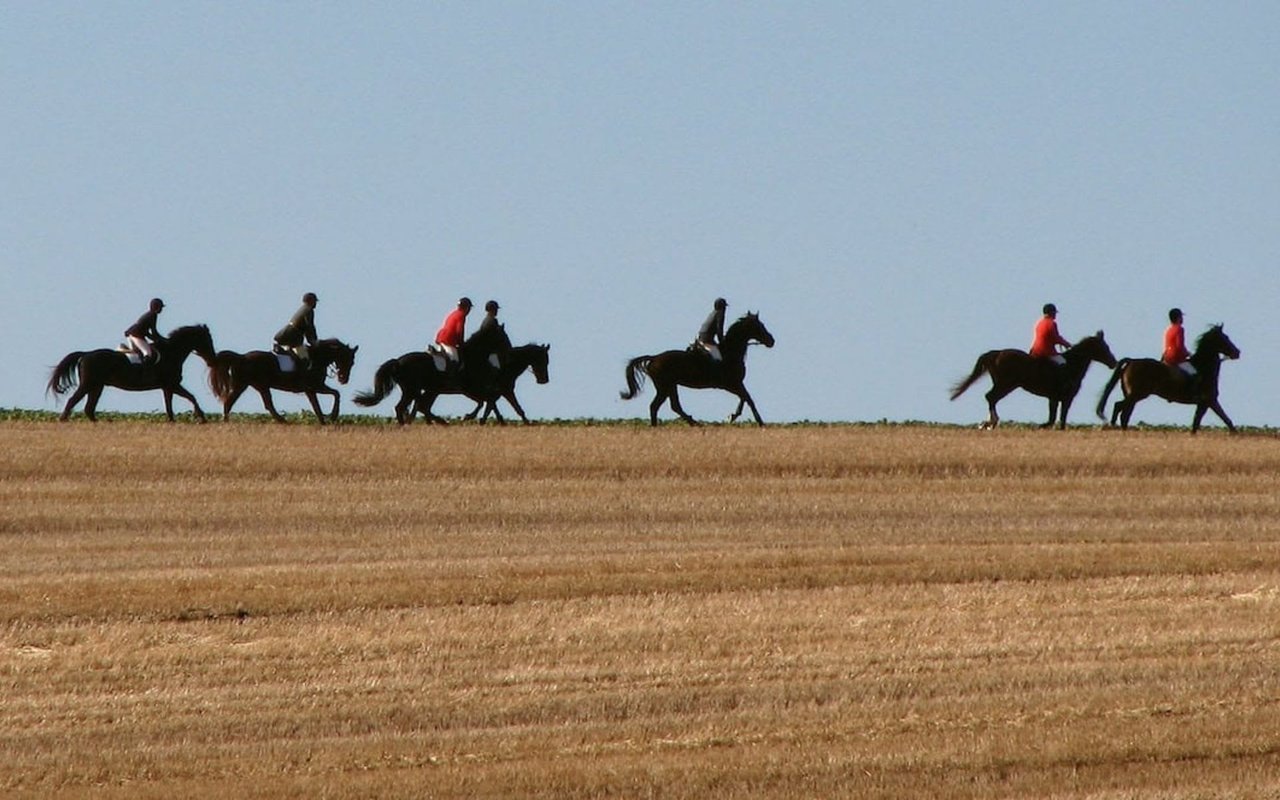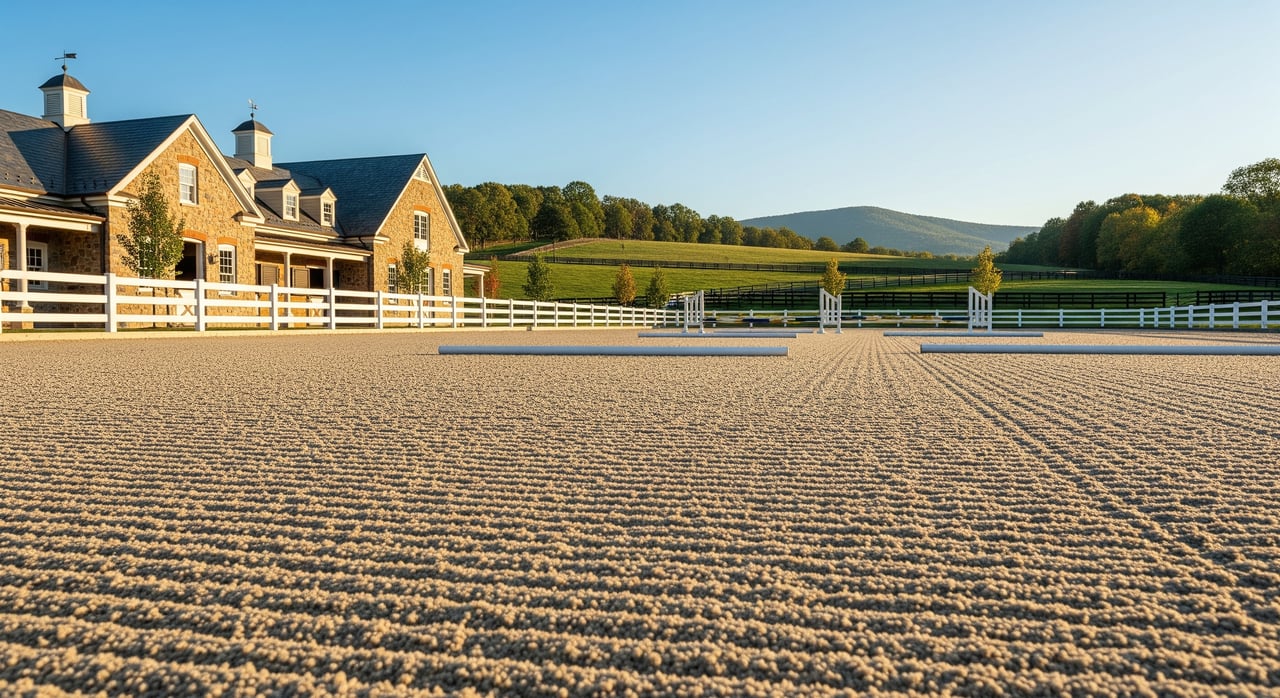
Looking at horse farms in Loudoun and wondering why two arenas can feel so different underfoot? When you ride, you notice dust, firmness, and how quickly water disappears after rain. The secret is not only the top surface, but also the base and drainage that support it, especially in Piedmont clay. In this guide, you will learn the most common footing types, how Loudoun’s climate and soils affect performance, what maintenance to expect, and what to check during showings so you can plan with confidence. Let’s dive in.
Footing basics
Footing means the riding surface plus the base beneath it. Both layers work together to create traction, cushion, and consistency. A well-constructed base keeps the surface even and usable in all seasons.
In Loudoun County, a stable, well-draining base is the most important investment. An inexpensive top layer over a weak base will ride poorly and fail faster. Focus first on base quality and drainage, then select a surface that fits your discipline, budget, and maintenance routine.
Top-layer options explained
Below are common surface systems you will see in Northern Virginia. Each comes with tradeoffs for ride feel, upkeep, and cost.
Sand-only
- What it is: Angular silica or quartz sand, sometimes with a small amount of fines.
- Pros: Lower material cost and simple to maintain with basic equipment.
- Considerations: Can get dusty in dry weather and may pack or rut if the sand is not angular. Cushion and drainage depend on the base.
- Best use: Basic outdoor rings or budget-sensitive facilities. Often improved later with additives.
Sand + fiber
- What it is: Sand blended with synthetic or natural fibers that increase stability and cushion.
- Pros: Better stability, less compaction, and more consistent feel across the arena. Holds structure under traffic.
- Considerations: Higher upfront cost than sand-only. Still needs moisture control and daily grooming.
- Best use: Dressage, jump, and multi-use arenas seeking a reliable all-weather surface.
Sand + rubber
- What it is: Crumb rubber mixed with sand for added shock absorption.
- Pros: Softer landings, reduced compaction, and less water needed for dust control.
- Considerations: Can retain heat in summer and may hold odors. Quality varies. Some competition venues limit rubber, so confirm discipline requirements.
- Best use: Arenas that prioritize cushioning, such as eventing or schooling programs, subject to discipline rules.
Waxed or polymer-coated sand
- What it is: Sand coated with wax or polymer binders that reduce dust and stabilize grains.
- Pros: Lower dust and a consistent ride with fewer watering demands.
- Considerations: Higher material cost. Maintenance or refresh often requires specific products and contractors.
- Best use: Indoor arenas or programs that value low dust and year-round consistency.
Organic and soft surfaces
- What it is: Peat, wood shavings, sawdust blends, or hog fuel over a base.
- Pros: Soft underfoot with good shock absorption.
- Considerations: Breaks down over time, needs frequent replenishment, and can be challenging in humid climates. Odors and insects can be an issue.
- Best use: Some schooling or temporary surfaces, but less common for show-focused rings in this region.
Why base and drainage matter in Loudoun
Loudoun sits in the Piedmont, where clay-rich subsoils and rolling terrain are common. That means drainage is mission critical. A strong base reduces downtime after rain, limits freeze-thaw damage in winter, and keeps your surface riding evenly.
A typical base includes compacted subgrade, geotextile to separate soil from stone, several inches of compacted angular aggregate, and a drainage plan. Expect a slight crown or uniform slope to shed water, perimeter swales, and sometimes buried perforated pipes that move water away from the arena.
Because clay can drain slowly, base prep often drives the budget. Some sites require thicker aggregate, under-drains, or soil replacement to achieve permeability. Investing here pays off for years in better performance and lower headache costs.
Loudoun climate and soil impacts
- Humid summers: Dry spells drive dust, so plan for watering or a dust-reducing surface.
- Winter freeze-thaw: Shifts can heave a weak base, so a deeper, well-draining base is your best defense.
- Year-round precipitation: Quick shedding of water prevents puddling, ruts, and spongy zones.
- Regulatory setting: Loudoun drains to the Chesapeake Bay. Larger grading projects or covered arenas may need permits and stormwater controls. Check with the county on land-disturbance and setback requirements for your site.
Maintenance and lifecycle
Every surface needs regular care to stay safe and consistent. Budget time and operating costs along with your purchase.
Routine grooming
- Daily or regular: Drag or groom to smooth ruts and keep depth even. Remove manure and damp spots. Water as needed for dust control.
- Weekly or monthly: Adjust grooming patterns to restore crown or grade. Loosen compacted areas and clear drainage inlets.
- Annual or periodic: Top-dress to replace lost material, re-level, and repair edges or minor base issues as needed.
Material-specific notes
- Sand-only: More frequent dragging and top-dressing. Dust control is a recurring task.
- Sand + fiber: Holds structure longer and needs less top-dressing, but still benefits from consistent grooming and moisture.
- Sand + rubber: Replenish rubber in high-traffic areas. Watch for heat retention in summer.
- Waxed or polymer sand: Reduced dust and watering, with maintenance that may require specific methods or vendor guidance.
Longevity and cost drivers
- The base is the long-term investment. With a strong base, top layers can be refreshed as needed.
- Replacement cycles vary by use intensity and material. Sand-only and organic blends tend to need more frequent replenishment.
- Costs vary by site. In clay-heavy locations, plan for extra base work and drainage to reach all-weather performance.
What to check during showings
Bring a short list and take a few minutes to test. Your goal is to confirm consistency, drainage, and care.
Quick walk-through checks
- Surface consistency: Walk several lines across the arena. Note hard-packed patches, deep divots, or abrupt changes.
- Standing water: After rain, look for puddles or spongy spots that linger.
- Crown and grading: Confirm a gentle crown or slope that sheds water to the sides.
- Edging and containment: Inspect perimeter boards or curbing for erosion or gaps that let footing escape.
- Subsurface clues: Exposed aggregate or visible geotextile suggests shallow top layer or migration.
- Dust and odor: Excess dust on dry days or strong organic odors signal maintenance needs.
- Equipment on-site: A drag, tractor, and watering setup show the owner maintains the ring.
Simple hands-on tests
- Depth checks: Use a rod or tape to measure surface depth at the center, track, and corners. Look for consistency.
- Thumb or hoof test: Press into the surface and note firmness and rebound. Avoid crusted tops with soft bottoms.
- Drain test: If practical, observe how fast a damp area firms up. Slow drainage points to base work needs.
- Edge probe: Check how quickly the footing thins near the perimeter.
Key questions for the seller
- Construction history: When was it built or renovated, and by whom? Any drawings or warranties?
- Composition: What are the materials and depths of both top layer and base?
- Maintenance: How often is grooming done? What watering system is in place?
- Replenishment: What materials are added and how often?
- Drainage: Is there a documented plan and where do buried drains discharge?
- Permits: Were county permits required for construction or recent grading?
- Known issues: Any problem spots, flooding history, or base repairs?
Red flags to investigate
- Frequent standing water or mud despite recent grooming.
- Uneven depth and inconsistent material across the ring.
- No documentation of base or drainage and unclear answers from the seller.
- Repeated patch repairs or settlement that suggest a failing base.
- Lack of maintenance equipment or a plan for ongoing care.
Planning upgrades in Loudoun
If the arena will influence your purchase, get site-specific advice before you finalize a budget.
- Documentation: Request construction records and maintenance invoices to understand past work and operating costs.
- Expert inspection: Hire an arena contractor or geotechnical professional with equine facility experience to assess base thickness, drainage, and subgrade.
- Permits and compliance: Confirm county requirements for land-disturbing work, stormwater measures, and setbacks for any planned improvements.
- Estimates: Gather quotes for drainage fixes, regrading, or new surface materials so you can negotiate with clarity.
- Phasing: In many cases, prioritize base and drainage first, then upgrade the surface.
Choosing the right surface for your program
Start with how you ride, how often you ride, and whether the arena needs to serve multiple disciplines.
- Multi-use or boarding: Sand + fiber often balances stability, cushion, and maintenance.
- Low-dust priority or indoor: Waxed or polymer-coated sand delivers consistent, cleaner air with fewer watering demands.
- Impact cushioning: Sand + rubber can soften landings. Confirm discipline and venue rules.
- Budget build or starter ring: Quality angular sand over a strong base can ride well and leave room to add fiber later.
Two guiding principles help every Loudoun buyer:
- Base before surface. A robust, well-drained stone base will do more for year-round rideability than any top-layer choice alone.
- Drainage is nonnegotiable. In Piedmont clay, good grading and drains pay for themselves in fewer rain days lost and less winter damage.
Next steps with a trusted local advisor
Selecting, inspecting, and budgeting for an arena is easier when you have a team that understands both Loudoun soils and equestrian operations. If you are weighing a farm with an existing arena or planning upgrades after closing, we can help you interpret documentation, connect with vetted arena contractors, and align improvements with your riding goals.
Let’s talk through your shortlist and create a plan that rides well in every season. Book an Appointment with Horse Farms & Country Homes to get started.
FAQs
What is the best arena footing for Loudoun’s climate?
- There is no single best option. In this region, prioritize a strong, well-drained base first. For many programs, sand + fiber or polymer-coated sand provides consistent ride and lower dust, while sand-only can be a budget-friendly start if the base is excellent.
How can I tell if an arena base is well built during a showing?
- Look for consistent depth, quick drainage after rain, a visible crown or slope, intact edges, and no exposed stone or fabric in the track. Ask for construction records, materials, and any drainage plans.
Do I need permits to build or upgrade an arena in Loudoun County?
- Larger grading and land-disturbing work can trigger erosion, sediment, and stormwater requirements. Covered arenas or structures may require building permits and compliance with setbacks. Check with the county before you plan work.
How much maintenance does a sand + fiber arena require?
- Expect daily or regular grooming, moisture management, and periodic top-dressing. Fiber tends to hold structure longer than sand-only, which reduces how often you replenish material, but grooming remains important.
Are rubber additives allowed at local competitions?
- Some competition venues restrict rubber. If you plan to trailer in and school with similar footing, confirm discipline or venue rules before you invest in a sand + rubber system.
How do I manage dust in a dry Loudoun summer?
- Watering is the most common approach for sand-based surfaces. Polymer-coated sand reduces watering needs. Routine grooming also helps manage dust by keeping the surface even and compacted appropriately.