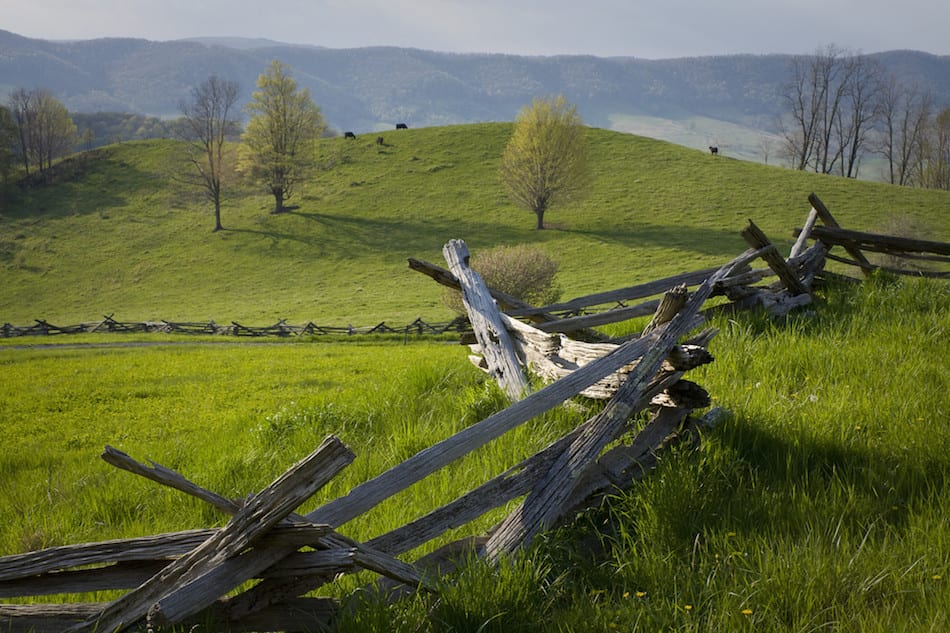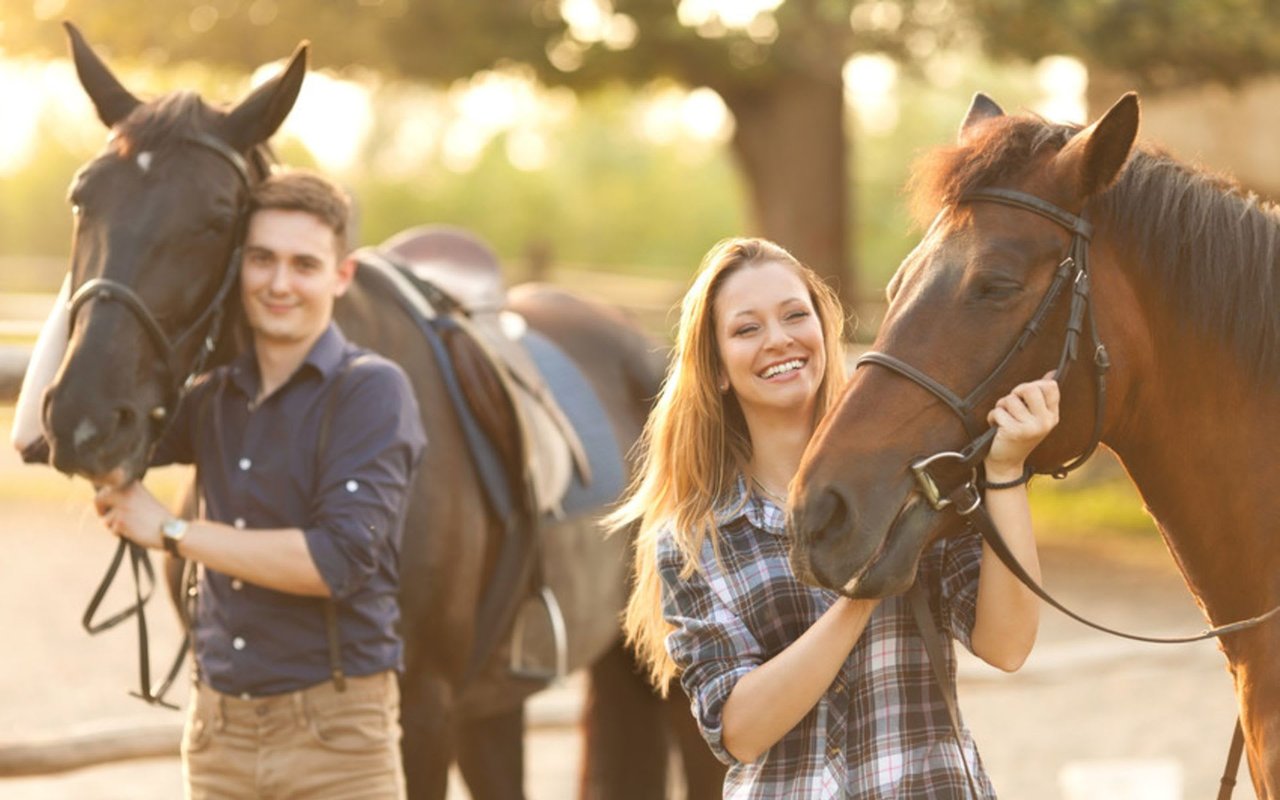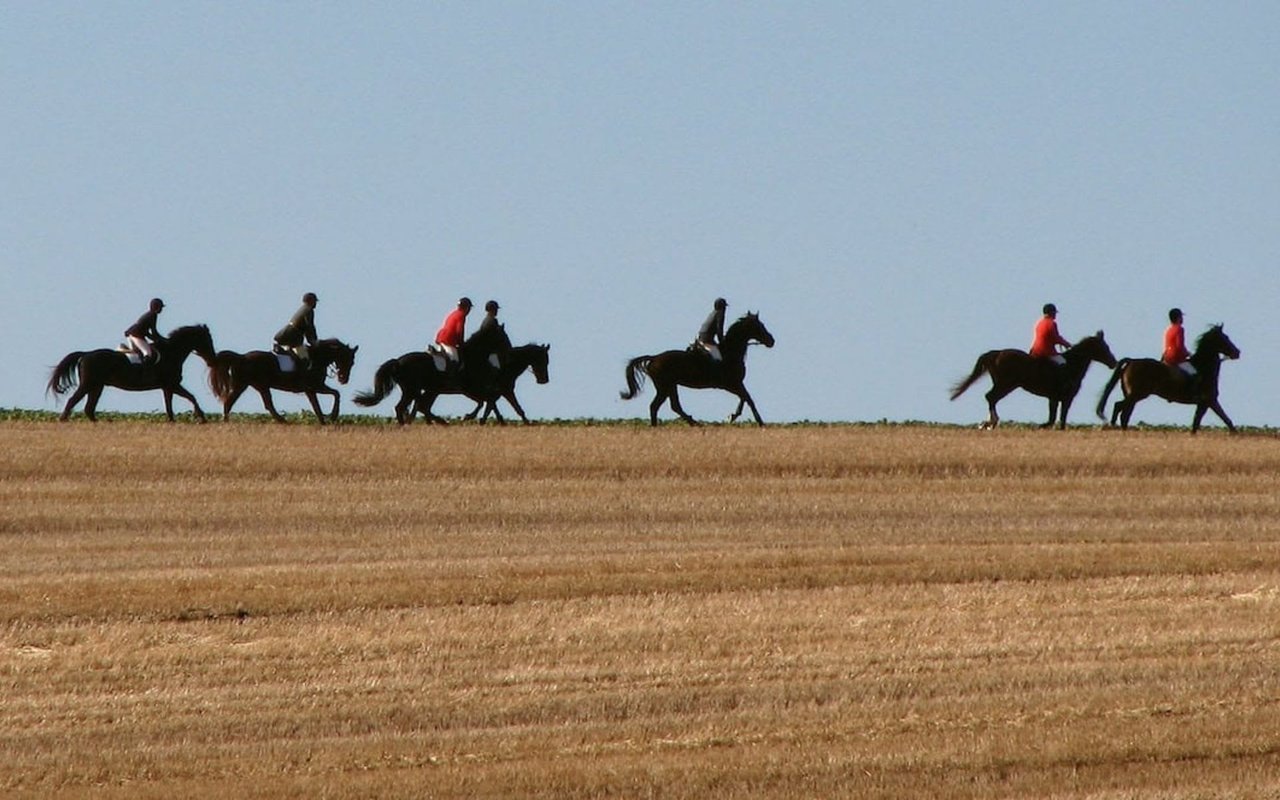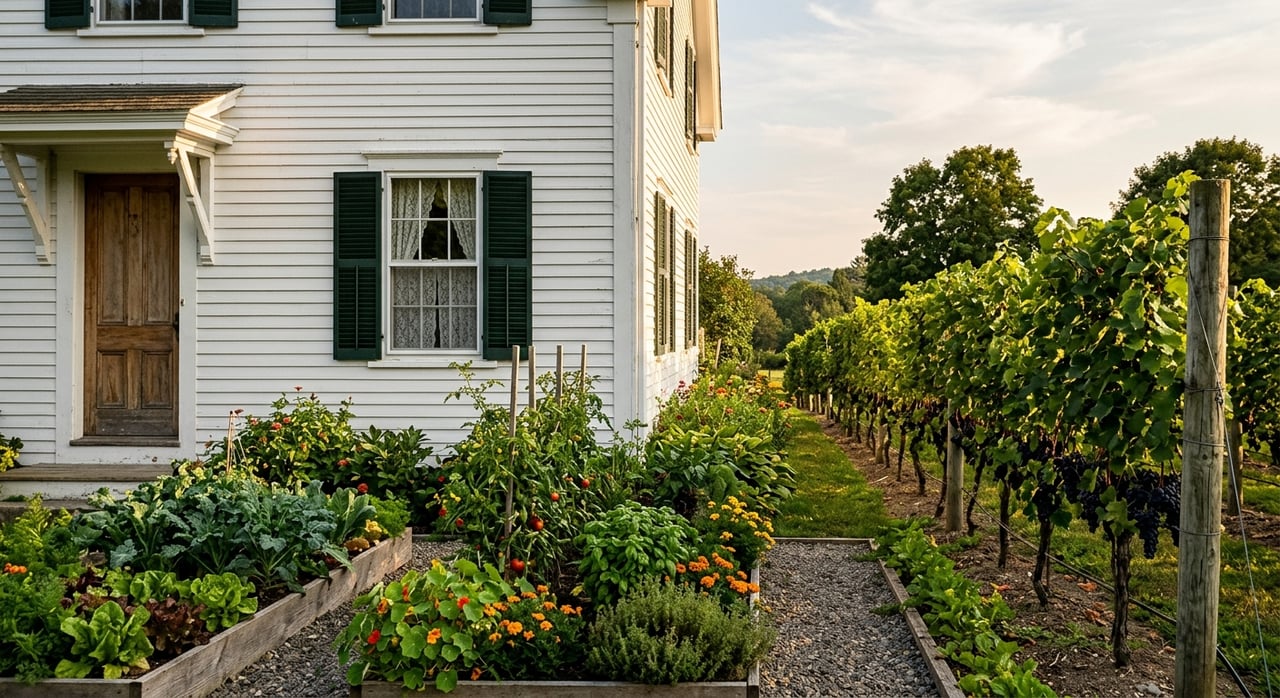
If you are drawn to a Fauquier County country home, the house is only part of the story. The bigger question is often what the land can actually support, both now and in the future. Whether you picture horses, gardens, a small vineyard, or simply open space to enjoy, understanding land use early can help you buy with more confidence. Let’s dive in.
Why land use matters in Fauquier County
Fauquier County has a long-standing rural preservation focus. The county’s Rural Lands Plan is designed to protect farmland, historic sites, and open space, and county staff notes that each property is shaped by both a Comprehensive Plan land-use designation and a Zoning District classification.
That matters because a beautiful parcel is not automatically a flexible one. What you hope to do with the acreage must line up with county review standards, the zoning ordinance, and any other restrictions tied to the property.
Rural land use is also a real part of Fauquier County’s economy, not a niche side activity. The USDA’s 2022 Census of Agriculture counted 1,040 farms in the county covering 188,562 acres, with an average farm size of 181 acres and market value of products sold reaching $67.9 million.
Common land uses for country properties
Country homes in Fauquier County can support a range of uses, but the right fit depends on the parcel itself. In most cases, buyers should think about the land and the improvements together rather than as separate decisions.
Equestrian use
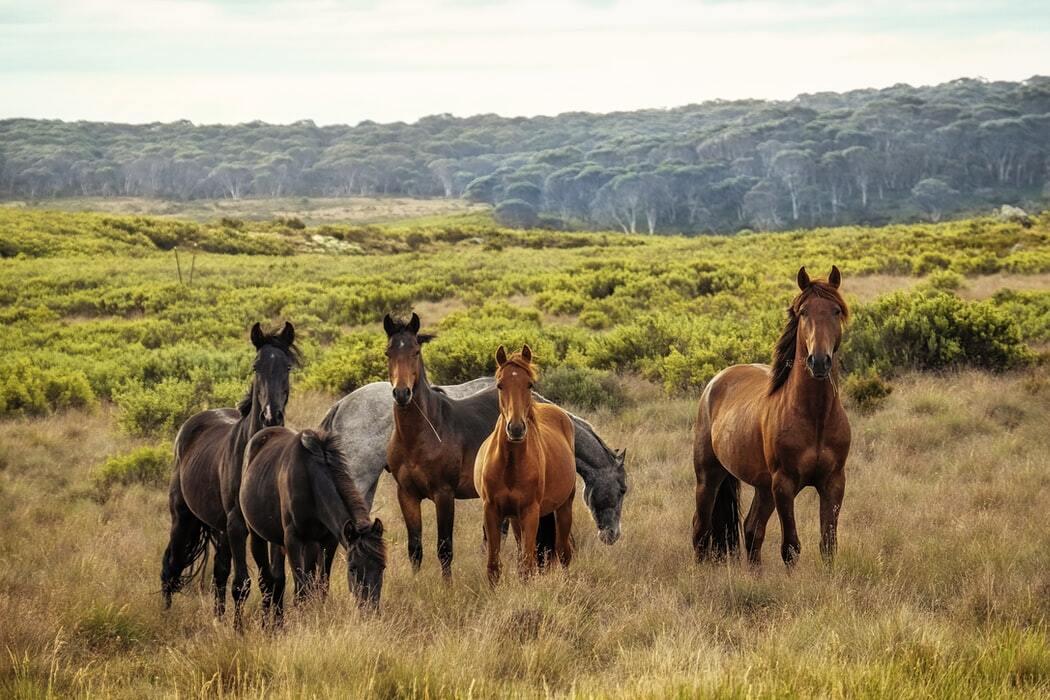
Fauquier County has an active horse-related landscape. The county’s Farm Product Directory includes horse services such as boarding, training, breeding, lessons, and show activity, which reflects how established equestrian use is across the area.
If you are evaluating a property for horses, the practical details matter. Virginia Tech guidance says healthy horse pasture generally requires about 2 acres per horse, and pasture management includes factors such as soil testing, seeding, mowing, and stocking rates.
In real-world property tours, buyers often look closely at turnout, drainage, fencing, barn placement, and storage space. A home may be charming, but for an equestrian buyer, the layout and usability of the acreage can be just as important as the residence.
Gardens, orchards, and small-scale agriculture
Not every country property is meant for horses. Fauquier County’s agricultural directory also includes fruit and orchard operations, vegetables, hay and straw, field crops and grains, specialty crops, and livestock, showing that smaller-scale agricultural use can take many forms here.
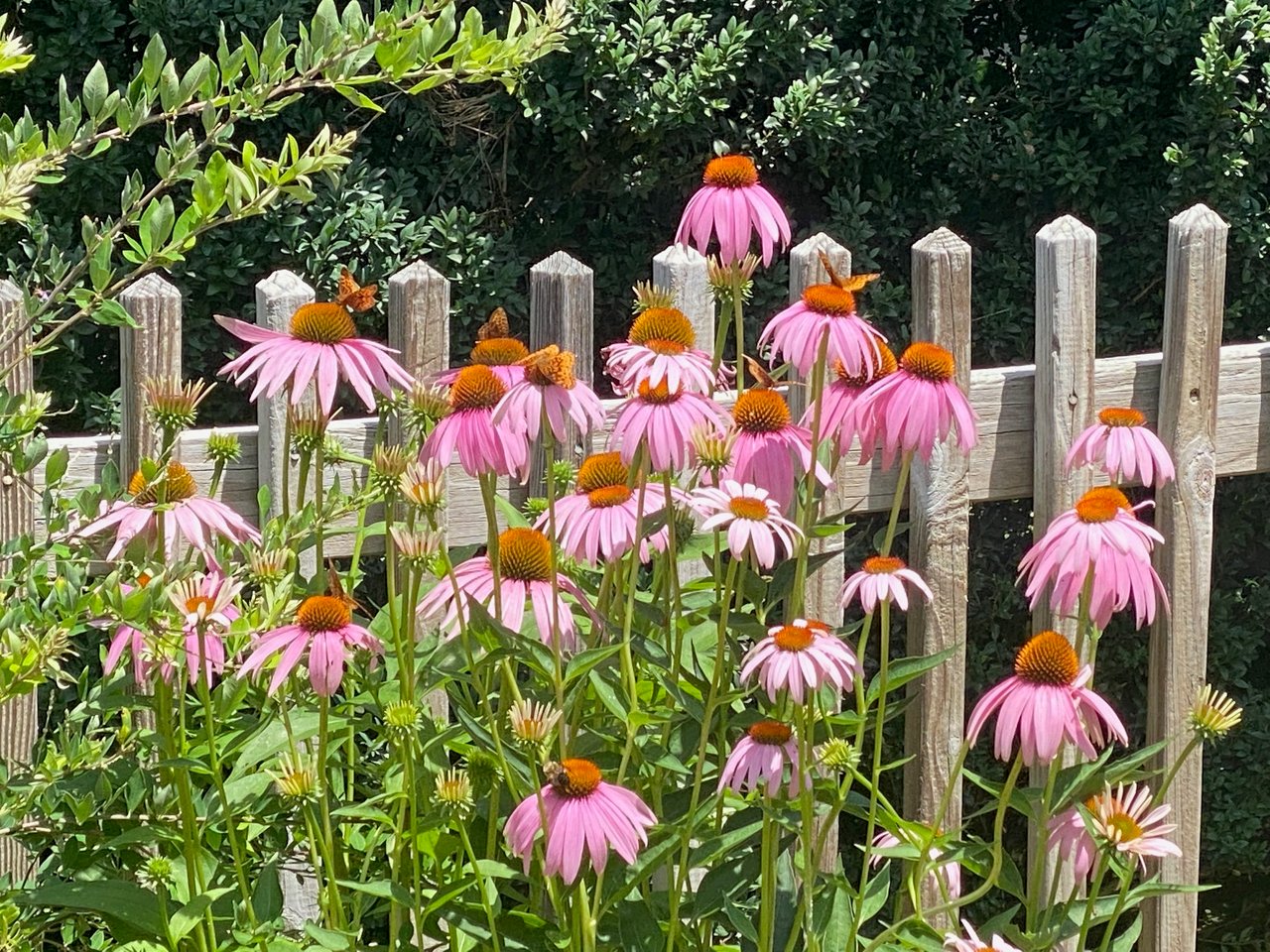
If you are considering a large garden or orchard, start with the soil. Virginia Tech’s gardener handbook says a soil test provides pH and nutrient information and helps guide lime and fertilizer decisions, with many garden soils retested every 3 to 4 years.
This kind of planning can make a major difference. A parcel may look productive at first glance, but soil conditions, slope, drainage, and water access will shape what is realistic over time.
Vineyards and wineries
Viticulture is also part of Fauquier County’s land-use picture. The county directory lists multiple vineyards and wineries across areas including Delaplane, Hume, Linden, Markham, Middleburg, and Warrenton, which shows that vineyard use is already present in the county.
That said, a vineyard is not a casual add-on. Virginia Tech’s wine-grapes program says wine growing is challenging and requires an excellent site, a realistic business model, substantial resources, and adaptation to weather and climate.
If you are exploring a vineyard property or wondering whether a parcel could support future planting, site screening becomes essential. Soil mapping and a close review of the land’s conditions should happen before you assume the acreage is suited for grape production.
Recreation and stewardship space
Some buyers want land for active use, while others want room to breathe. In a county where rural preservation is a major priority, acreage is often valued for passive recreation, trails, wildlife habitat, shade trees, and buffer space.
This type of use may sound simple, but it still benefits from planning. Understanding tree cover, topography, drainage, and any protected features on the property can help you maintain the land in a way that supports both enjoyment and long-term stewardship.
What affects feasibility first
Before you build a barn, add a driveway, dig a pond, or change how the land is used, you need to understand what the county requires. In Fauquier County, zoning review is often the first gatekeeper.
The county says a zoning permit is required before any structure is placed on a property and before a property is used for any activity other than agriculture, horticulture, or forestry. The county also states that agricultural buildings still require zoning approval, and zoning approval is required before grading or other land-disturbing work.
There are some exceptions, but they are narrow. The county says fields or pastures created for agricultural use do not require a zoning permit, while driveways, ponds, and buildings are not exempt.
Why soils, water, and drainage matter
Paperwork is only part of the picture. Site conditions often determine whether a project is practical, affordable, or worth pursuing at all.
The USDA Web Soil Survey is the official soil-mapping tool, and NRCS says soil surveys help evaluate land for planning and practices such as fencing, heavy-use areas, cover crops, and waste-storage facilities. For buyers looking at horse properties, farmettes, or future vineyard sites, this kind of review can reveal limits that are not obvious from the driveway.
Soil testing is equally useful on the ground. Virginia Tech’s soil-testing lab and Extension resources can help with pH and nutrient analysis, which is useful for gardens, pasture, and other agricultural goals.
Water and wastewater also deserve early attention. Fauquier County’s Health Department issues well and septic permits for county properties, and Virginia Tech’s household water quality program supports testing and interpretation for private-water properties.
If you hope to support livestock, irrigation, or a larger planting plan, private water capacity and quality may become central questions. In many country-home purchases, these details carry as much weight as square footage or finishes.
Easements and private restrictions
Even when zoning appears favorable, a property may still come with limits. Easements, deed restrictions, and HOA covenants can all narrow what you can do with the land.
Fauquier County’s Purchase of Development Rights program allows landowners to sell development rights while retaining ownership and use of the land. The county says the program is intended to prevent future residential or industrial development, and about 13,469 acres have been approved for PDR.
The planning department also warns that HOA covenants and deed restrictions can regulate use beyond county ordinances. That means a buyer should not stop at zoning alone when evaluating long-term flexibility.
The county’s Agricultural and Forestal Program is another planning tool to understand. County resources point owners toward the Agricultural Development Office, the Soil and Water Conservation District, Virginia Cooperative Extension, and the Department of Forestry for technical support and conservation planning.
A smart buyer’s review process
When you are buying acreage in Fauquier County, the clearest path is usually a step-by-step one. Rather than starting with assumptions, start with verification.
A practical review process often includes:
- Confirming the property’s land-use designation and zoning district
- Asking whether your intended use triggers permits, grading review, or a change in use
- Reviewing soils, drainage, and topography
- Checking well and septic records or permit history
- Looking for easements, PDR enrollment, deed restrictions, or HOA covenants
- Assessing whether the existing layout supports your intended use without major rework
This approach helps you separate a scenic property from a workable one. It can also help you avoid buying land that looks ideal at first glance but becomes costly or limiting once you begin planning improvements.
Who to talk to before you buy
Because land use is so site-specific, the right local sources can save you time and money. Fauquier County and Virginia-based technical resources are often the best starting point.
Before buying or improving acreage, consider speaking with:
- Fauquier County Planning Division or Zoning & Development Services about land-use designation, zoning district, setbacks, floodplain questions, and permit requirements
- Fauquier County Agricultural Development Office for PDR, farm-preservation, and rural land stewardship questions
- Virginia Cooperative Extension for soil tests, forage and pasture management, pest identification, manure testing, and private-water guidance
- John Marshall Soil and Water Conservation District for conservation planning and natural-resource protection
- Fauquier County Health Department for septic and well records and permits
- USDA NRCS for soil maps and land-planning support through the Web Soil Survey
County and Extension sources consistently point back to the same core issues: soils, drainage, water, zoning, and long-term flexibility. If you can answer those clearly, you are in a much stronger position to judge whether a country property truly fits your goals.
What this means for buyers
In Fauquier County, land is rarely just leftover space around a house. It may be pasture, productive ground, stewardship acreage, or future opportunity, but only if the site and the rules support that vision.
For some buyers, the best property is turnkey and ready for horses or farm use. For others, it is a quieter parcel with open space, a garden plan, and room to shape over time. Either way, clarity comes from asking the right questions before you close, not after.
If you are considering a country home, horse property, vineyard parcel, or rural retreat in Hunt Country, working with a specialist who understands both the lifestyle and the land can make the process far more informed. To start that conversation, connect with Horse Farms & Country Homes.
FAQs
What land uses are common for Fauquier County country homes?
- Common uses include equestrian facilities, gardens, orchards, small-scale agriculture, vineyards, and open space for recreation or stewardship, depending on the property’s zoning and site conditions.
What permits might a Fauquier County acreage property need?
- Fauquier County says zoning approval is required before placing any structure on a property, for agricultural buildings, and before grading or other land-disturbing work. Driveways, ponds, and buildings are not exempt.
What should you review before buying a horse property in Fauquier County?
- You should review zoning, pasture acreage, drainage, fencing, barn placement, storage space, soils, and water access, since these factors affect how well the property can support horses.
Why are soil tests important for Fauquier County country properties?
- Soil tests help you understand pH and nutrient levels, which can guide decisions for gardens, pasture, orchards, and other agricultural uses.
Can easements or private restrictions affect land use in Fauquier County?
- Yes. PDR enrollment, deed restrictions, and HOA covenants can limit future development or use even when zoning seems favorable.
Who should you contact about land-use questions for a Fauquier County property?
- Good starting points include Fauquier County Planning or Zoning staff, the Agricultural Development Office, Virginia Cooperative Extension, the John Marshall Soil and Water Conservation District, the Fauquier County Health Department, and USDA NRCS for soil mapping.