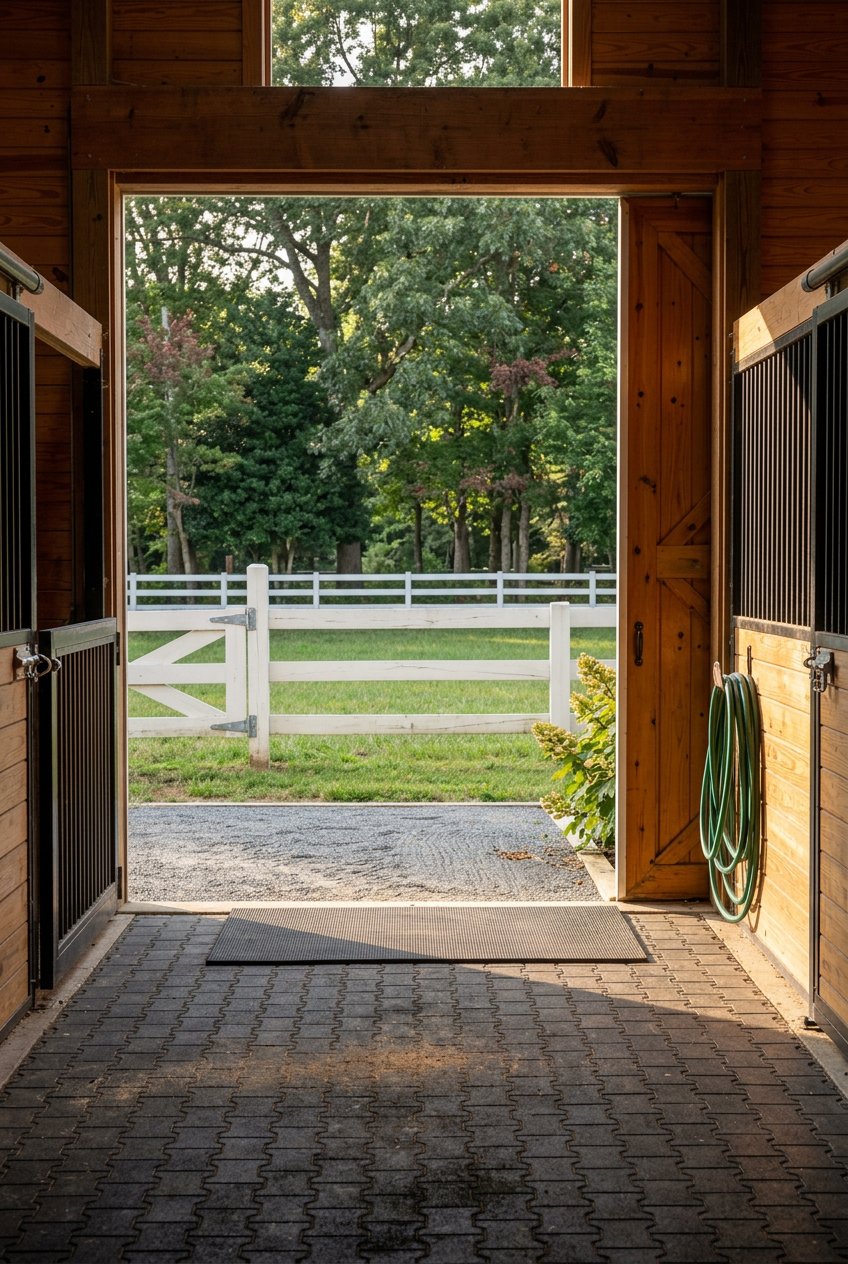
Thinking about selling your horse property in Fauquier County? You know it is not just about the house. Buyers look at the barns, arenas, fencing, drainage and pasture health with a careful eye. The right prep can protect your price, reduce surprises and make your listing stand out.
This guide walks you through what to gather, what to fix, how to price, and when to launch in our local equestrian market. You will get a clear checklist, links to key county and state resources, and marketing ideas that speak to serious horse buyers. Let’s dive in.
Know your seller disclosures
Virginia requires delivery of specific seller disclosure forms for residential sales. Review the state guidance and forms under the Virginia Residential Property Disclosure Act, and confirm timing and delivery with your agent. You can find current consumer information on the Virginia DPOR disclosure page.
If your property includes agricultural uses or special programs, plan to document them. Clear, complete files build buyer confidence and speed up due diligence.
Confirm land-use, easements and permits
Land-use assessment and UVA basics
Fauquier County allows a reduced assessment for qualifying agricultural and horticultural land under its land-use program. For agricultural classification, there is a minimum of 5 acres and participation in a bona fide commercial program. The county defines animal units and treats one horse as one animal unit. Gather your current enrollment letters and any correspondence if you are in land-use or expect roll-back taxes when acreage changes. Review details on the Fauquier land-use program page.
Buyers and appraisers often want to understand the tax tradeoffs and how land is valued in use. Virginia Tech publishes county tables used to estimate use-value assessments. Share the relevant table from the Virginia Tech LUVA worksheets so buyers can see the framework.
Conservation easements and PDR
Many Hunt Country properties are under conservation easements or purchased development rights agreements. These documents commonly limit subdivision and certain future uses. If your farm is encumbered, locate the recorded easement deed, baseline reports and any PDR paperwork before you list. Learn more about local easements on the county’s Conservation Easements resource page.
Building history and permits
Barns, covered arenas and run-in sheds often need zoning review or permits. Repairs or additions done without permits can slow a sale. Ask Community Development for permit histories and as-builts, then organize them for buyers. Start with the county’s Building and Zoning permits portal.
Check floodplains and environmental constraints
Floodplains and wetlands affect insurance, financing and usable pasture. Fauquier identifies roughly 33,000 acres of mapped floodplain, about 8 percent of the county. Check your parcel on county or FEMA maps early and note any prior map changes. If a correction is needed, homeowners follow FEMA Letter of Map Change procedures. Use the county’s Floodplain resources as a starting point.
Prep barns, arenas, fencing and pastures
Barn safety and presentation
Walk your primary barn with a “buyer’s eyes” checklist. Look at roof condition, ventilation, stall doors and latches, electrical panels, outlets near water, drainage around the foundation, and clear hay storage. Address obvious hazards and tidy every space. Clean aisles, swept tack rooms, labeled storage and organized feed areas signal strong stewardship.
Document key features and updates. Create a one-page summary that includes stall count and sizes, tack room square footage, wash rack details, hot water availability, hay storage capacity and recent improvements.
Arena details buyers want
Serious equestrians will ask for arena dimensions, footing type, drainage or irrigation notes, lighting and your maintenance routine. Share your dragging schedule and any recent topping or base work. For marketing, capture photos or short video that show footing quality, ring contours and the relationship of the arena to barns and paddocks.
Fencing and paddocks
Repair broken or sagging rails, replace rotted posts and confirm gates swing well and latch securely. In your listing, note fencing type, estimated linear feet, and approximate heights. Safe, visible perimeter fencing is a top buyer priority for horse properties. For general safety principles and materials guidance, see the equine resources from Penn State Extension.
Pasture health and manure plan
Buyers will ask how many acres are fenced, how many are productive pasture, your forage types and typical stocking rate. A practical planning range in temperate climates is about 2 to 5 acres per horse, depending on soils and management. If you use rotational grazing or a sacrifice lot to protect turf during wet periods, map those areas and describe your schedule.
Have a concise manure-management plan ready. Share how you compost, remove or spread, and where you stage equipment. Good records reduce neighbor concerns and show buyers that operations run smoothly.
Wells, water and septic: test and document
In rural Fauquier, many properties use private wells and onsite sewage systems. While the Virginia Department of Health does not require department-led inspections for routine real estate sales, buyers and lenders often request water tests and septic status reports. Gather your well completion report, any septic permits and as-built drawings, and plan to obtain a recent water-quality test for bacteria and nitrate. Local guidance and forms are available from the VDH Rappahannock-Rapidan Onsite Wastewater page.
Pricing and valuation for equestrian properties
Horse farms are often treated as special-purpose or rural properties in appraisal practice. Appraisers typically use a sales comparison approach for the residence and land when comparable sales exist, the cost approach for unique improvements like custom barns or indoor arenas, and the income approach if you have reliable boarding or training income. Expect a longer appraisal scope and plan to help the appraiser with a comprehensive facility file. The Appraisal Institute’s guidance on special-purpose property outlines these methods.
Prepare supporting documents before you list:
- A detailed inventory of equine improvements, including stall counts and sizes, arena dimensions, tack and feed rooms, wash racks, hay storage, and any included equipment per contract.
- Maintenance logs and replacement dates for roofs, footing and major systems, plus relevant contractor invoices.
- If you operate a boarding or training business, three years of operating statements and client rosters, with a note that appraisers separate real estate value from business goodwill.
- Maps that show boundaries, paddock layout, water lines, hydrants, septic locations and trailer circulation.
When setting price, use a CMA informed by rural acreage sales and consider a custom farm appraisal if your equine improvements drive significant value. The Virginia Tech LUVA tables can help buyers understand local use-value assumptions.
Marketing strategy and launch timing
Photography and video must-haves
High-quality visuals are essential to reach equestrian buyers. Plan for:
- Aerial images that show house, barns, paddocks, ring, pasture, drive and trailer access.
- Barn interiors, including aisles, stalls with doors open, tack room, wash rack and hay storage.
- Arena closeups of footing, drainage features, lights and grooming equipment.
- Clean fence runs, productive pasture and water sources.
- A concise video tour to answer common questions and reduce disruptive showings.
Where to reach equestrian buyers
Combine broad MLS exposure with targeted equestrian channels. Specialized farm and land platforms, local equestrian networks and agent-to-agent outreach reach buyers who are actively searching for horse-ready facilities. Work with a team that already maintains buyer lists and understands discipline-specific needs.
Time your launch to the calendar
Equestrian traffic in Fauquier and the Piedmont spikes in late spring and early summer. Listing during the Upperville Colt & Horse Show window can put your property in front of serious riders and owners. Confirm dates from the show’s official materials, such as the Upperville vendor application. Spring steeplechase meets at Great Meadow and nearby race events also draw the right audience. Avoid launching in the heaviest mud periods if your paddocks need time to recover.
Showing logistics and safety
Plan private, appointment-only showings and coordinate with your barn routine. Identify a safe visitor route, post clear trailer parking signs and secure horses in suitable areas. During busy show season, limited showing windows and a short pre-qualification step can protect both horses and property while keeping buyer traffic efficient.
Pre-listing checklist
Use this 6-to-12 week plan to get market ready:
- Documents: deed and survey, land-use enrollment letters, conservation easement or PDR records, well completion report and septic permits, building permits and as-builts, recent utility bills for barns, prior appraisals, and if applicable, boarding/training P&Ls and service contracts.
- Site work: repair roof or structural items, fix fence rails and gates, groom arena, declutter aisles and tack rooms, remove debris or unsightly piles, cut view lines and edge the drive.
- Utilities and tests: order a water-quality test for bacteria and nitrate, request septic history or certification as available, and organize VDH and county records from their respective portals.
- Valuation: assemble a detailed inventory of improvements and consider a farm-capable appraisal if equine features are a major value component.
- Marketing assets: schedule aerials and barn interiors, capture safe arena action shots, prepare a labeled site map with paddocks, water and septic, and write a clear facility summary for buyers.
- Professional team: engage an equine-experienced agent, a rural appraiser, and local well and septic professionals. If you have easements or land-use questions, plan to speak with appropriate county offices or advisors.
Ready to talk?
Selling a horse property in Fauquier County takes targeted preparation, precise valuation and polished, equestrian-forward marketing. If you want expert guidance on what to fix, how to position your facility and when to launch, connect with Horse Farms & Country Homes to chart the best path to market.
FAQs
What disclosures are required when selling a Virginia horse property?
- Virginia follows the Residential Property Disclosure Act. Review state forms and delivery requirements on the Virginia DPOR disclosure page and work with your agent to provide them on time.
How do conservation easements impact a sale in Fauquier County?
- Easements and PDR agreements limit subdivision and some future uses. Locate and share your recorded easement deed and related documents early. See the county’s Conservation Easements page for background.
What should I prepare for an appraisal of my horse farm?
- Provide a facility inventory, maintenance logs, maps and, if applicable, three years of operating statements. Appraisers often blend sales comparison, cost and income approaches, as outlined by the Appraisal Institute.
How many acres per horse do buyers expect in this area?
- A practical planning range is about 2 to 5 acres per horse, depending on soils and management. Share your pasture acreage, grazing rotation and sacrifice areas. General guidance is available from Penn State Extension.
Should I test well water and septic before listing in Fauquier County?
- Yes, most buyers and lenders request current water-quality tests and septic status information. Gather well and septic records and consult the VDH Rappahannock-Rapidan Onsite Wastewater page for local forms and guidance.