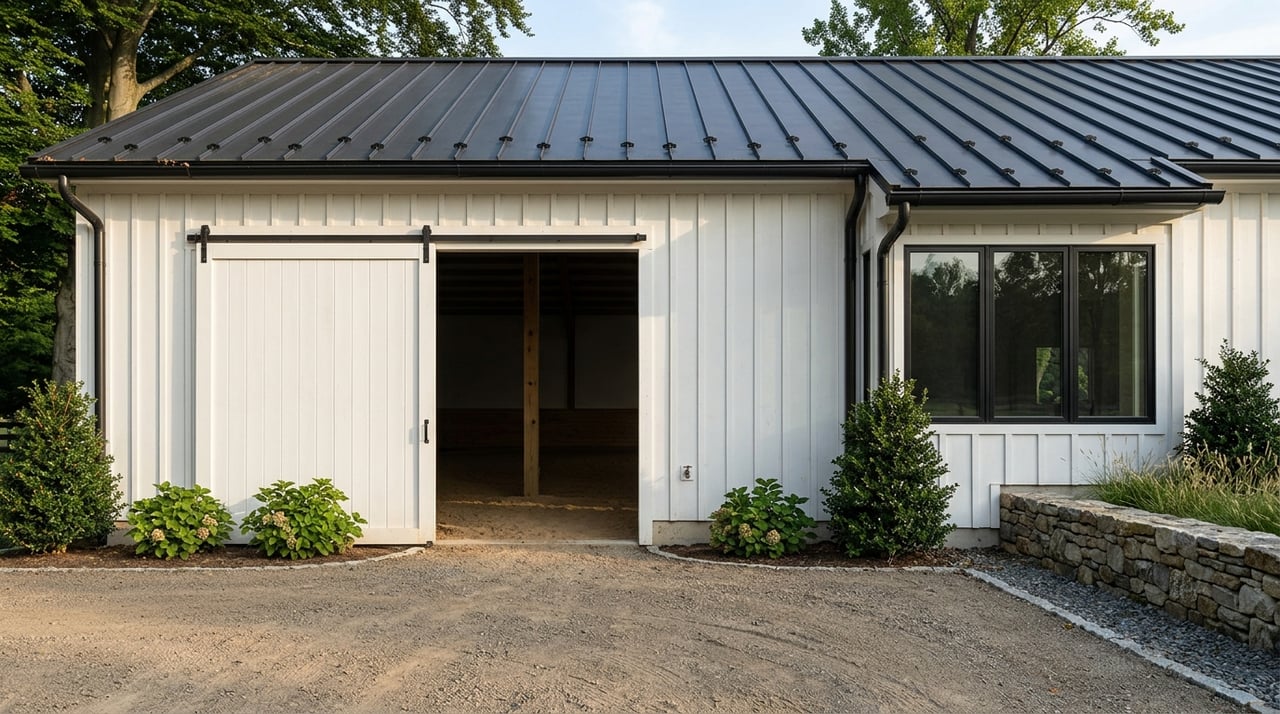
If you are selling a horse property in Fauquier County, pricing it like a generic rural home can cost you time, leverage, and serious buyer interest. This market is shaped by Hunt Country tradition, equestrian utility, scenic land, and access to the Washington area, which means buyers are often looking for very different things. When you understand how value is really judged here, you can position your property more clearly and compete more effectively. Let’s dive in.
Why Fauquier County Is Different
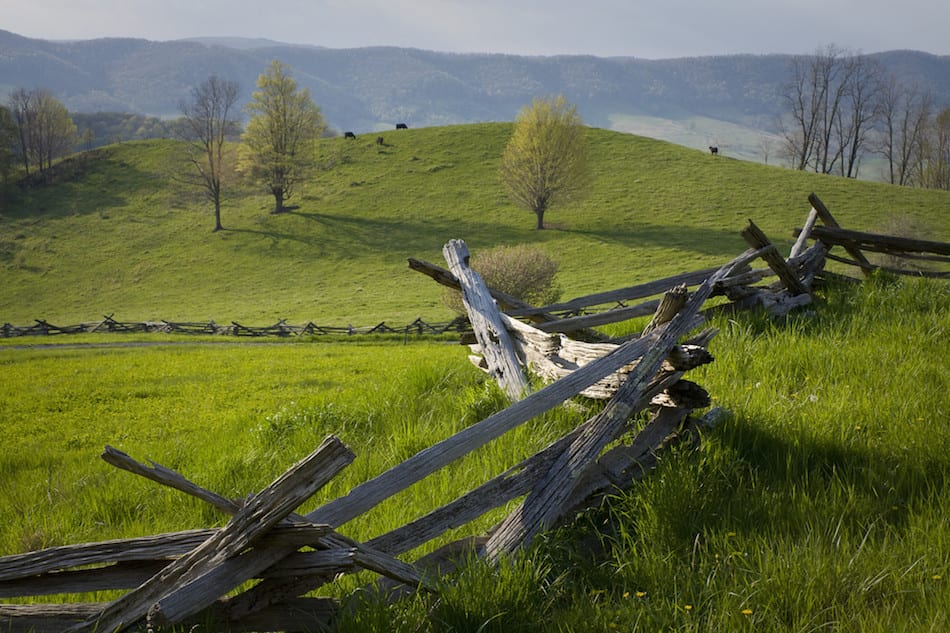
Fauquier County is not just another rural market on the edge of Northern Virginia. County and tourism materials describe it as a place known for farmland, woodlands, pristine countryside, and an international equine industry, about 40 miles southwest of Washington, D.C.
That local identity matters when you bring a horse property to market. Some buyers want a true working farm with practical horse infrastructure, while others are drawn to privacy, views, and the Hunt Country lifestyle with workable access to the D.C. region.
Because of that, pricing and positioning should start with one question: what kind of buyer is your property best suited for? A private equestrian estate, a boarding or training setup, and a land-heavy country retreat may all sit on acreage, but they do not belong in the same pricing conversation.
Start With Highest and Best Use
One of the clearest ways to think about value is through highest and best use. Virginia Department of Transportation appraisal guidance says that use should be analyzed based on physical possibility, legal permissibility, financial feasibility, and maximum productivity.
In plain terms, that means your property should be priced according to what it can realistically and legally be used for, not just by counting acres or stalls. A farm with solid infrastructure, usable layout, and documented legal use may justify a different strategy than a scenic parcel with limited horse function.
This is especially important in Fauquier County, where the local horse economy includes boarding, training, breeding, lessons, shows, and arena rental. The market includes several real-world property types, so a broad set of rural comps can miss the mark.
Price the Right Property Type
Before setting a number, it helps to place your property in the right segment of the market. That step sounds simple, but it is where many horse-property pricing strategies go off course.
Private equestrian estate
These properties often appeal to buyers who want horses at home, but may not need a commercial-scale operation. They tend to value:
- Attractive land layout
- Well-kept barns and fencing
- Arena usability
- Privacy and views
- Easy trailer or commuter access
For this buyer, presentation and lifestyle story matter alongside function.
Boarding or training facility
These properties are judged more on operational utility. Buyers often focus on:
- Stall count and barn layout
- Arena footing and drainage
- Trailer circulation
- Water management
- Pasture rotation and configuration
- Workable access for clients, staff, or horse transport
In this segment, usable function usually carries more weight than cosmetic charm.
Land-forward country property
Some properties have horse appeal but are really valued for acreage, setting, and flexibility. In that case, buyers may care most about:
- Contiguous usable land
- Scenic setting
- Development constraints
- Access and topography
- Tax status and carrying costs
If your property fits this category, overemphasizing equestrian claims can weaken credibility. It is better to present horse features accurately and let the land story support the value.
Acreage Alone Does Not Set Value
In Fauquier County, acreage matters, but configuration matters just as much. Two properties with similar acre counts can perform very differently in the market depending on how the land lays out, how much is usable for horses, and whether development or use constraints are in place.
The county’s Agricultural and Forestal District program requires at least 25 acres in most cases, with limited exceptions for smaller contiguous or conservation-related situations. Land in a district is protected from more intensive development for the duration of the district term, and districts renew every 10 years.
That does not automatically make one property more or less valuable. It does mean buyers may view flexibility, future options, and overall utility differently. If your acreage is fragmented, steep, hard to access, or limited by constraints, those factors need to be reflected in pricing.
Document Legal Use Before You List
Horse-property buyers tend to ask practical questions early, and they should. In Fauquier County, zoning approval is required before building new structures, including agricultural buildings, and before certain grading, land disturbance, new uses, or changes in use.
The county also notes that a zoning permit is required unless a structure is under 256 square feet. Depending on the property, land-disturbing permits may be needed for items like driveways, ponds, and buildings, and a VDOT entrance permit is required if the structure is the first one on the property.
That means your pricing power can depend in part on how cleanly your property’s improvements and uses are documented. If buyers are unsure about what is permitted, they may discount the value to protect themselves from future risk.
Evaluate Barns by Function
A larger barn does not always mean a stronger price. In this market, buyers often look past size and focus on whether a barn truly works for their needs.
Fauquier County’s agricultural-construction guidance says a qualifying farm building can be exempt from building permits and inspections when it is used primarily for farm purposes. But that exemption does not apply to residential space, floodplain situations, or certain accessory structures.
For sellers, the takeaway is simple: clarity builds confidence. A buyer will want to understand the barn’s layout, use, condition, and documentation. If your stable supports real day-to-day horse use with sensible circulation, storage, turnout access, and sound maintenance, that story should be presented clearly.
Explain Tax Status and Land Programs Clearly
Ownership costs can shape buyer decisions, especially on larger properties. Fauquier County says properties in Agricultural and Forestal Districts that meet land-use criteria automatically qualify for the county’s Land Use Assessment program, which can lower real estate taxes.
For some buyers, that is a meaningful part of the value proposition. For others, the bigger issue is understanding what the status means for flexibility and long-term plans.
This is why land-use status should never be treated as a footnote. If your property has Agricultural and Forestal District status, land-use assessment, or a conservation-related limitation, those details should be explained in plain language so buyers understand both the benefits and the boundaries.
Position the Property for the Right Buyer
Strong positioning helps the right buyer recognize your property quickly. In Fauquier County, that means showing both function and setting.
County and tourism materials point to equestrian culture, scenic countryside, and proximity to the Washington metro area as defining features of the area. A successful listing should reflect that balance instead of leaning too far into either pure utility or pure lifestyle.
Show the horse features buyers actually evaluate
Your marketing should document the parts of the property that matter most to horse buyers, such as:
- Pasture layout and fencing
- Barn condition and stable flow
- Arena size, footing, and drainage
- Trailer access and turnaround space
- Water management
- Ride-out potential or trail connection, when available
These details help buyers picture daily use, not just appearance.
Show the setting with purpose
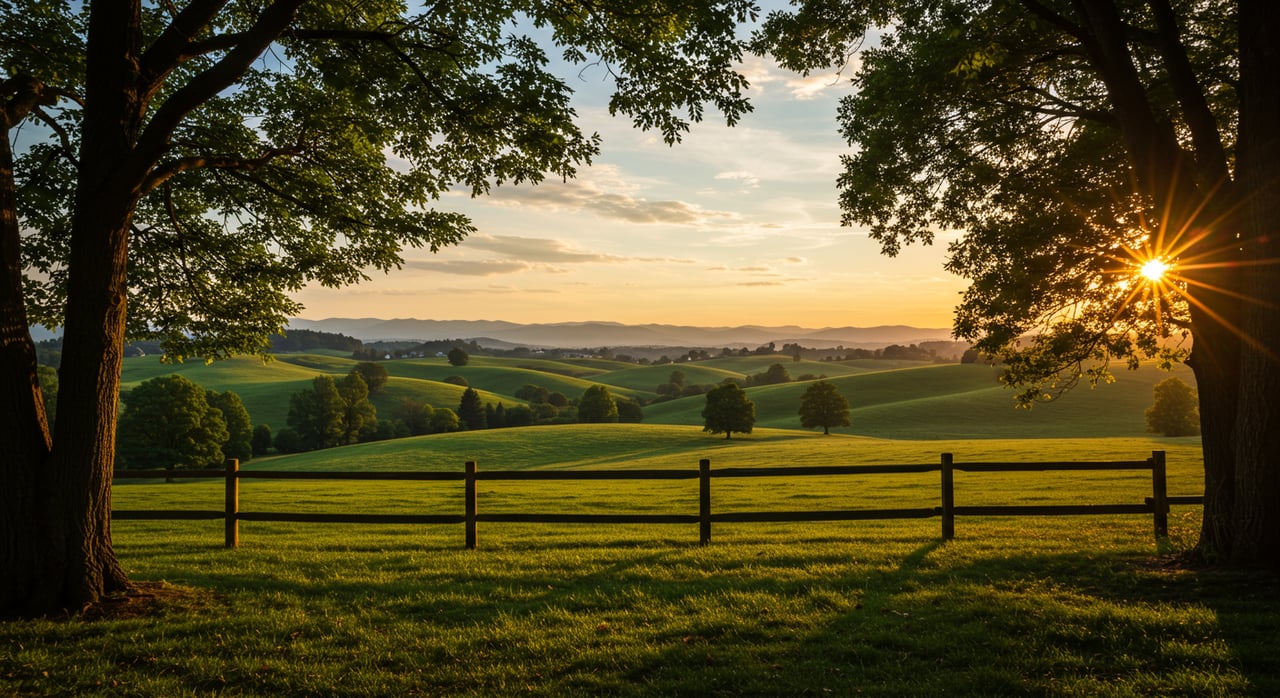
Scenery matters in Fauquier County, but it should support the story rather than replace it. Good presentation highlights how the home, barn, paddocks, and open land relate to each other.
For lifestyle-driven buyers, that relationship can be a deciding factor. They may be drawn to long fence lines, broad pasture views, mature trees, and a home placement that feels both private and practical.
Trail Access Can Be a Meaningful Advantage
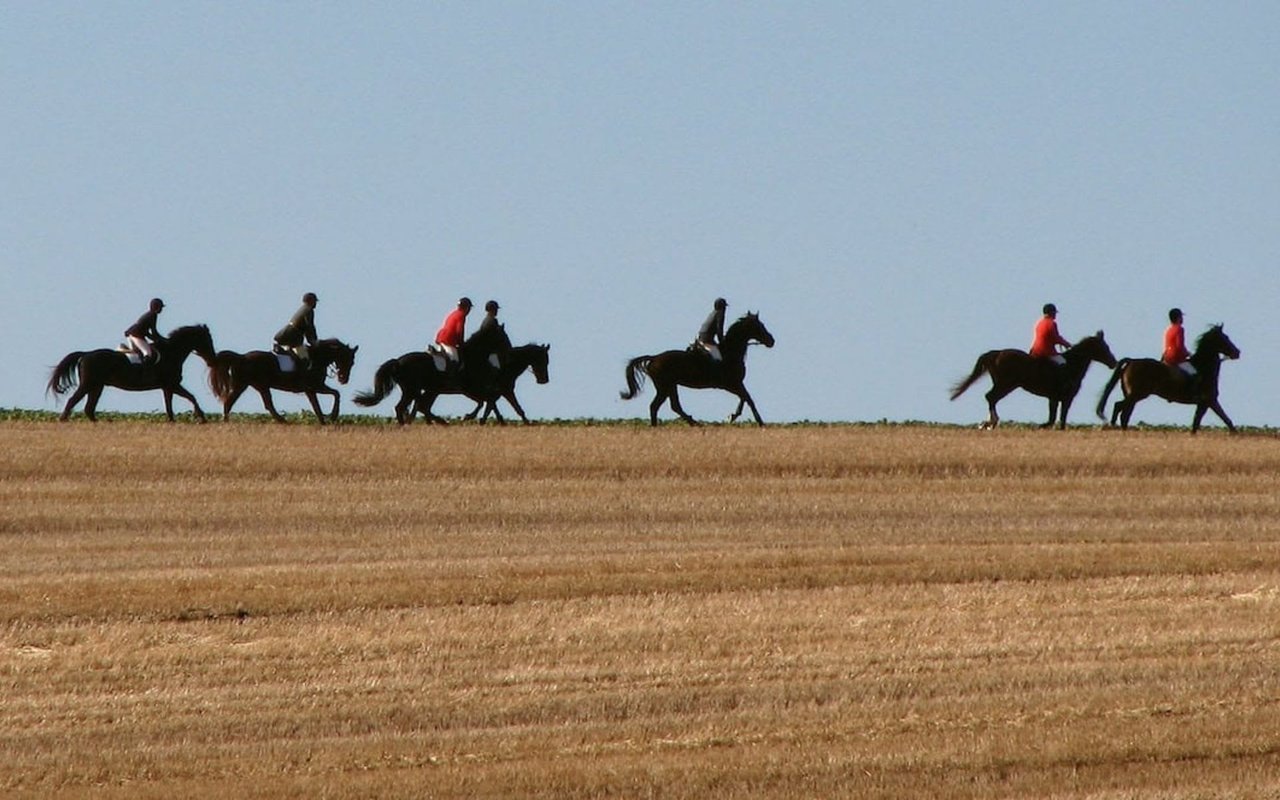
Fauquier County’s local trail resources include multi-use greenways and the Stafford Farm Trail, and RideFauquier maps equestrian trail mileage at one horse park property. That tells you something important about this market: trail access and ride-out potential can be meaningful selling points when they truly exist.
If your property has direct access, nearby riding opportunities, or good road-to-trail connectivity, that should be verified and described clearly. It is not a universal value driver, but for the right buyer it can make your property stand out.
Build a Better Pre-Listing Package
Before your property hits the market, it helps to assemble the facts that support your pricing and positioning. In Fauquier County, sellers should make sure tax records, land-use status, and farm documentation are aligned through the Commissioner of the Revenue and relevant county departments.
A stronger pre-listing package often includes:
- Current tax and reassessment records
- Land-use or district status details
- Available permit and zoning documentation
- Barn and outbuilding use information
- Acreage breakdown and land configuration notes
- Clear notes on trails, access, and equestrian improvements
This kind of preparation does more than answer questions. It can reduce hesitation, support value, and help qualified buyers move with more confidence.
Pricing and Positioning Work Best Together
In Fauquier County, the best pricing strategy is rarely just a number pulled from nearby acreage sales. It is a combination of market segment, legal use, land utility, equestrian function, and the lifestyle story that fits the property.
When those pieces line up, your listing feels more credible and compelling from the start. That is especially true in a market where some buyers are comparing operational horse farms and others are searching for a country property that fits a very specific vision.
If you want a horse-property sale to feel smooth and well-supported, expert guidance matters. Horse Farms & Country Homes helps sellers and buyers across Virginia Hunt Country navigate pricing, property presentation, and the details that shape value in specialized rural markets.
FAQs
How should you price a horse property in Fauquier County?
- You should price it based on its highest and best use, legal and practical horse utility, land configuration, and buyer segment rather than acreage alone.
What features matter most when selling a Fauquier County horse farm?
- Buyers often focus on usable pasture layout, fencing, barn function, arena footing and drainage, trailer access, water management, and overall property setting.
Does Agricultural and Forestal District status affect a Fauquier County horse property sale?
- Yes. It can affect buyer views on development flexibility, land preservation, and ownership costs, so it should be explained clearly in the listing.
Do permits and zoning matter when listing a Fauquier County horse property?
- Yes. Buyers may want confirmation that structures and uses align with county requirements, which can influence confidence and perceived value.
Can trail access help market a horse property in Fauquier County?
- Yes. When a property has verified ride-out potential or useful trail proximity, that can be a meaningful selling point for equestrian buyers.