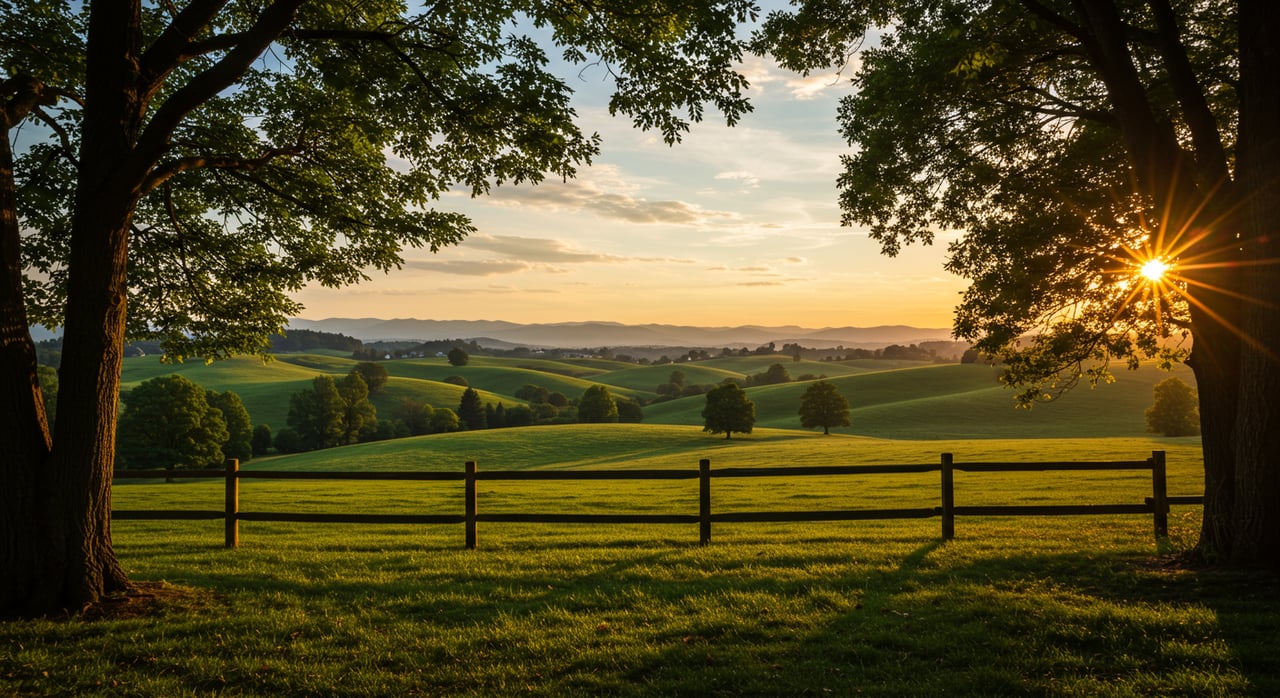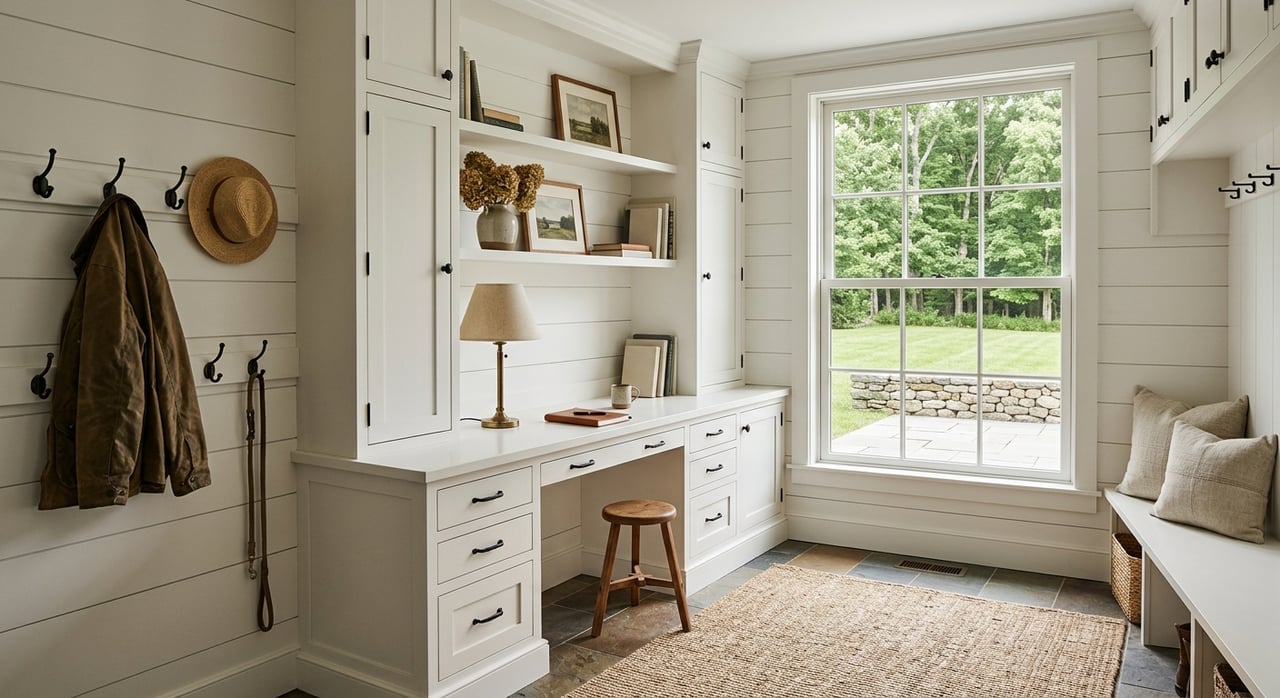
Trying to decide whether to sell or lease your Fauquier County country home? It is a bigger question than it might seem at first, especially when your property includes acreage, barns, outbuildings, or land enrolled in a special use program. In Fauquier County, your decision can affect not only your timing and finances, but also how your land is used and preserved. Let’s look at what each path can mean for you.
Why this decision is different in Fauquier
Fauquier County is shaped by its rural landscape and long-term land stewardship. County planning materials emphasize preserving agricultural and rural character, open space, and scenic beauty, and the county reports more than 200,000 acres of forested land.
That matters because a country property here is rarely just a house. It may include pasture, woodland, agricultural use, or land-use assessment that can influence both your short-term plans and your long-term value.
County guidance also ties special assessment to active use. Agricultural or horticultural land generally needs at least 5 acres, forest use at least 20 acres, and open-space use at least 25 acres.
If your property falls into one of these categories, the choice to sell or lease should start with a close review of how the land is currently classified and used.
Fauquier market snapshot
As of May 2026, public market data showed 465 homes for sale in Fauquier County and 44 homes for rent. The same data reported a median listing price of $749,900, a median sold price of $585,000, median days on market of 23, and a median rent of $2,467 per month.
Those numbers point to demand in both the sales and rental markets. Still, your best option depends less on countywide averages and more on your property’s land profile, income goals, and willingness to manage the next phase.
When selling may make more sense
Selling often fits owners who want liquidity, simplicity, and a clean transition. If you are ready to convert equity into cash, reduce maintenance, or step away from managing a larger rural property, a sale may offer the clearest path.
This can be especially true if your property requires steady upkeep. Fences, drives, fields, woods, and outbuildings can add time and cost, even when the home itself is in strong condition.
For some owners, selling also aligns with a life change. You may be relocating, downsizing, settling an estate, or moving away from the demands that come with acreage.
Tax questions to review before selling
If the property has been your primary residence, federal tax rules may allow you to exclude up to $250,000 of gain, or up to $500,000 on a joint return, if you meet the ownership and use tests.
But country properties often come with added layers. If you rented part of the home, used a cottage for income, or claimed business use tied to the property, the exclusion can become more limited, and depreciation related to rental use is generally not excludable.
That means a country-home sale is not always as simple as selling a suburban house. Before listing, it is wise to understand how prior rental or business use could affect your net proceeds.
Rollback taxes can affect your net
In Fauquier County, land-use assessment can carry important consequences when a property’s use changes. The county states that changes in use, rezoning to a more intense use, and splitting off or subdividing lots can trigger rollback taxes.
Those rollback taxes are based on the difference between land-use value and fair market value for the current year plus the previous five tax years, plus simple interest. Fauquier’s current real estate tax rate is $0.895 per $100 of assessed value, and the county reassesses real property every four years.
If you are planning to sell acreage, alter parcel lines, or change how the land is used before a sale, those details should be reviewed early. They can materially change what you take home at closing.
When leasing may be the better fit
Leasing can work well if you want to keep ownership while creating income and preserving flexibility for the future. For many country owners, that means holding the property now while leaving open the option to sell later, keep it in the family, or maintain a productive rural use.
This path can be appealing when the land itself is part of your long-term plan. If you care deeply about stewardship, future optionality, or keeping the property active, leasing may support those goals better than an immediate sale.
Leasing a residence in Virginia
If you rent the property as a residence, Virginia law says a landlord should offer a written rental agreement and provide the tenant-rights statement from the Department of Housing and Community Development. If no written agreement is offered, default terms can apply by operation of law.
For a country property, clear written terms are especially important. Acreage, outbuildings, gates, access roads, and shared spaces can create confusion if the lease does not spell out who can use what and who is responsible for maintenance.
Leasing farmland or acreage
If your property includes fields, paddocks, woodland, or working agricultural ground, the lease terms need even more care. Virginia Tech Extension recommends using a written lease and making clear that the arrangement is not a partnership.
Its checklist suggests covering:
- The property description
- Permitted uses
- Lease term
- Extension and termination terms
- Rent and payment timing
- Access rights
- Conservation practices
- Responsibilities for manure, roads, water gaps, and repairs
- Liability and hazard insurance
These points matter because rural leases often involve more than occupancy. They may affect the land’s condition, how improvements are handled, and whether the property stays aligned with your future plans.
Leasing can complicate a later sale
Many owners assume they can lease now and sell later without much friction. In practice, a lease can affect buyer timing.
Virginia law states that in a transfer, the successor in interest can take the dwelling unit subject to the existing rental agreement for the remaining term, unless the lease or law says otherwise. That means a future buyer may have to honor the current lease.
For that reason, many owners prefer to build a sale-related termination clause into the lease from the start. If you think you may sell within the lease term, that point deserves careful planning before the agreement is signed.
Tax and recordkeeping for leasing
Leasing can create steady income, but it also creates tax reporting and recordkeeping obligations. Federal tax guidance states that rental income is taxable, and common rental expenses such as maintenance, insurance, taxes, and interest can generally be deducted.
That cash-flow potential is one reason leasing can be attractive. At the same time, you should expect annual reporting, documentation of expenses, and possible basis and depreciation issues if you decide to sell later.
For country owners, those details are often more layered than expected. A leased cottage, tenant house, or income-producing outbuilding can affect the property’s future tax picture in ways that deserve review well before a sale.
A third path: conservation-minded options
In Fauquier County, the conversation is not always limited to sell or lease. Some owners want to keep the land, protect its rural character, and still create value.
The county describes a conservation easement as a voluntary legal agreement that lets you retain ownership while conveying some property interest for conservation or historic protection. The county also offers a Purchase of Development Rights program that allows qualifying landowners to sell development rights while keeping the land in agricultural production.
County guidance says the PDR program is intended for larger bona fide agricultural properties, including land zoned Agriculture or Conservation. For some owners, these tools can align closely with the goals of preservation, stewardship, and long-term family planning.
How to decide what fits your property
The best choice usually comes down to your priorities. A country home with acreage is both a residence and a land asset, so your answer should reflect both sides of the property.
Selling may fit if you want:
- A clean exit from ownership
- Access to equity now
- Less maintenance and oversight
- Simpler future planning
- To avoid ongoing lease management
Leasing may fit if you want:
- To retain ownership
- Ongoing income potential
- Future flexibility
- Continued productive use of the land
- More time before making a permanent decision
Conservation tools may fit if you want:
- To preserve rural character
- To keep qualifying land in agricultural use
- To explore options beyond a traditional sale
- To balance stewardship with financial planning
Why local property guidance matters
Two country homes on the same road can have very different answers to this question. Acreage, zoning, land-use status, rental history, parcel layout, and outbuilding use can all change the right strategy.
That is why broad advice is rarely enough in Fauquier County. You need a plan built around your specific property, your goals, and the practical details that affect value and timing.
At Horse Farms & Country Homes, that kind of planning is central to the process. Whether you are weighing a sale, exploring a lease strategy, or trying to understand how stewardship goals fit into your next move, the right guidance starts with a clear read on the land as well as the home.
If you are considering your next step with a Fauquier County country property, connect with Horse Farms & Country Homes for thoughtful guidance tailored to your home, acreage, and long-term goals.
FAQs
What should you review before selling a Fauquier County country home?
- You should review the property’s current land use, any rental or business use, possible rollback-tax exposure, and whether parcel changes or subdivision plans could affect your net proceeds.
What makes leasing a Fauquier County country property different from leasing a typical house?
- Country properties often include acreage, outbuildings, private roads, gates, and shared access points, so the lease should clearly define permitted uses, maintenance duties, insurance responsibilities, and termination terms.
Can leasing a Fauquier County home affect a later sale?
- Yes. Under Virginia law, a successor in interest can take the dwelling unit subject to the existing rental agreement for the remaining term unless the lease or law provides otherwise.
When do rollback taxes matter for Fauquier County land?
- Rollback taxes can matter if land in land-use assessment changes use, is rezoned to a more intense use, or is split off or subdivided, because the county may recapture tax benefits for the current year and the previous five tax years, plus interest.
Are there options besides selling or leasing a Fauquier County farm or country home?
- Yes. Depending on the property, you may want to explore conservation easements or the county’s Purchase of Development Rights program if preserving rural character and agricultural use is part of your goal.