In Fauquier County, the thing that actually decides whether a historic farmhouse can gain a bedroom is not the lot size, the zoning district, or the buyer's renovation budget. It is a number stamped on a Health Department permit that may not have been touched since the Ford administration. That number is the septic system's rated bedroom capacity, and it governs what the county will let you build long before any contractor picks up a hammer.
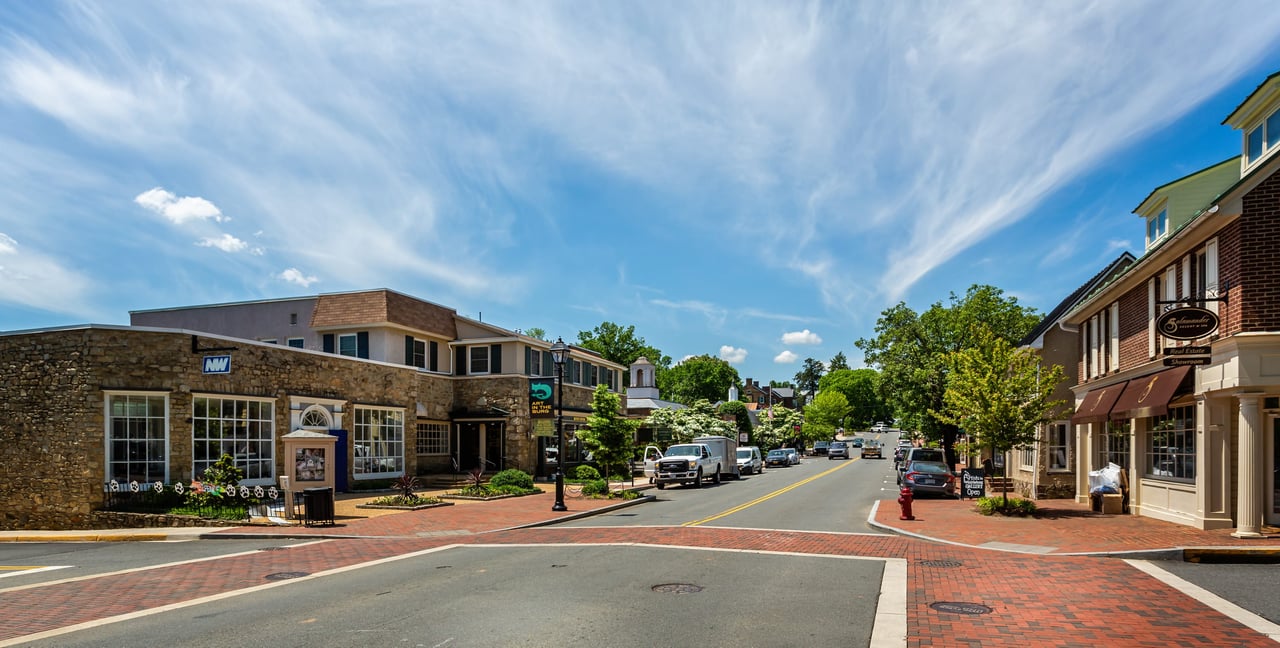
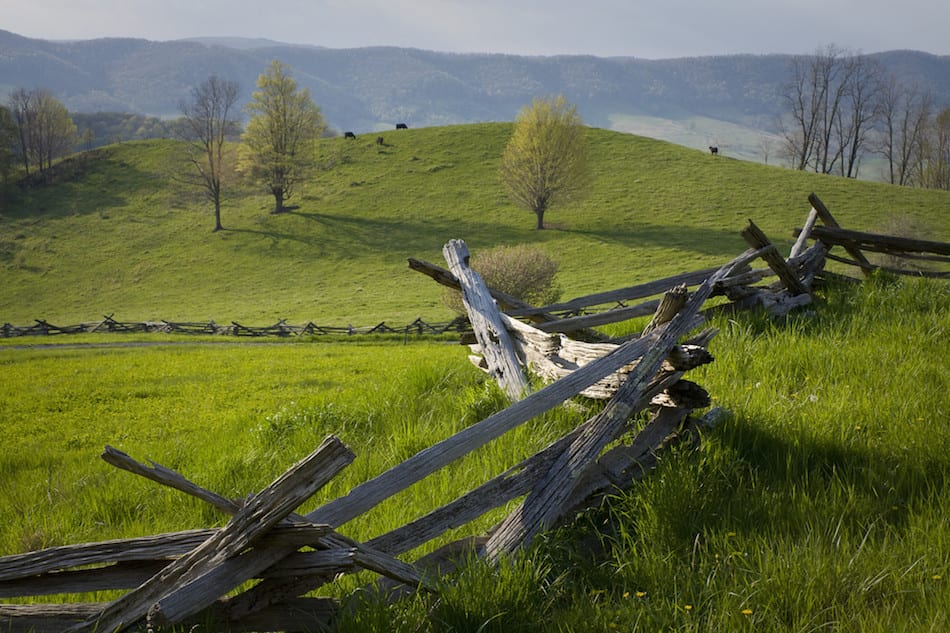
This matters most in the corridor of large historic properties, working farms, and country residences along Route 55 and Route 245 west of The Plains village center, and in the similar pockets around Marshall and Warrenton. These are homes that have been added onto, subdivided into apartments, converted back, and expanded again across three or four generations of ownership. What they often have not done is update the paperwork that tells the county how much wastewater the property is legally allowed to produce.
What "Bedrooms" Actually Means to a Septic System
Every private septic system in Virginia is designed and permitted around a specific bedroom count. That count is not about counting closets or measuring square footage. It is a proxy for occupancy, because occupancy is what determines how much wastewater the tank and drainfield need to handle on an average day. A system sized for a three bedroom house is engineered around three bedrooms' worth of daily flow, and the tank, distribution box, and drainfield are all built to that math.
That number is fixed at the time of permitting. It does not update itself when a family finishes a basement, converts a sleeping porch into a fourth bedroom, or builds an addition over the garage. Unless someone applies for a new septic permit reflecting the change, the system's legal capacity stays exactly where it was when the original construction permit was issued, even if the house has quietly grown around it for fifty years.
Why Older Fauquier Properties Carry This Risk
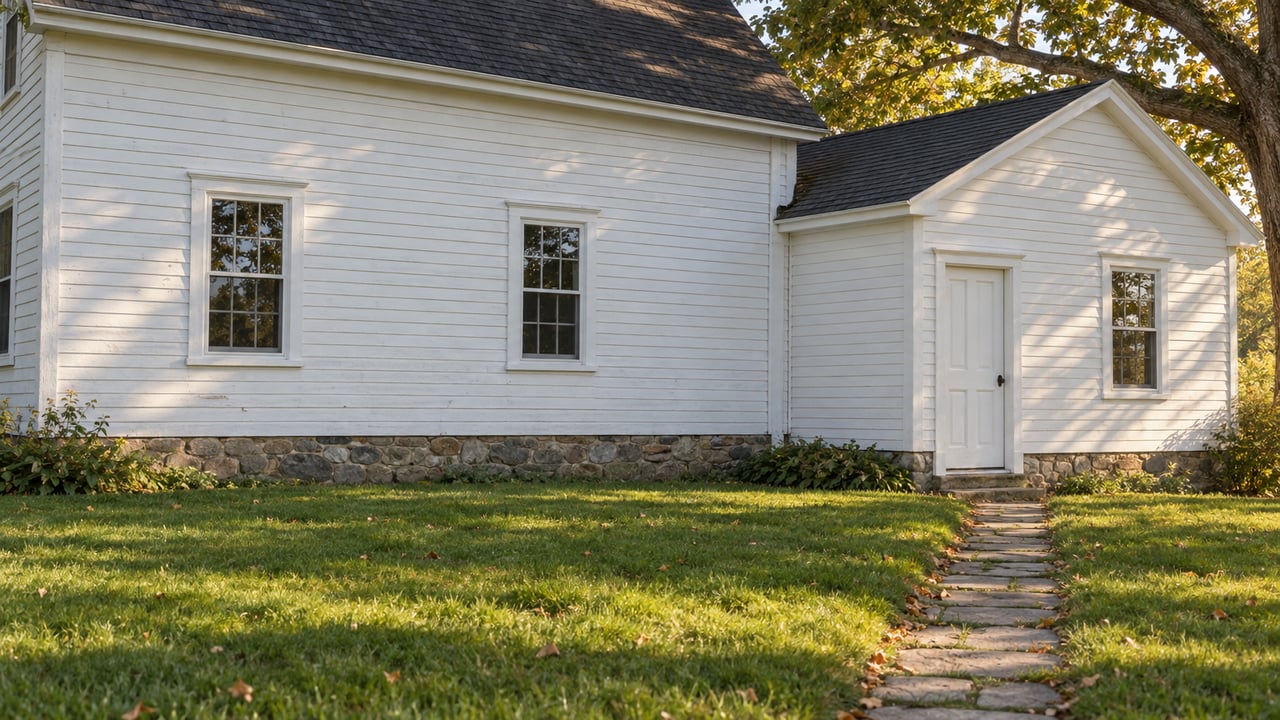
New construction rarely runs into this problem, because the septic system and the house are permitted together from the start. The exposure is concentrated in older rural properties, and Fauquier has plenty of them. Multi-generational farmhouses along Route 55 and Route 245 have frequently been renovated or expanded over decades, often informally, with additions layered on by different owners who were not necessarily thinking about what the Health Department's file said. A house can look like a comfortable five bedroom property on a walkthrough and still be sitting on a septic system permitted for three.
Nobody notices the gap until someone tries to formalize the extra bedrooms, whether that means a buyer planning a primary suite addition or a seller who wants to list the home at its current, larger configuration.
The Paper Trail the County Actually Checks
Fauquier County's own building permit requirements spell this out plainly. Anyone applying to add bedrooms on a property served by private well and septic must submit a copy of the Health Department's construction permit showing the total number of bedrooms the system is rated for, or a completed Safe, Adequate and Proper form from the Health Department office. Without that paperwork, the county will not issue the building permit, no matter how solid the architectural plans are.
Getting that documentation, or getting the system upgraded if the numbers do not match, runs through the same statewide process regardless of where in Virginia the property sits. A Fauquier property owner starts by hiring an Authorized Onsite Soil Evaluator, a DPOR-licensed professional who digs test pits, examines soil horizons, and determines whether the site can support the proposed system. Evaluators working Northern Virginia counties like Fauquier and Loudoun tend to charge toward the higher end of the range, typically $800 to $1,200, against a statewide range closer to $500 to $1,200. Once that evaluation is filed, the Virginia Department of Health charges its own construction permit fee, currently $425, on top of the AOSE cost and before any actual system work begins. Total costs before construction starts typically land between $925 and $1,700. The full process, from hiring the evaluator to holding a construction permit, usually takes four to twelve weeks, and Northern Virginia sites can run longer.
If the existing system genuinely cannot support the additional bedrooms and a new drainfield or expanded system is required, the price climbs. A straightforward conventional system in Virginia typically installs for $8,000 to $15,000, but sites with difficult soil, which is common across the county's clay-heavy Piedmont geology, can require alternative systems running $20,000 to $55,000. That is not a cost anyone budgets for when they are pricing kitchen cabinets and paint colors.
Fauquier's Health Department also holds owners to ongoing maintenance standards that matter here. County code requires septic tanks to be pumped at least every five years, which means a system's condition, not just its rated capacity, is part of the record a buyer should want to see before writing an offer on an older property.
What This Means If You're Buying
The number that matters is not what you count on a walkthrough. It is what the county has on file. Septic system records are available at the Local Health Department upon request, and pulling that file before finalizing an offer is the single cheapest form of due diligence available on a property like this. If the house shows five bedrooms and the septic file says three, that gap is either a future expense, a future limitation on how the home can be marketed, or both.
This is especially relevant for buyers drawn to Fauquier specifically because of its stock of historic properties with room to grow. The renovation potential that makes an older farmhouse appealing is the same feature that makes it worth confirming what the septic system is actually rated for before falling in love with the floor plan you're imagining.
What This Means If You're Selling or Renovating First
If bedrooms were added informally over the years, the fix is not cosmetic. It means engaging an AOSE, filing for either a repair permit or a voluntary upgrade with the Virginia Department of Health, and getting the system's rating brought into alignment with the home's actual configuration. Repair permits run $250 and voluntary upgrades run $300, both far cheaper than the full new-construction permit fee, but only if the underlying system and soil can support the higher bedroom count without a full rebuild.
Sellers who resolve this before listing remove a variable that would otherwise surface during a buyer's own due diligence or, worse, during a future owner's renovation permit application. Sellers who don't should expect the conversation to happen anyway, just later and with less control over the terms.
A Few Common Questions
Does a home office or bonus room count as a bedroom for septic purposes? Virginia's septic sizing is based on the design and potential use of a room rather than its current label. A room with a closet and an egress window that could function as a bedroom is generally treated as one for permitting purposes, even if the current owner calls it a study. This is a question worth asking your AOSE directly rather than assuming a name on a floor plan settles it.
Can you upgrade the septic system instead of scaling back an addition? Often yes, provided the soil on the property can support a larger system. That typically means a new AOSE evaluation to confirm site suitability, followed by either a conventional system with additional drainfield capacity or, on more difficult soil, an alternative system. The cost difference between those two outcomes is significant enough that it is worth confirming before finalizing addition plans rather than after.
How do you find out what a specific property's septic system is rated for before making an offer? Septic system records, including the original construction permit and its bedroom rating, are available at the local Health Department upon request. Requesting that file during a due diligence period, alongside a standard home inspection, is the most direct way to confirm what a property can support before you own it.
Buying or renovating a country property in Fauquier means looking past the floor plan on the day of the showing and toward the paperwork that actually governs what that floor plan is allowed to become. That is exactly the kind of groundwork Horse Farms & Country Homes walks clients through before an offer goes in, so the septic file never becomes the reason a renovation stalls at the permit counter.