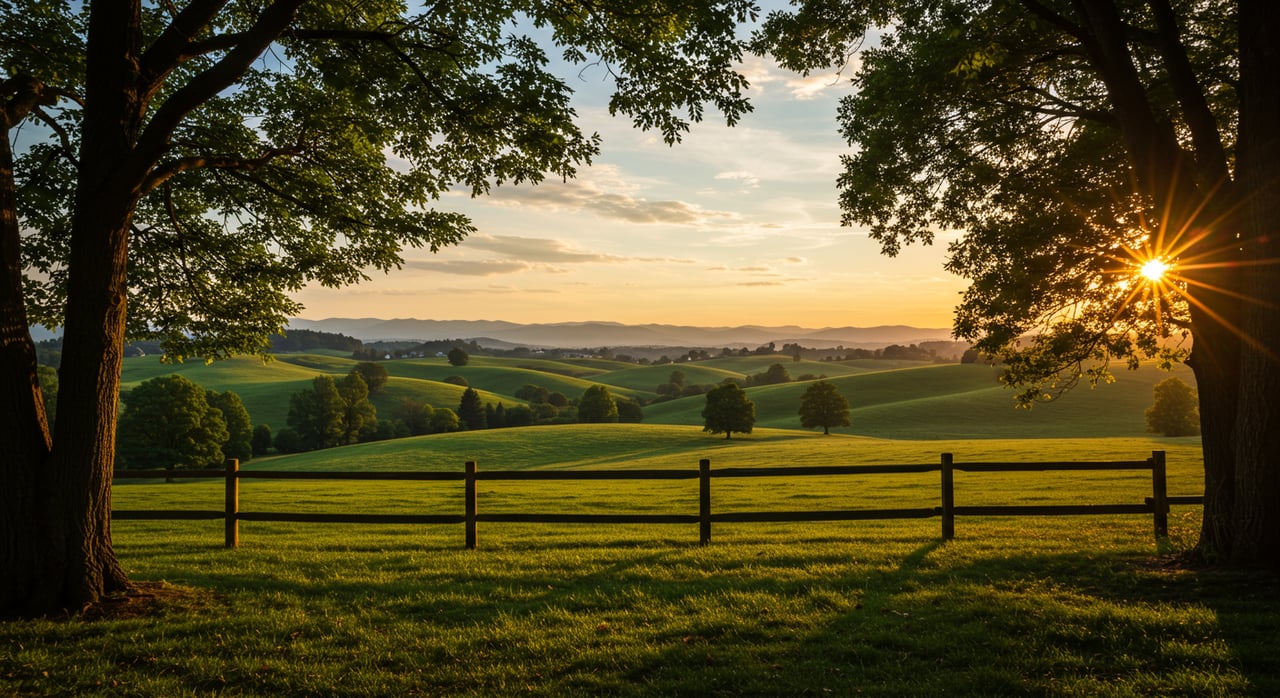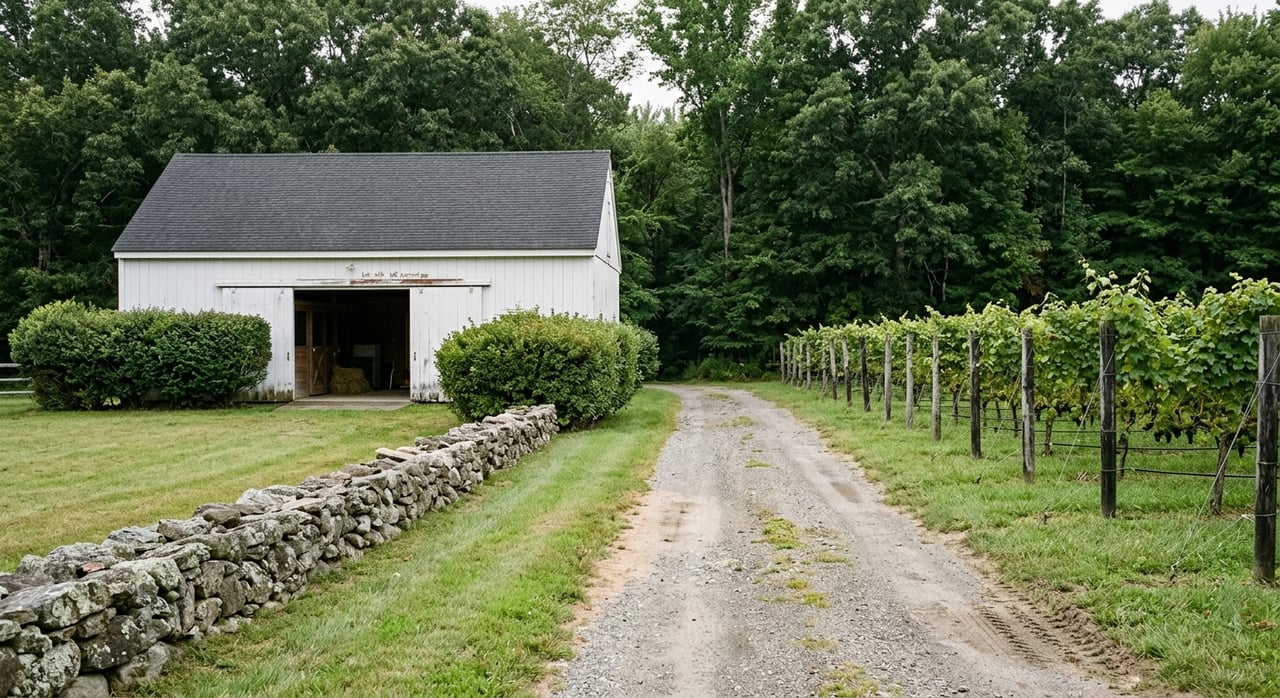
If you have ever wondered whether a Fauquier County property can support both vines and horses, the short answer is yes, but the real answer is more nuanced. In this part of Northern Virginia, rural estates often sit within a landscape shaped by agriculture, conservation, and long-term land stewardship. If you are considering a vineyard, a horse property, or a blended estate, understanding how the county works can help you buy with more confidence. Let’s dive in.
Why Fauquier County Fits Both Uses
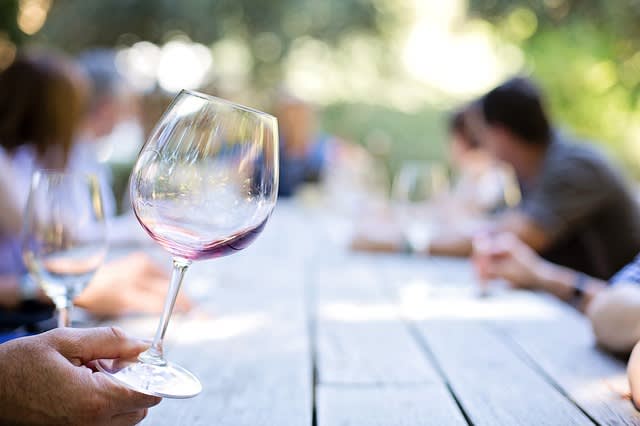
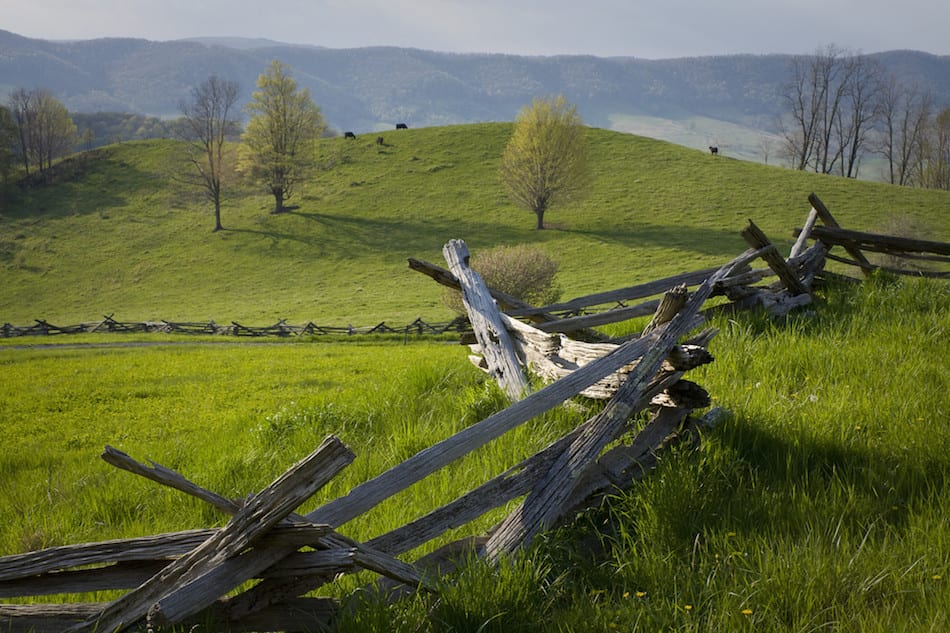
Fauquier County is part of Northern Virginia wine country, where Virginia Wine describes rolling hills, rich soils, moderate winters, and good air drainage that support grape growing. The county is also tied to the broader Middleburg Virginia AVA landscape, which includes both Fauquier and Loudoun counties.
That natural setting matters, but so does local policy. Fauquier treats viticulture and equestrian activity as established parts of its rural economy, supported by county resources such as the Farm Product Directory and Agricultural Advisory Committee. For buyers, that means you are looking at a county where these uses are part of the local land-use framework rather than unusual exceptions.
How Rural Zoning Shapes Estates
The first thing to understand is zoning. Fauquier’s rural districts include RC, RA, and RR-2, with agriculture and forestry identified as preferred uses in the rural districts.
RA is described as the district where agriculture and forestry are predominant. RC places more emphasis on conservation and very low-density residential use. That distinction can affect how a property functions over time, especially if you are thinking about barns, vineyard blocks, visitor activity, or future improvements.
County planning materials also show how strongly Fauquier leans toward preservation. RA and RC together cover about 80% of the county, and larger parcels may be subject to open-space requirements under the county’s sliding-scale density system. On some parcels over 30 acres, that system can require 85% of the acreage to remain in recorded open-space easement.
For many buyers, that is part of the appeal. The same rules that limit certain kinds of expansion can also help preserve the rural landscape that makes Fauquier so desirable in the first place.
What Vineyard Properties Look Like
Vineyard properties in Fauquier are not one-size-fits-all. The county’s 2026 Farm Product Directory vineyard listings show a range from 1 acre to 75 acres, which suggests a mix of small plantings and larger estate vineyard operations.
In practical terms, you may see several formats:
- A residence with a modest vineyard component
- A larger agricultural parcel with room for expanded grape production
- A property that combines vineyard acreage with tasting, event, or hospitality-oriented spaces where permitted
The key point is that a vineyard can mean very different things depending on scale. Some properties are primarily lifestyle-oriented, while others are structured more intentionally around production and public-facing business activity.
What Horse Estates Look Like
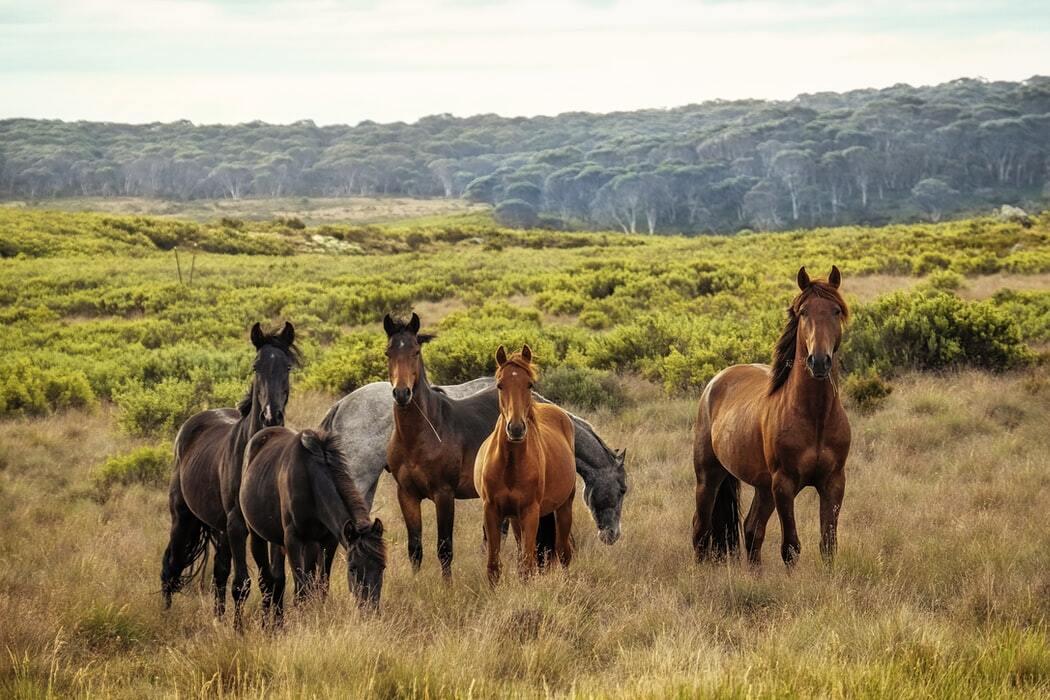
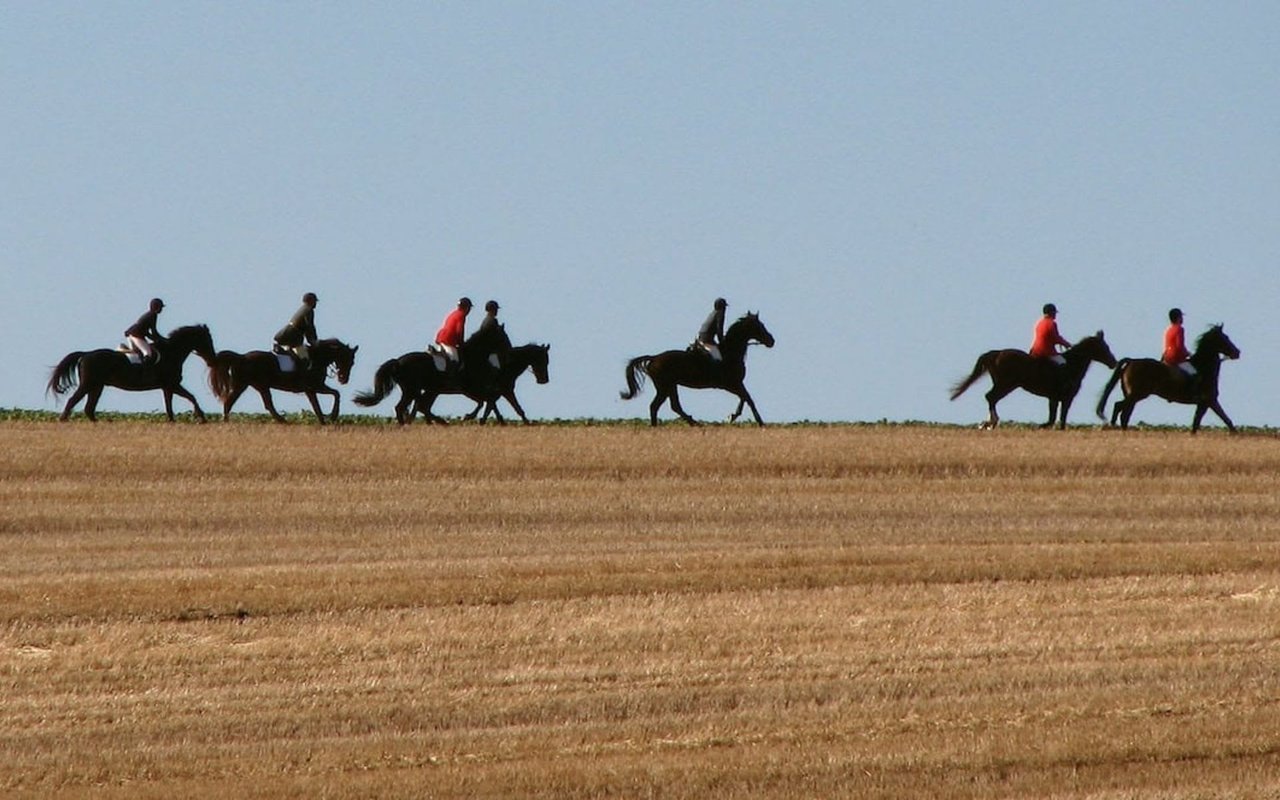
Horse properties in Fauquier also span a wide range. The county’s horse and horse-service directory entries include boarding, training, breeding, dressage, hunter shows, and a 550-acre pasture-boarding operation with 24 miles of fencing.
That variety tells you something important as a buyer. A Fauquier horse estate may be a manageable private setup with a barn and paddocks, or it may be a larger operational property with more extensive infrastructure. The right fit depends on how you plan to use the land, how much management you want, and whether the property’s layout supports your goals.
Can One Parcel Support Vines and Horses?
Often, yes. Because county code treats horse farms and farm wineries as agricultural uses, a mixed-use estate can be plausible on suitably zoned land. Still, whether both uses work on a specific property depends on the parcel itself.
That is where details matter most. Size, topography, road access, water availability, septic capacity, fencing layout, and traffic considerations can all influence whether a property can practically support both horses and vineyard operations. A property may look ideal from the road but still need careful review before you assume it can do everything you want.
The Difference Between a Vineyard and a Winery
This is one of the biggest points of confusion for buyers. Growing grapes and operating a winery are not automatically the same thing.
Under Fauquier County code, a farm winery is an agricultural use that is licensed as a farm winery, has a current county zoning permit, and grows and harvests grapes on the farm. If an owner wants extended hours or events, the county requires an administrative permit and provides adjoining property owners a 30-day comment period.
At the state level, Virginia ABC regulates farm winery licenses. For you as a buyer, the takeaway is simple: a parcel with vines is not automatically approved to function as a winery business. If your vision includes wine production, tastings, retail sales, or events, you need to verify both county and state requirements.
Permits Buyers Should Review Early
Rural property buyers often focus first on acreage, views, barns, or house condition. Those matter, of course, but permits and approvals should be part of your early review too.
Fauquier states that a zoning permit is required before any structure is placed on a property and before a new use begins, although agriculture, horticulture, and forestry have some general exceptions for use changes. Agricultural buildings still require zoning approval.
The county also notes that some agricultural structures under 256 square feet may be permit-exempt, though they still must comply with setbacks. Clearing fields or pastures for agricultural use does not require a zoning permit.
On the building side, certain farm structures may be exempt from building-code requirements if they are used primarily for farm purposes and do not include residential space, food service, or certain floodplain conditions. That can be helpful, but it is never a substitute for property-specific diligence.
Agritourism and Event Potential
Many buyers are drawn to the idea of more than just private enjoyment. A vineyard or horse property may also have business potential through tours, tastings, riding events, or seasonal gatherings.
Virginia Cooperative Extension defines agritourism broadly to include recreational, entertainment, and educational activities on farms and ranches, including wineries and ranching operations. In Fauquier, that matters because event use and public-facing activities can be a meaningful part of an estate’s value and function.
That said, public use changes the compliance picture. Traffic, parking, hours, and administrative permits can all come into play, especially if the property shifts from private agricultural use to a visitor-oriented operation.
Preservation Matters in Fauquier
One reason many buyers choose Fauquier is the sense that the landscape is likely to stay rural. That feeling is not accidental.
The county supports 13 Agricultural and Forestal Districts covering about 80,000 acres. In general, parcels must be at least 25 acres to participate, and once included, no lot smaller than 50 acres may be subdivided from the parcel except in limited cases.
Fauquier also has broader preservation tools. Its Purchase of Development Rights program allows landowners to voluntarily sell development rights while continuing to own and use the land, and conservation easements generally require RA or RC zoning, bona fide agricultural use, and more than 50 acres.
These programs can be a major benefit if your priorities include privacy, open land, and long-term stewardship. They can also limit flexibility, so you will want to understand recorded easements, subdivision restrictions, and future use limits before you buy.
Tax and Stewardship Considerations
If you are buying acreage, taxes are part of the conversation. Fauquier’s land-use assessment program may reduce real estate taxes for qualifying agricultural or horticultural land of at least 5 acres.
That can be a meaningful advantage, but it comes with responsibility. Owners must document bona fide production, and a change in use can trigger rollback taxes. In other words, tax treatment and land stewardship are closely connected.
For vineyard and horse-estate buyers, this is part of the bigger picture. A beautiful rural property is also an operating piece of land, and the long-term ownership experience usually works best when you go in with clear expectations.
What Smart Buyers Verify First
Before you move forward on a vineyard or horse estate in Fauquier County, focus on the basics that shape real-world usability:
- Exact zoning district and allowed uses
- Any recorded easements or preservation restrictions
- Agricultural and Forestal District participation, if applicable
- Existing permits for barns, winery functions, or event activity
- Water, septic, and access capacity
- Layout suitability for vines, paddocks, arenas, or visitor traffic
- Land-use tax status and filing requirements
This kind of review is especially important if you are relocating or buying a property with a future business component. The goal is not just finding a beautiful place. It is finding one that fits how you actually plan to live, operate, and steward the land.
Why Local Guidance Matters
In Fauquier County, the most successful purchases usually happen when lifestyle vision and land reality match. A property may have the scenery, charm, and acreage you want, but the right fit still comes down to details like zoning, infrastructure, and long-term use.
That is why specialized local guidance matters, particularly for vineyard properties, horse farms, and mixed-use rural estates. When you understand both the land and the rules that shape it, you can make decisions with more clarity and far fewer surprises.
If you are exploring vineyards, horse farms, or country estates in Fauquier County, Horse Farms & Country Homes can help you evaluate lifestyle fit, land-use considerations, and the practical details that matter most.
FAQs
What makes Fauquier County suitable for vineyards and horse estates?
- Fauquier County combines a wine-friendly growing environment, established agricultural zoning, and preservation-focused rural planning that supports both viticulture and equestrian uses.
Can a Fauquier County property have both a vineyard and horse facilities?
- Often yes, but the parcel still needs the right zoning, layout, access, water, septic capacity, and permits for the uses you want.
What is the difference between a Fauquier County vineyard and a winery?
- A vineyard grows grapes, while a winery business requires county zoning approval and a state farm winery license if wine production, sales, or public use are involved.
Do agricultural buildings in Fauquier County need permits?
- Many agricultural projects still require zoning approval, and some farm structures may also qualify for specific building-code exemptions depending on their use.
How do conservation programs affect Fauquier County rural estates?
- Conservation easements, Agricultural and Forestal Districts, and development-rights programs can help preserve rural land but may also limit subdivision, expansion, or future changes in use.
Can land-use assessment reduce taxes on a Fauquier County farm property?
- Yes, qualifying agricultural or horticultural land of at least 5 acres may receive land-use assessment, but owners must meet documentation requirements and understand possible rollback taxes if use changes.