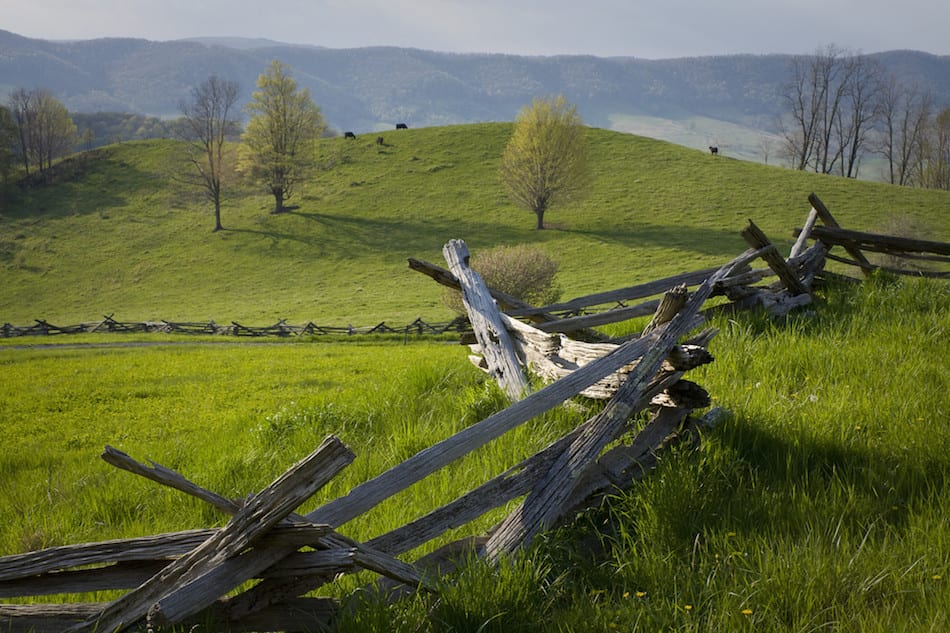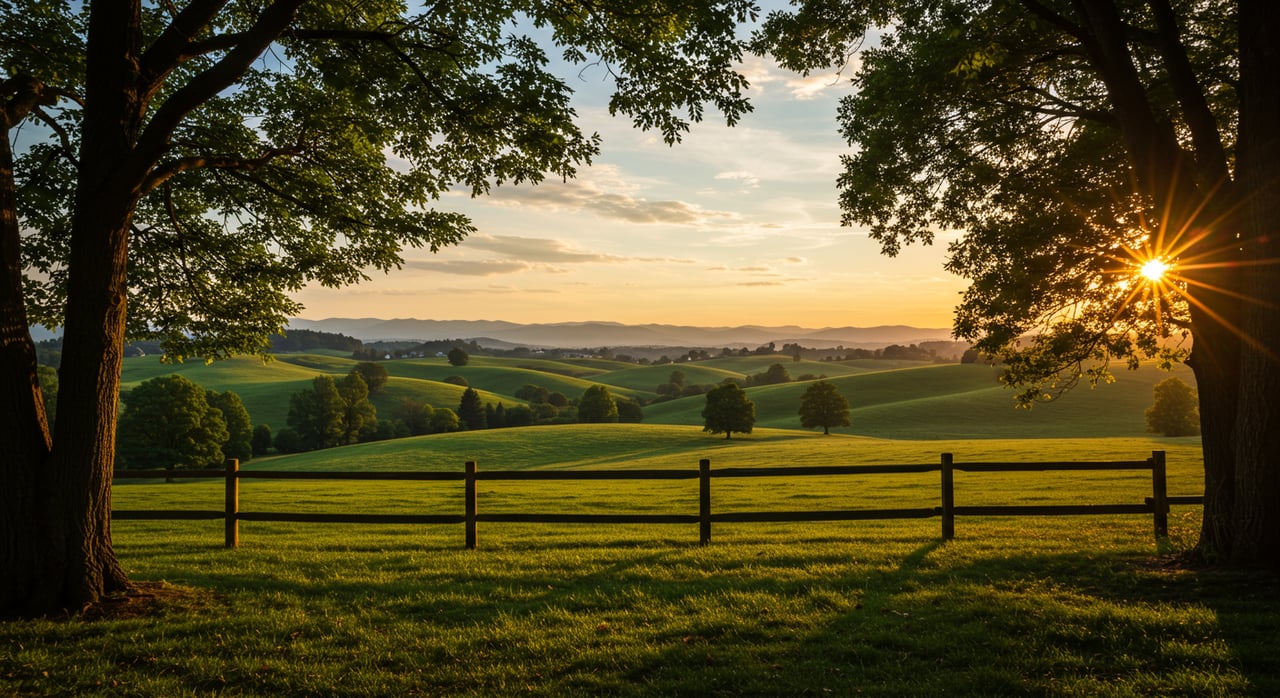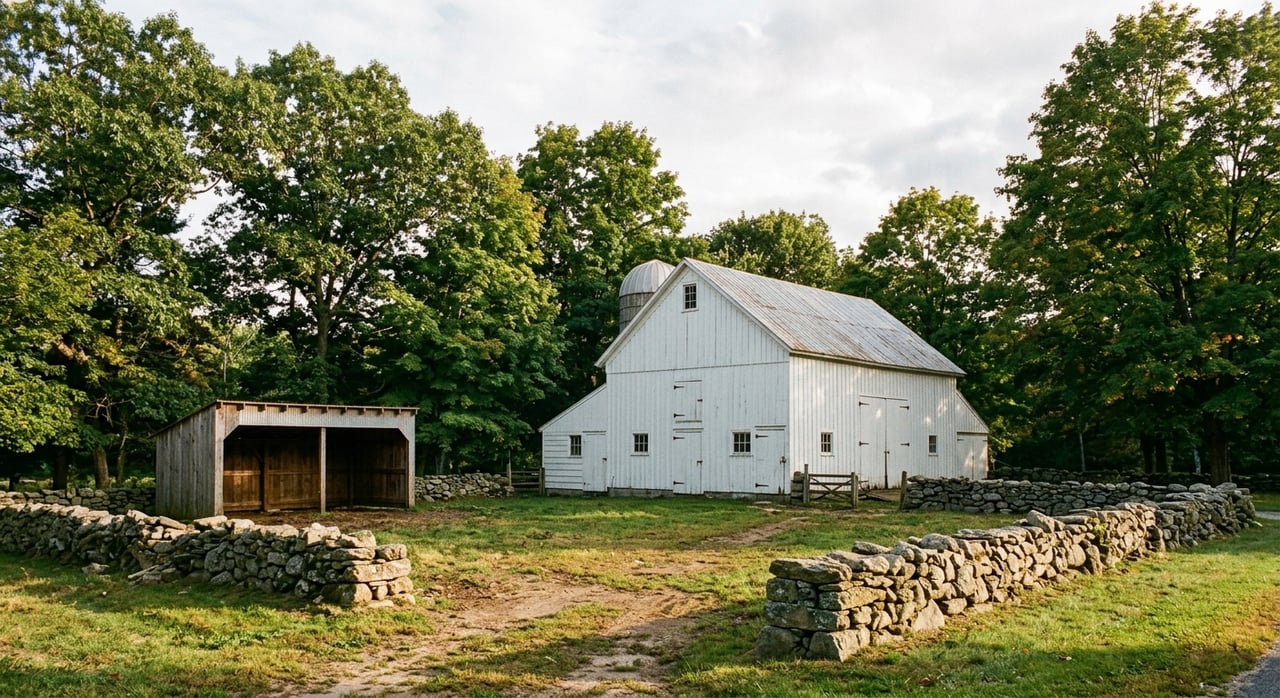
If you have ever fallen for a pretty barn and a few rolling fields, you already know how easy it is to mistake a horse property’s charm for true function. In Fauquier County, a horse farm needs to do more than look the part. It should support your daily routine, fit the land well, and work within local zoning and rural-use expectations. This guide will help you evaluate what really matters so you can buy with more confidence. Let’s dive in.
Why Fauquier County Horse Farms Stand Out
Fauquier County is not just scenic Virginia countryside. The county’s rural land-use plan recognizes equine activity as an important part of the local economy, and well-known events like the Upperville Colt & Horse Show, Warrenton Horse Show, and Great Meadow steeplechase tradition reflect that long-standing horse culture.
That matters because when you buy here, you are stepping into an active equestrian network. The county farm directory includes horse-related services such as boarding, training, breeding, lessons, consignment sales, and hunter shows in communities like Delaplane, Goldvein, Marshall, Middleburg, Upperville, and Warrenton. In practical terms, that can add real value to a property beyond the acreage itself.
Start With Land Use And Permits
Before you focus on stalls or fencing, look at how the property fits Fauquier County’s rural framework. The county places strong emphasis on rural character and viewsheds, so the location of barns, sheds, arenas, lighting, and fencing affects both day-to-day use and long-term fit with the land.
If you plan to build or expand, do not assume every agricultural structure is automatically simple to add. Fauquier County says zoning approval is required before new structures are built, including agricultural buildings. Some qualifying farm buildings may be exempt from building permits, but they can still need zoning setbacks and land-disturbance compliance.
A zoning permit is generally required unless a structure is under 256 square feet. Even then, setback and floodplain rules can still apply. That makes it important to confirm what is already approved and what future improvements may require.
Key permit questions to ask
- Is the barn, arena, or run-in shed already permitted?
- Will future work require a zoning permit, land-disturbing permit, or both?
- Are there setback, floodplain, or drainage restrictions on the site?
- Were any farm structures added without full county review?
Check Drainage Before Anything Else
In Fauquier County, drainage is not a small detail. It affects turnout, footing, maintenance costs, and how pleasant the property will be through wet seasons. A field that looks usable on a dry day can become a management problem if water sits in low areas or flows through key traffic paths.
The county’s stormwater rules are designed to limit erosion and protect water quality. For you as a buyer, that means it is wise to study the land carefully for low spots, drainage swales, floodplain issues, and worn areas around gates, barns, and arenas.
A useful horse farm often places buildings and high-traffic areas on higher, drier ground. If the property lacks that, you may be signing up for ongoing mud control, footing repairs, and more wear on pasture.
Evaluate The Barn For Daily Flow
A barn should make horse care easier, not harder. A good first test is whether the layout supports the basics of horse welfare: water, food, proper handling, health care, and an environment suited to how the horses are used.
That sounds simple, but it affects everything from how quickly you can feed to how safely a farrier or veterinarian can work. The barn should be easy to reach with trailers and equipment, close to turnout, and designed around practical movement rather than looks alone.
Look at how horses, people, feed, tack, and manure move through the space. If routine tasks create bottlenecks, the property may feel less functional every day you own it.
Barn features worth reviewing
- Safe, direct access to turnout
- Easy trailer and equipment approach
- Practical feed, tack, and manure flow
- Convenient wash-rack placement
- Secure latches and sturdy hardware
- Aisles wide enough for safe daily movement
Look Closely At Stall Design
Stalls should be functional first. Extension guidance identifies 12-by-12 feet as the standard stall size, with sturdy walls and doors and no gaps that could catch a hoof.
When you tour a property, check more than the stall count. A barn with attractive finishes can still have poor dimensions, awkward doors, weak partitions, or unsafe openings. Those details matter more than decorative touches.
Also consider whether the stall layout matches your actual use. Horses in regular work, layups, breeding situations, or temporary quarantine may all benefit from slightly different setup priorities.
Do Not Overlook Ventilation
Ventilation is one of the most important parts of barn design, and one of the easiest to miss on a quick showing. In Virginia’s humid weather, stale air can make a barn much harder to manage.
Penn State Extension recommends fresh-air openings, open stall partitions, and no overhead hay storage so air can circulate to the horse. If you notice strong ammonia smell, dark enclosed aisles, or heavy still air, take that as a warning sign.
A healthy-feeling barn usually smells clean, feels open, and allows air to move without creating a draft problem. That kind of setup supports comfort and can reduce long-term management headaches.
Scrutinize Arena Footing And Base
Arenas deserve the same attention as barns. Good footing should cushion, provide traction, and avoid being too slick, dusty, or abrasive. Just as important, the footing is only as good as the base underneath it.
Ask whether the arena was built with a compacted base and sub-base or whether it is simply top dressing over native soil. That one answer can tell you a lot about future maintenance costs and year-round usability.
For outdoor arenas, drainage along the fence line also matters. If footing builds up at the edges or water does not move away properly, the surface can become inconsistent and harder to maintain.
Arena questions to ask
- Was the arena built on a compacted base and sub-base?
- How often is the footing dragged, watered, or topped off?
- Has the footing ever needed major replacement?
- Does the path from barn to arena stay usable in wet weather?
Study Turnout Like An Operator
Turnout is not just a nice visual feature. It is a core part of horse management. A property may offer plenty of acreage but still fall short if the usable turnout stays wet, sits on steep slopes, or lacks practical access.
Extension guidance recommends avoiding wet areas and steep slopes for pasture use and placing buildings and animal-use areas on higher ground. Higher, drier all-weather paddocks and sacrifice areas can make a major difference when weather turns poor.
In Fauquier County, rolling terrain is part of the appeal, but it can also hide weak turnout planning. If low areas stay soft, your pasture may function more like seasonal scenery than dependable horse ground.
Turnout details to review
- Enough high, dry turnout for regular use
- A true sacrifice paddock or all-weather turnout area
- Safe and practical fencing and gate placement
- Water access that works in all seasons
- Tractor access for maintenance
Understand Pasture Capacity And Stewardship
Pasture management is a major part of horse farm ownership. University of Minnesota Extension notes a general benchmark of about two acres of pasture per grazing horse to reduce hay dependency during the growing season, though actual needs vary with forage quality and management.
That does not mean every two-acre section is equal. You should look at grass cover, drainage, traffic wear, and whether the farm has enough flexibility to rest and rotate sections of pasture.
Fauquier County’s rural plan also warns that too many animals on small acreage can damage grazing land and nearby water resources. If the land is already stressed, you may inherit a restoration project instead of a turnkey setup.
Review Shelter, Water, And Waste Management
Pasture-kept horses still need reliable basics. Extension guidance recommends constructed sheds with roughly 100 to 150 square feet per horse, located for good drainage, oriented away from prevailing winds, and built with safe interior and exterior surfaces.
As you evaluate the property, think beyond the fence line. Is there clean water where horses actually need it? Are shelters placed in a way that avoids chronic mud? Can daily chores be handled efficiently?
Manure management matters too. Regular manure removal from stalls, paddocks, and pastures helps reduce parasite pressure and runoff concerns. A farm that lacks a practical cleanup system can quickly become more labor-intensive than expected.
Think About Access And Emergency Readiness
A horse farm should function well in ordinary moments and under stress. That means more than a pretty entry drive. You should confirm that trailers can turn around, park, and load without crossing soft ground or navigating tight, awkward angles.
Emergency planning is another smart checkpoint. Extension guidance recommends a written farm emergency action plan with maps, access routes, and a contact list that includes the veterinarian, county emergency management, Extension office, and insurance agent.
Even if the current owner does not have a formal plan, the property itself should support one. Clear access to barns, sensible organization, and space to separate horses when needed all make a real difference.
Access features that matter
- Trailer turnaround space
- Firm parking and loading areas
- Clear barn access for service vehicles
- Separate space for quarantine or injury recovery
- Logical layout for emergency response
Factor In Veterinary, Farrier, And Biosecurity Needs
A property works best when it supports the care team your horses need. Buyers should confirm the availability and drive time of a veterinarian and farrier, since regular relationships with both are part of sound horse management.
Extension guidance also notes that hoof trimming is typically needed every six to 12 weeks. A farm that is awkward to access or difficult to work from may become frustrating for the professionals you rely on most.
If you expect horse arrivals, boarders, or frequent travel, ask whether the property allows for sensible isolation and biosecurity. Guidance recommends a 30-day quarantine for new horses, physical separation from resident horses, and proof of negative EIA testing and vaccination before arrival.
Match The Property To Your Riding Life
The right farm is not just the one with the longest fence lines or the most stalls. It is the one that supports your actual routine. In Fauquier County, that may mean easy access to local showing, regular trailering, or a manageable commute between home, barn, and major roads.
Show proximity can be a real advantage here. Great Meadow in The Plains is a 374-acre equestrian park that hosts the Virginia Gold Cup. The Upperville Colt & Horse Show dates to 1853, and the Warrenton Horse Show dates to 1899. Great Meadow also notes that the venue is about 45 minutes west of Washington, D.C., and about 30 minutes from Dulles.
That regional access helps explain why road connections, trailer flow, and daily convenience matter so much. A beautiful property that adds friction to your routine may not feel beautiful for long.
Why Local Guidance Matters
Buying a horse farm in Fauquier County is part property search and part operational review. You are not only evaluating a home. You are evaluating drainage, zoning, turnout, footing, access, and how the entire place will function over time.
That is where specialized local guidance can make a meaningful difference. When you work with someone who understands Hunt Country and equestrian properties firsthand, you can move past surface appeal and focus on fit, stewardship, and long-term value.
If you are considering a horse farm in Fauquier County, Horse Farms & Country Homes can help you evaluate land, facilities, and lifestyle fit with the care and local perspective these properties deserve.
FAQs
What should you check first on a Fauquier County horse farm?
- Start with land use, permits, and drainage. In Fauquier County, zoning, setbacks, floodplain issues, and stormwater patterns can affect how the property works now and what you can add later.
How many acres do you need per horse on a Fauquier County horse farm?
- A general benchmark from extension guidance is about two acres of pasture per grazing horse to reduce hay dependency during the growing season, though actual needs depend on forage quality and management.
What barn features matter most on a Fauquier County horse farm?
- Focus on stall size, safe materials, ventilation, aisle width, access to turnout, and practical daily flow for feeding, tack, manure handling, and service providers.
Why is drainage so important on a Fauquier County horse farm?
- Drainage affects turnout, mud control, arena performance, erosion, pasture health, and year-round usability. Low or wet areas can create costly maintenance issues.
What should you ask about an arena on a Fauquier County horse farm?
- Ask about the base and sub-base, footing material, drainage, maintenance schedule, and whether the route from barn to arena stays usable in wet weather.
How do local horse events affect horse farm appeal in Fauquier County?
- Fauquier County’s active equestrian setting, including Great Meadow, Upperville, and Warrenton traditions, can make proximity to show venues, horse services, and regional roads especially valuable for buyers.