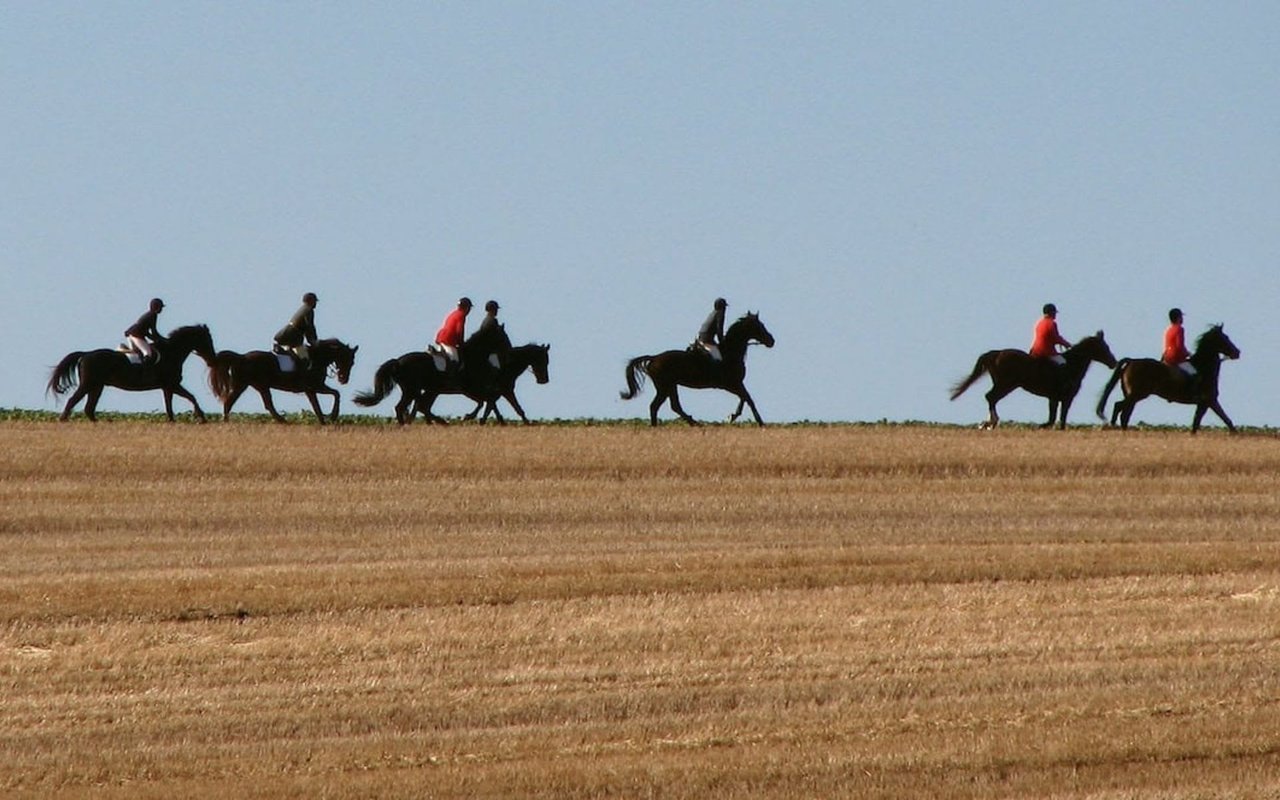
If you've lived in Fauquier County for more than one autumn, you've had the morning. Headlights catch a line of horses moving down a farm lane before the sun clears the ridge. Someone's engine idles behind them, patient, waiting for a hand signal. Somewhere off in a cut hayfield, hounds are working a scent line and nobody is in a hurry to explain why.
Most people who watch this scene assume they're seeing a reenactment. A tradition kept alive for the postcard, performed a handful of mornings a year around the holidays. That assumption is wrong, and the actual shape of the season tells you something about why this county still looks the way it does.
The Season Nobody Announces
Fox hunting in Fauquier isn't a once-a-year spectacle. The Warrenton Hunt, founded in 1887, meets Monday, Wednesday, and Saturday mornings from early September through late March at fixtures across Fauquier, Culpeper, and Rappahannock counties. That's roughly three mornings a week for seven months, not a single ceremonial outing timed for Thanksgiving photographs.
The season itself has stages, and none of them look like what outsiders picture. It opens quietly in September with cubbing, when young hounds and young foxes learn the pattern of the hunt together. Kills are rare in the modern version of the sport. Staff don't carry terriers to flush foxes from dens, and once a fox goes to ground, the hounds are praised and called off. Cubbing runs informally into October, building toward a formal Opening Meet later in the fall, the first day the hunt turns out in its full ceremony rather than its working clothes.
Here's the calendar as it actually runs, based on how the two hunts that work this county have described their own season:
| Stage | Timing | What's happening |
|---|---|---|
| Cubbing | September into October | Young hounds and foxes learn the hunt; informal, no fixed audience |
| Opening Meet | Later in fall | Formal ceremony, full turnout, marks the start of the regular season |
| Full season | Early September to late March | Meets Monday, Wednesday, Saturday mornings at rotating fixtures |
| Point-to-point races | March | Warrenton Hunt at Airlie Racecourse; Piedmont Fox Hounds at Salem Course in Upperville |
| Season close | Late March | Regular meets end until the next cubbing season |
If you've clocked riders on a Wednesday morning in November and again on a Saturday in February, you weren't seeing two isolated events. You were seeing the same working schedule play out on two different mornings of the same long season.
The Blessing You Won't See on a Postcard
The most photographed version of this tradition lives outside Fauquier entirely. Grace Episcopal Church near Charlottesville has held its Blessing of the Hounds on Thanksgiving Day since 1929, a public service with a crowd, cider in the parish hall, and a procession across the road to watch the hunt move off. It's the image most people carry around in their heads when they hear the phrase.
That's not what happens here. Local hunts in Fauquier, Culpeper, and Rappahannock counties keep it simple: a minister comes out to the meet itself and offers the blessing on the spot, with no parish hall, no published program, no expectation that anyone but the field will be standing there. If you've never stumbled across a public "Blessing of the Hounds" event in Fauquier and wondered if you'd missed it, you didn't. The version practiced here was never built for an audience.
Two Old Hunts, Working Ground You Drive Past
Two clubs cover this territory, and both predate almost everything else you'd point to as historic in the county.
The Warrenton Hunt is currently led by joint Masters E. Sue Bopp and Chrissy Gray, working the fixtures across Fauquier, Culpeper, and Rappahannock. It remains a private, subscription-based club. Guests can ride along with a Master's permission up to three times a season, and the fee structure tells you it's a working club, not a public exhibition: $100 on weekdays, $150 on Saturdays and holidays, $30 for juniors 11 to 18, and no charge for juniors 10 and under. Anyone 12 or older who hunts even once is required to hold a current Virginia hunting license, the same requirement that applies to hunters carrying firearms.
The other club, Piedmont Fox Hounds, is the oldest fox hunt in the United States, based in Upperville, the hunt-country village whose racecourse address places it in Fauquier County. Its current huntsman is Jordan Hicks, who works the pack with whipper-in Johnny Dean. The masters who host meets on their own farms include Shelby Bonnie, whose property Oakley hosted the club's Opening Meet for the 2024-2025 season, along with Gregg Ryan and Tad Zimmerman.
Piedmont Fox Hounds has also been in the middle of a real capital project: a barn and kennel renovation that has cost more than a million dollars, part of an effort the club describes as a decade-long push to bring its facilities up to its own legacy. The project got its start with a leadership gift from Mike and Wendy Smith, and the commemorative plaques recognizing donors are set to be unveiled at an official ribbon-cutting tied to the club's Opening Meet, which means the ceremony that opens the formal season now doubles as the reveal of a facility upgrade years in the making.
Why the Fields Are Still Open
Here's the part that actually matters if you live here and aren't a rider yourself. Neither hunt owns its hunting ground. Fox hunting requires large stretches of open countryside, and both clubs are entirely dependent on private landowners who allow riders, staff, and fifty or more hounds to cross their fields on a given morning. Warrenton Hunt says it plainly on its own site: "the future of the sport depends on the preservation of the rural landscape."
That dependency has produced its own institution. The Piedmont Fox Hounds Conservation Fund, a separate nonprofit founded in 2021, exists specifically to keep that landscape open. It funds conservation easements, runs habitat and land management education for the farmers who grant access, and hosts a Landowner Appreciation Reception each September at the Salem Showgrounds in Upperville to thank the people whose fields make the whole thing possible. It also runs a scholarship, the Andrew Donovan Looney Passion and Dreams award, that places young people in internships at the PFH kennels and stables.
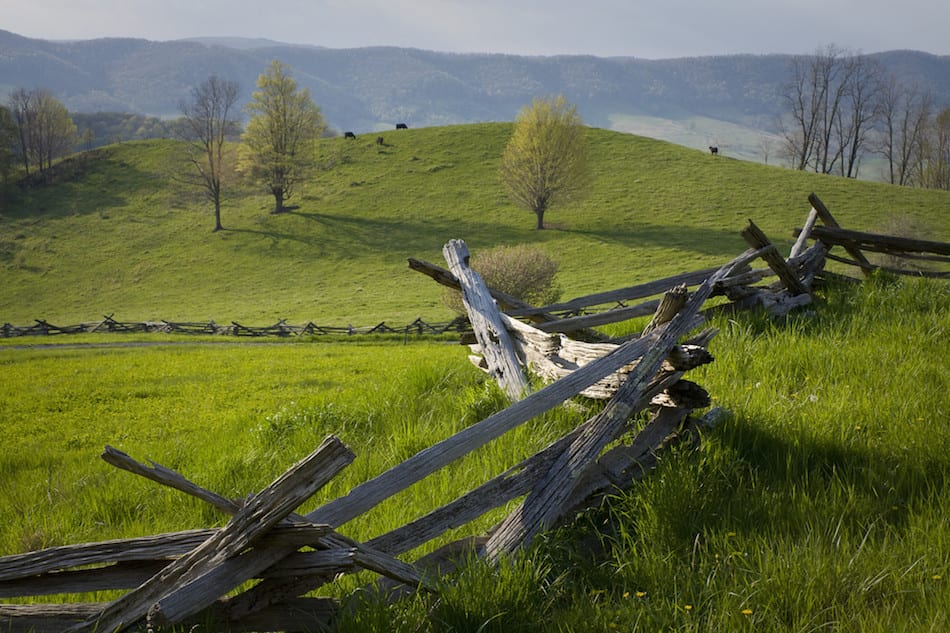
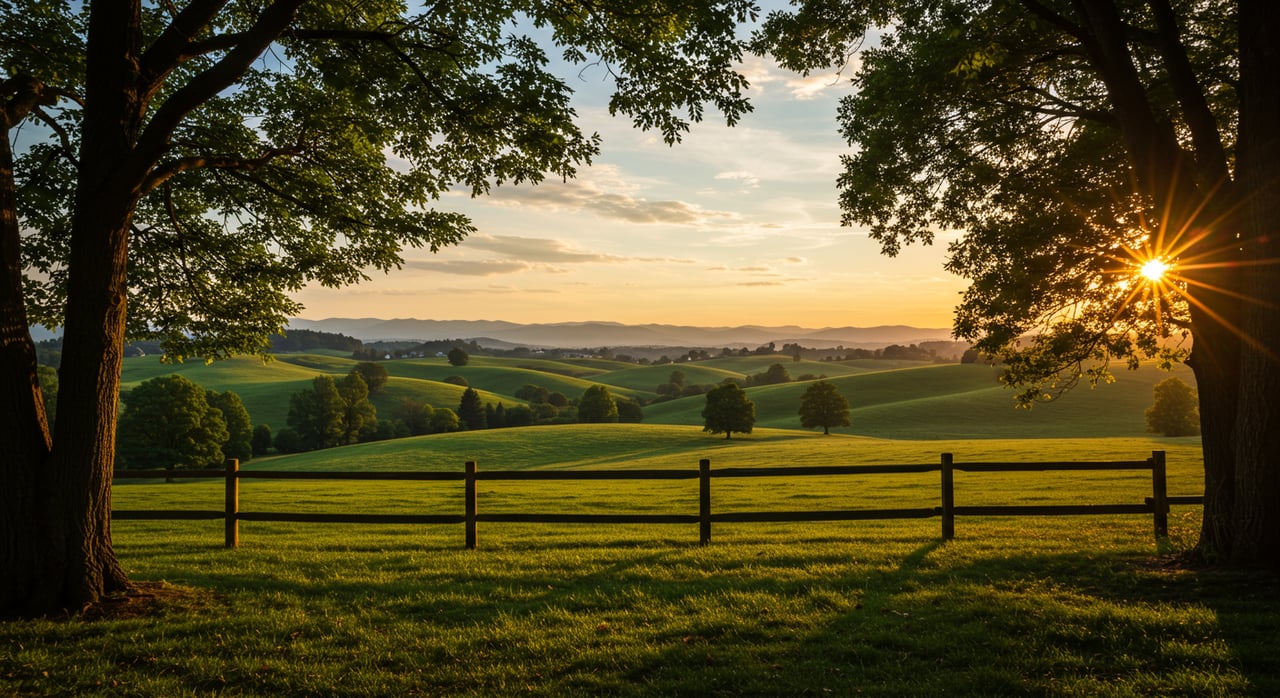
None of this is about romance. It's a maintenance system. A 139-year-old hunt and a fox-hunting tradition that traces back to Virginia's colonial period both survive on the same fragile arrangement: landowners who choose, year after year, not to close their gates. Every open hayfield you drive past between Warrenton and Upperville that hasn't been subdivided is, in some small part, still open because somebody wanted it available for a Wednesday morning meet.
Sharing the Road With Them
None of this requires you to do anything except drive like the animals in front of you are, in fact, animals. Virginia law addresses riding on highways after dark, but the more useful guidance for daylight encounters is just consistent common sense repeated by every horse safety group in the region: slow down well before you reach a horse and rider, give a full car's width of space when you pass, and never sound your horn. Horses are flight animals. A car horn at close range can turn a quiet passing into a genuine hazard for the rider and for you.
If you find yourself behind a field on a farm lane some September or October morning, the delay is temporary and the reason is specific: hounds are working a line, and the people asking you to wait a moment are the same people who keep that lane bordered by pasture instead of driveways.
That's the season you're actually watching. Not a costume drama staged for visitors, but a working arrangement between two old clubs and the landowners who still say yes, playing out three mornings a week from September to March, exactly as it has for well over a century.
If you're curious about the land itself, the farms, the fence lines, and what it takes to own a piece of the countryside these hunts still cross, Horse Farms & Country Homes knows this ground personally. Book an appointment when you're ready to talk about it.
This article is general information, not legal, tax or financial advice. Consult a qualified professional about your situation.